
Embracing the Tranquility of Japandi Style in Modern Bathroom Designs
Materials
- Wooden bath mat: 29.5 in x 17.5 in
- Neutral-colored bath towels: 100% cotton
- Matte black towel hooks: Set of 4
- Shoji screen room divider: 6-panel
- Small indoor plants: Succulents or bonsai
- Hinoki wood stool: 18 in height
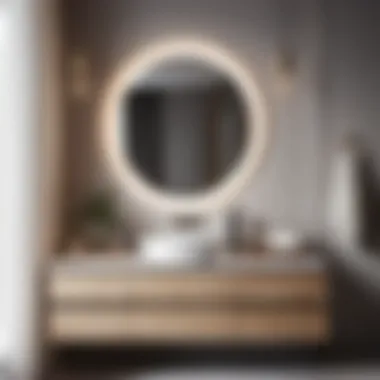
- Minimalist wall mirror: Frameless, 24 in diameter
DIY Steps
- Begin by decluttering your bathroom space and creating a clean canvas for the Japandi transformation. Remove unnecessary items and organize essentials neatly.
- Integrate natural elements like wooden accents, stone or pebble flooring, and greenery to bring the essence of nature indoors.
- Opt for neutral color schemes with white, beige, or soft grey tones to achieve a calming and harmonious atmosphere.
- Incorporate minimalist furniture pieces and storage solutions to enhance functionality without sacrificing aesthetics.
- Focus on lighting by maximizing natural light sources and adding warm, subtle lighting fixtures for a cozy ambiance.
Technical Aspects
- Tools required: Drill, screws, screwdriver, measuring tape
- Timing specifics: Allow 1-2 days for full bathroom transformation
- Critical techniques: Precision in measuring and positioning of furniture and decor elements for a balanced look
DIY Project Process
- Install the wooden bath mat for a spa-like feel and to prevent slipping after showers.
- Hang the towel hooks at varying heights to create visual interest and maximize space efficiency.
- Place the Shoji screen room divider strategically to section off areas or create privacy within the bathroom.
- Position small indoor plants on shelves or countertops to introduce refreshing green accents into the space.
- Place the Hinoki wood stool near the bathtub as a functional seat or decorative element.
- Mount the minimalist wall mirror to enhance natural light reflection and create the illusion of a larger space.
Troubleshooting Tips
- If the space feels too cluttered, reassess the placement of decor items and consider reducing unnecessary items.
- In case of uneven lighting, adjust the positioning of light fixtures or add additional sources to create a balanced effect.
Introduction
In the realm of contemporary interior design, the fusion of Japanese minimalism and Scandinavian functionality has given birth to the captivating Japandi style. This article serves as a comprehensive guide to understanding and embodying the essence of Japandi style within modern bathroom spaces. By delving into the core elements and design principles of Japandi bathrooms, readers are equipped with the knowledge and inspiration necessary to create tranquil, aesthetically pleasing environments that place emphasis on simplicity, natural elements, and efficient functionality.
Understanding Japandi Style
Origins of Japandi Design
The origins of Japandi design stem from the harmonious marriage of Japanese and Scandinavian influences. At its core, this design ethos encapsulates the Zen-like serenity of Japanese minimalism while embracing the practicality and warmth of Scandinavian interiors. The distinct allure of Origins of Japandi Design lies in its ability to seamlessly blend two seemingly contrasting styles into a cohesive and visually appealing aesthetic for modern bathrooms. By incorporating clean lines, uncluttered spaces, and a focus on nature, Origins of Japandi Design offers a timeless appeal that resonates with those seeking a harmonious balance between functionality and elegance.
Key Characteristics
Key Characteristics of Japandi design lie in its commitment to simplicity, functionality, and a deep reverence for natural elements. The fusion of Japanese minimalism emphasizes clean, uncluttered spaces, while the Scandinavian influence introduces warmth through the use of natural materials like wood, stone, and ceramic. The combination of these key characteristics results in a space that exudes a sense of calm and sophistication, making it a popular choice for modern bathroom design. With a focus on timeless design principles and an emphasis on creating tranquil atmospheres, Key Characteristics play a pivotal role in shaping the inviting and serene allure of Japandi bathrooms.
The Essence of Japandi in Bathroom Design
Minimalist Approach
The Minimalist Approach in Japandi bathroom design advocates for a decluttered environment that prioritizes essential elements and clean lines. By embracing simplicity in furnishings and décor choices, Minimalist Approach fosters a sense of tranquility and spaciousness in modern bathrooms. This design philosophy not only enhances visual appeal but also promotes a feeling of calmness and relaxation, making it an ideal choice for those seeking a minimalist yet sophisticated ambiance within their personal sanctuaries.

Natural Materials Integration
Natural Materials Integration lies at the heart of Japandi style, advocating for the use of earthly tones and textures to bring warmth and organic beauty to bathroom spaces. By incorporating materials such as wood, stone, and ceramic, Natural Materials Integration establishes a connection to nature within the interior environment. This integration not only enhances the visual appeal of the space but also provides a tactile experience that evokes a sense of serenity and harmony, creating a holistic and inviting atmosphere within Japandi bathrooms.
Functional Elements
Functional Elements in Japandi bathroom design are characterized by a blend of practicality and aesthetic appeal. From clever storage solutions to multipurpose fixtures, Functional Elements prioritize efficiency without compromising on style. By seamlessly integrating functional elements into the overall design scheme, Japandi bathrooms offer a space that is not only visually pleasing but also highly practical and conducive to everyday use. This focus on functionality ensures that every element within the bathroom serves a purpose, contributing to a harmonious and well-organized setting that promotes both relaxation and efficiency.
Importance of Lighting in Japandi Bathrooms
Natural Light Embrace
One of the fundamental aspects of Japandi bathrooms is the embrace of natural light as a primary source of illumination. Natural Light Embrace promotes an open and airy atmosphere within the space, enhancing the overall sense of tranquility and connection to the outdoors. By strategically incorporating windows, skylights, and reflective surfaces, this design approach maximizes the influx of natural light, creating a bright and uplifting ambiance that uplifts the mood and enhances the visual appeal of the bathroom.
Subdued Lighting Fixtures
Complementing the use of natural light, Subdued Lighting Fixtures in Japandi bathrooms play a crucial role in setting the mood and creating a sense of coziness. These fixtures, characterized by their understated and minimalist design, introduce soft, diffused light that adds warmth and depth to the space. By carefully selecting lighting fixtures that align with the Japandi aesthetic, homeowners can create a balanced lighting scheme that enhances the overall ambiance while maintaining the serene and harmonious atmosphere of the bathroom.
Color Palette and Materials
In this section, we delve into the crucial role of the color palette and materials in achieving the serene essence of Japandi style within modern bathrooms. The carefully selected color palette and materials play a vital part in setting the mood, enhancing the overall aesthetics, and creating a harmonious atmosphere that reflects the fusion of Japanese minimalism and Scandinavian functionality.
Neutral Tones and Textures
Earthy Colors
Earthy colors are the cornerstone of Japandi style, embodying a sense of warmth, tranquility, and connection to nature. The specific aspect of earthy colors lies in their ability to evoke a soothing ambiance while adding a grounding element to the space. Shades of beige, taupe, soft greys, and muted browns are prevalent choices that bring a sense of understated elegance and simplicity to the bathroom.
Earthy colors are a popular choice for Japandi bathrooms due to their ability to seamlessly blend with natural materials and minimalist furnishings, creating a cohesive and inviting environment. The key characteristic of earthy colors is their versatility, as they can easily adapt to various design elements and complement different textures, such as wood, stone, and ceramic. One unique feature of earthy colors is their capacity to evoke a sense of serenity and relaxation, making them ideal for promoting a spa-like ambiance in modern bathrooms.
Wood, Stone, and Ceramic
Wood, stone, and ceramic represent the quintessential materials that embody the essence of Japandi style. These natural elements not only infuse a sense of authenticity and organic beauty into the bathroom but also provide durability and timelessness. Wood brings warmth and texture, showcasing clean lines and a minimalist aesthetic that resonates with both Japanese and Scandinavian design principles. Stone, with its earthy appeal and unique veining patterns, adds a touch of luxury and sophistication, elevating the visual allure of the space. Ceramic, known for its versatility and ease of maintenance, offers a practical yet stylish option for surfaces and accents.
Wood, stone, and ceramic are beneficial choices for Japandi bathrooms as they harmonize effortlessly with neutral tones, exuding a sense of calmness and balance within the interior. Their unique feature lies in their ability to create a seamless connection between the bathroom and nature, promoting a sense of serenity and well-being. While each material has its advantages, such as durability, aesthetic appeal, and eco-friendliness, considerations about maintenance and suitability for wet areas should also be taken into account when incorporating them into the bathroom design. These materials not only enhance the visual appeal of the space but also contribute to a holistic and authentic Japandi-inspired setting.
Furniture and Fixtures
Furniture and fixtures play a pivotal role in embodying the essence of Japandi style within modern bathroom designs. In Japandi aesthetics, the furniture and fixtures are carefully chosen to reflect a blend of minimalist Japanese design and functional Scandinavian elements. The significance of selecting the right furniture and fixtures lies in their ability to create a harmonious and serene atmosphere.
When considering furniture and fixtures for Japandi bathrooms, it is essential to focus on clean lines and minimalist designs. These specific aspects contribute to the overall goal of achieving simplicity, functionality, and a clutter-free space. Clean lines exemplify the simplicity and orderliness that are characteristic of both Japanese and Scandinavian design philosophies. They help create a visually calming environment while promoting a sense of spaciousness within the bathroom area.
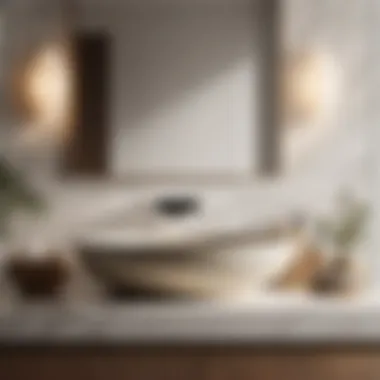
Multi-functional pieces are another crucial element when it comes to furnishing Japandi bathrooms. These pieces not only serve their primary purpose but also offer versatility and efficiency in small spaces. They align with the Japandi ethos of combining beauty with practicality, allowing homeowners to optimize their bathroom layout without sacrificing style. Incorporating multi-functional pieces enhances the functionality of the space while maintaining the minimalist aesthetic that defines the Japandi style.
Simplicity in Furnishing
Clean Lines and Minimalist Design
Clean lines and minimalist design are fundamental to the Japandi style, contributing significantly to the overall tranquility and minimalism sought after in modern bathrooms. The stark simplicity of clean lines minimizes visual clutter, creating an uncluttered environment conducive to relaxation. This design choice is popular in Japandi bathrooms due to its ability to evoke a sense of order and calmness, promoting a serene ambiance.
The key characteristic of clean lines and minimalist design is their ability to accentuate the beauty of natural materials and architectural elements. By using clean lines, bathroom fixtures and furniture can blend seamlessly with the overall space, enhancing the minimalist aesthetic desired in Japandi interiors. While clean lines offer an elegant and sophisticated look, they may sometimes lack the warmth and coziness of more ornate designs.
Multi-Functional Pieces
Multi-functional pieces are essential in furnishing Japandi bathrooms as they epitomize the practicality and versatility central to this design ethos. The key characteristic of multi-functional pieces lies in their ability to serve multiple purposes within a compact space, making them highly beneficial for small bathrooms. By incorporating multi-functional furniture and fixtures, homeowners can maximize storage and functionality without compromising the aesthetics of their bathroom.
One unique feature of multi-functional pieces is their adaptability to varying needs and preferences. For instance, a vanity with integrated storage or a foldable shower seat not only enhances the bathroom's efficiency but also caters to the evolving requirements of the residents. While multi-functional pieces optimize space utilization, they may sometimes lack the specialization or elaborate detailing found in single-purpose items.
Statement Bathtubs and Vanities
Organic Shapes
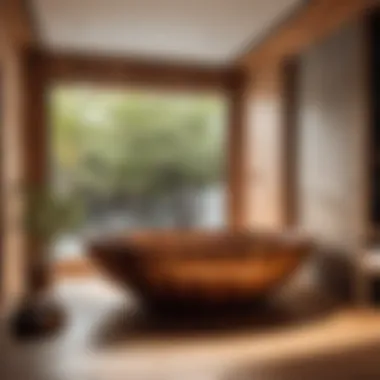
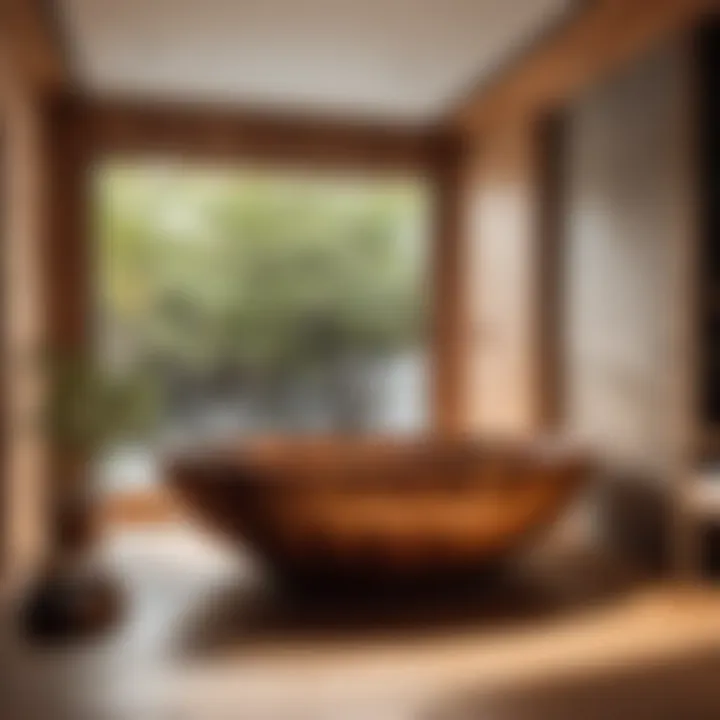
Organic shapes, when incorporated into statement bathtubs and vanities, add a touch of natural elegance and fluidity to Japandi bathrooms. These specific shapes contribute to the overall sense of tranquility and connection to nature within modern bathroom designs. Organic shapes are beneficial in Japandi bathrooms as they introduce a softness and curvature that contrasts with the clean lines typically associated with minimalism, creating visual interest.
The key characteristic of organic shapes is their ability to evoke a sense of comfort and relaxation due to their resemblance to natural forms found in the environment. By opting for bathtubs and vanities with organic shapes, homeowners can infuse a calming presence into their bathrooms, promoting a spa-like atmosphere. While organic shapes enhance the visual appeal and texture of the space, they may require more careful planning to integrate cohesively with other design elements.
Wood Accents
Wood accents serve as a warm and inviting addition to Japandi bathrooms, contributing a touch of natural texture and warmth to the overall design scheme. The incorporation of wood accents is a popular choice for homeowners seeking to introduce a sense of Scandinavian coziness and Japanese simplicity into their bathroom spaces. Wood accents are beneficial in Japandi bathrooms as they provide a visual contrast to the predominantly neutral color palette, adding depth and character to the room.
The key characteristic of wood accents is their ability to bring a tactile element and a connection to nature within the bathroom environment. By incorporating wood accents in statement bathtubs and vanities, homeowners can create a harmonious blend of natural and man-made materials, fostering a balanced and serene atmosphere. While wood accents offer a timeless appeal and organic feel, they may require regular maintenance to preserve their quality and appearance over time.
Finishing Touches and Decor
When it comes to creating a harmonious Japandi-style bathroom, the finishing touches and decor play a crucial role in bringing the entire design concept together. In this article, we dive deep into the significance of selecting the right elements that enhance the tranquility and aesthetic appeal of the space. From nature-inspired accents to subtle ornaments, every detail contributes to the core essence of Japandi design.
Nature-inspired Accents
Nature-inspired accents are fundamental in Japandi bathrooms, as they bring in elements of the natural world to create a serene environment. Let's explore two key aspects of nature-inspired accents that elevate the overall design:
Plant Life
Incorporating plant life into the bathroom not only adds a touch of greenery but also contributes to air purification and a sense of calmness. The lush green of indoor plants complements the neutral color palette of Japandi design, creating a harmonious balance between nature and minimalism. Consider species like peace lilies or snake plants that thrive in low light conditions, perfect for bathrooms. The soft curves and organic shapes of plants add a contrasting texture to the straight lines of furniture and fixtures, enhancing visual interest.
Natural Textiles
Natural textiles such as cotton bath linens and bamboo towels bring a tactile element to the bathroom, promoting a sense of comfort and luxury. The use of natural fabrics like linen curtains or a wooden bath mat adds warmth to the cool aesthetic of Japandi design. These materials also echo the sustainable ethos of Japandi style, as they are eco-friendly and biodegradable. Opting for soft, earthy tones in textiles enhances the overall calming atmosphere of the space.
Subtle Ornaments and Artwork
In the realm of Japandi bathrooms, subtle ornaments and artwork offer a layer of personalization and cultural influence. Let's delve into the realm of each aspect:
Japanese-inspired Art
Integrating Japanese-inspired art pieces like traditional ink wash paintings or ceramic pottery adds a touch of cultural heritage to the space. These artworks often feature motifs from nature or geometric patterns that harmonize with the minimalist aesthetic of Japandi design. The intricate details and craftsmanship in Japanese art pieces serve as focal points in the bathroom, drawing the eye and creating a sense of contemplation.
Scandinavian Minimalism
Scandinavian minimalism in artwork involves clean lines, muted colors, and a focus on simplicity. Pieces like abstract prints or wooden sculptures embody the essence of Scandinavian design principles, emphasizing functionality and elegance. The inclusion of Scandinavian-inspired art in a Japandi bathroom blends the practicality of Scandinavian design with the tranquility of Japanese minimalism, culminating in a space that is both visually appealing and purposeful.
Maintenance and Practical Considerations
In navigating the realm of Japandi style in modern bathrooms, one cannot overlook the critical aspect of maintenance and practical considerations. These elements play a pivotal role in ensuring that the harmonious fusion of Japanese minimalism and Scandinavian functionality is not only aesthetically pleasing but also sustainable and efficient for everyday use.
When embracing Japandi design principles, selecting sustainable and easy-to-clean solutions becomes paramount. By opting for environmentally friendly products, homeowners can contribute to a greener environment while also enjoying the benefits of non-toxic materials that promote a healthier living space. These products prioritize sustainability without compromising on quality or style, making them an ideal choice for the eco-conscious consumer.
Efficient storage options are another key consideration in Japandi bathrooms. Incorporating clever storage solutions that are both functional and aesthetically pleasing is essential in maintaining the minimalist and clutter-free aesthetic of this design style. From integrated cabinets to hidden storage compartments, efficient storage options maximize space usage while keeping the bathroom organized and serene.
Sustainable and Easy-to-Clean Solutions
Environmentally Friendly Products
Environmentally friendly products are at the core of sustainable bathroom design in Japandi style. The emphasis on using materials that are eco-friendly and non-toxic aligns with the overarching goal of creating a space that respects nature and promotes well-being. These products, ranging from organic cleaning agents to recyclable bath accessories, offer homeowners the opportunity to reduce their environmental footprint without compromising on style or functionality. Their unique feature lies in their ability to provide a safe and healthy environment while enhancing the overall aesthetics of the bathroom.
Efficient Storage Options
Efficient storage options are instrumental in maximizing the functionality and visual appeal of a Japandi bathroom. By integrating smart storage solutions such as built-in shelving, concealed cabinets, and multi-functional furniture pieces, homeowners can optimize space usage and maintain a clutter-free environment. The key characteristic of efficient storage options is their seamless integration into the overall design, blending practicality with aesthetic coherence. Despite their advantages in enhancing organization and cleanliness, it is important to carefully evaluate the size and placement of storage units to ensure they complement the minimalist ethos of Japandi design.
Creating a Tranquil Atmosphere
Amidst the serenity of Japandi style, creating a tranquil atmosphere in modern bathrooms is a fundamental aspect that caters to both relaxation and functionality. This section delves into two key components—clutter-free spaces and a relaxing ambiance—that are essential in fostering a soothing and peaceful environment within the confines of a Japandi-inspired bathroom.
Clutter-Free Spaces
A core tenet of Japandi design, clutter-free spaces embody the principle of simplicity and minimalism to promote visual clarity and a sense of orderliness. The inclusion of hidden storage, dual-purpose furnishings, and strategic organization systems allows homeowners to maintain a clean and uncluttered bathroom environment effortlessly. The key characteristic of clutter-free spaces lies in their ability to combine functionality with aesthetics, offering a streamlined and elegant look that enhances the overall tranquility of the space.
Relaxing Ambiance
A relaxing ambiance plays a pivotal role in elevating the tranquility of a Japandi bathroom, creating a retreat-like atmosphere that encourages relaxation and rejuvenation. Incorporating elements such as dimmable lighting, natural scents, and soft textures enhances the sensory experience within the space, evoking a sense of calm and well-being. The unique feature of a relaxing ambiance lies in its ability to transform the bathroom into a sanctuary where homeowners can unwind and escape the stresses of the day. While its advantages include promoting mental wellness and fostering a peaceful environment, it is essential to strike a balance between ambient lighting and tactile elements to achieve the desired atmosphere in a Japandi-style bathroom.