Maximizing Space with Freestanding Shelves in Bathrooms
Intro
When faced with a small bathroom, optimizing space can seem like an uphill battle. However, one of the most versatile and stylish solutions is the use of freestanding shelves. These clever additions not only offer abundant storage capacity but also allow you to showcase personal touches through decor. In this article, we will explore how to transform your compact bathroom using freestanding shelves, making it both practical and visually appealing.
Ready to dive in? Let’s start with the essentials for your DIY project.
Materials:
To kick off, let's gather the materials needed for crafting your freestanding shelves. It’s crucial to measure your space first, ensuring that the shelves fit without overwhelming the room. Below is a list of materials you will need:
- Plywood (3/4 inch thick): 2 pieces measuring 36" x 24" (for the shelves)
- Wooden dowels: 8 pieces measuring 1" x 36" (for support)
- Brackets: 4 L-shaped brackets to reinforce corners
- Screws: 1.5-inch wood screws for assembly
- Wood glue: for extra stability
- Sandpaper: medium and fine grit for smoothing edges
- Paint or stain: optional, for finishing touches
- Varnish: clear finish to protect the wood
- Level: to ensure everything is even
DIY Steps:
Step 1: Planning and Design
Start with measuring your bathroom’s dimensions, noting any plumbing fixtures or electrical outlets that could interfere with shelf placement. Sketch a design that respects these constraints and enhances the room’s flow.
Step 2: Cutting the Wood
With a saw, cut the plywood into the desired shelf dimensions, preparing for the installation of supports. If you're unsure of the cutting process, consider asking for assistance at your local hardware store.
Step 3: Sanding
Use medium-grit sandpaper first to smooth out rough edges, then finish with fine-grit sandpaper. This ensures a smooth touch and prepares the surface for painting or staining.
Step 4: Assemble the Frame
Start assembling the frame by joining the wooden dowels using wood glue and screws for a sturdy connection. Attach the brackets at the corners to add additional support. Make sure everything is level before moving on.
Step 5: Install Shelves
Once the frame is solid, place the shelves atop the supports and secure them with screws. For a seamless look, consider using paint or stain that complements your bathroom decor.
Step 6: Finishing Touches
Apply a clear varnish to protect the wood and give it a polished look. Allow it to dry completely before placing any items on the shelves.
Technical Aspects:
Here, we outline key tools and techniques to elevate your DIY shelf project:
- Tools Needed:
- Timing: Allocate about 4-6 hours for the entire process from measuring to installation, including drying time.
- Critical Techniques:
- Saw (manual or electric)
- Drill
- Screwdriver
- Measuring tape
- Level
- Always double-check measurements before cutting to avoid waste.
- Use wood glue in conjunction with screws for enhanced stability.
Troubleshooting Tips:
Common hiccups can occur during your DIY project, but they can usually be fixed with these solutions:
- If shelves wobble: Check the level; often, an adjustment with shims can solve the problem.
- Inconsistent paint or stain: Test a small area first to find the right hue.
With these steps and tips, you are well on your way to maximizing your small bathroom space with freestanding shelves. Not only will you gain functional storage, but you'll also create a personalized aesthetic that reflects your style.
Understanding the Importance of Space Management
In small bathrooms, space management plays a pivotal role. Every square inch counts and having a well-thought-out strategy can make all the difference between a cluttered mess and a serene retreat. Efficient space management is not just about cramming in as much storage as possible; it’s about creating an environment that feels open, organized, and functional. In this article, we’ll explore how freestanding shelves contribute to maximizing space in these compact areas.
Utilizing space effectively enhances the functionality of your bathroom while also elevating its aesthetic appeal. Freestanding shelves offer a unique solution by providing additional storage without the need for extensive renovations or structural changes. Not only do they house toiletries, towels, and décor, but they also allow for personalization, turning a utilitarian space into a charming oasis.
Analyzing Bathroom Dimensions
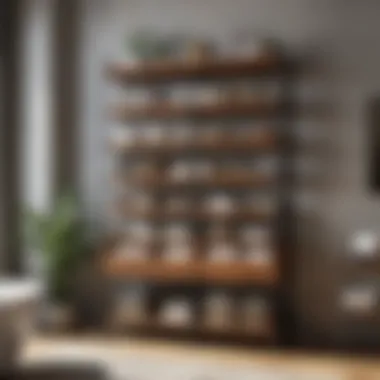
The first step in space management involves understanding the layout and dimensions of your bathroom. Measure the key areas including floor space, wall height, and any existing fixtures. This might seem like a daunting task, but it’s critical for effective planning. Consider the following:
- Height and Width: Note down the height between the floor and ceiling and the width of various sections. This will help determine the size of the shelves you can incorporate.
- Obstructions: Identify where windows, plumbing, and other fixed elements are located. Shelves shouldn’t block access to these.
- Flow of Movement: Consider how you move within your bathroom. Shelves must not obstruct walkways or make the space feel cramped.
Once you have comprehensive measurements, you can begin to visualize how freestanding shelves will fit into your space. Using this information also helps in avoiding the common pitfall of buying pieces that are too large or mismatched.
Evaluating Existing Storage Solutions
Before rushing to purchase new shelving, take stock of what you currently have. Examine existing cabinets, drawers, and any storage solutions. Are they being used effectively? Here’s a quick guide to evaluate:
- Capacity: How much do these solutions hold? Are they overstuffed or comfortably accommodating items?
- Accessibility: Are the items easy to reach? If you have to dig through a stack of products, you might be wasting valuable time.
- Clutter Factor: Is there unnecessary clutter taking up usable space? Sometimes less is more, and evaluating whether some items can be removed can free up significant room.
- Functionality: Can existing storage adapt? For instance, if a drawer is simply a catch-all, replacing it with a neatly organized shelf might improve overall function.
Freestanding Shelves: An Overview
Freestanding shelves can drastically shift the landscape of a small bathroom, transforming it from a cluttered space to one that radiates order and style. These versatile pieces are not just about storage; they provide an opportunity to infuse personality into often utilitarian environments. By considering the various forms they can take, house owners can find solutions that align with their needs, aesthetic preferences, and the specific challenges small bathrooms present.
Defining Freestanding Shelves
Freestanding shelves are standalone storage units that do not necessitate installation into walls or existing structures. This characteristic alone sets them apart from built-in shelving, allowing for more flexibility and ease of rearrangement. Typically constructed from materials such as wood, metal, or composite materials, they come in a plethora of styles, sizes, and finishes. For example, a sleek metal shelf can punctuate a contemporary space with an industrial vibe, while a rustic wooden unit may add warmth and charm.
The design of freestanding shelves can range from minimalist to ornate, catering to various decor styles. It’s crucial to choose a model that complements your space while keeping functionality front and center. In practice, this might mean selecting a taller unit for vertical space usage or a wider one that can hold towels and toiletries comfortably.
Extra features are also a factor to consider. Open shelving increases accessibility but may expose items to dust or clutter visibility. Conversely, shelves with enclosed sections can hide away unsightly bathroom essentials but require more effort for easy access.
Comparative Analysis with Built-in Options
When weighing freestanding shelves against built-in options, several considerations come into play. Built-in shelving is often seen as a permanent fixture, potentially enhancing the perceived value of the home. However, they may limit flexibility, as they can't be moved or adjusted easily. Once installed, making changes can involve significant time and expense.
“Freestanding shelves offer the perfect blend of style and adaptability. They can evolve as your needs change.”
In contrast, freestanding shelves can be moved or reconfigured almost at will, giving users the power to shift their space according to need or even mood. This adaptability is particularly useful in smaller bathrooms, where the layout can make it challenging to find the right balance between style and practicality.
Here’s a quick comparison to consider:
- Flexibility: Freestanding shelves can be repositioned, while built-ins are fixed.
- Cost: Freestanding units can often be more budget-friendly since they do not require construction or installation costs.
- Aesthetics: Built-ins may appear more seamless, creating an integrated look, while freestanding options can add character and charm.
Ultimately, the choice between freestanding and built-in shelving comes down to the homeowner's priorities. If maximizing storage while maintaining flexibility in design is the goal, freestanding shelves hold significant merit. They can elevate a small bathroom's functionality without sacrificing style, potentially enriching the experience of daily routines.
Design Considerations for Small Bathrooms
When dealing with small bathrooms, it's essential to get everything right from the start. Design Considerations for Small Bathrooms is a crucial aspect of this task since every decision impacts functionality and aesthetics alike. Balancing these two can seem daunting, but it's a rewarding endeavor. In small spaces, a thoughtful design can not only make the room feel larger but also provide a sanctuary-like atmosphere for relaxation and self-care. Here, we delve into various elements that can elevate the appeal and utility of freestanding shelves while considering limited space.
Balancing Aesthetics and Functionality
Striking a balance between aesthetics and functionality is often the crux of bathroom design. While a beautiful shelf can entice the eye, if it doesn't serve a purpose, it's simply unnecessary clutter. Often, freestanding shelves can enhance the overall look when selected with intention.
- Assess Your Needs: Begin by evaluating your storage needs. Ask yourself what items you wish to showcase and which need easy access. Organizing essentials like towels, toiletries, or decorative items can help highlight the shelf's role.
- Design Elements: Consider using open shelving for decor and closed storage for more personal items. This two-pronged approach lets you play with colors and textures, giving flair to the space while ensuring order is maintained.
- Scale: Choose shelving that fits the scale of your bathroom. A massive shelf in a tiny area can feel like an elephant in the room. Instead, opt for something scaled appropriately, which can help create visual harmony.
By marrying beauty with practical use, you can create a space that not only looks good on Instagram but is functional too.
Color Schemes and Visual Coordination
Color plays a subtle yet powerful role in perception. In a small bathroom, the right color can create an illusion of space, depth, and light. Here’s how to guide your choices:
- Light Colors: Soft hues like pale blue or light gray can open up the area, while white reflects light, making everything feel airy. Choosing a freestanding shelf in a similar light palette encourages flow in design, avoiding a boxy feel.
- Bold Accents: Don't shy away from adding bold colors, either! A pop of color can create focal points, drawing attention to your shelves as visual highlights rather than just utility.
- Textural Cohesion: Ensure that the color scheme complements other design elements in your bathroom. For instance, if your tiles are a warm beige, a matching wooden shelf can add warmth. This visual coordination prevents the space from feeling disjointed.
Selecting an appropriate color scheme generates a cohesive feel that can simplify the decision-making process with regard to accessories or additional decor.
Materials: Durability Versus Style
The choice of materials for freestanding shelves in a small bathroom must prioritize both durability and style.
- Water-resistant Choices: Considering the bathroom’s steamy environment, materials like stainless steel or treated wood can withstand moisture, prolonging the shelf's life. This is particularly important for bathrooms that see high humidity levels.
- Style Alignment: Match materials to your bathroom decor—for example, if you have a modern aesthetic, sleek materials like glass or metal can enhance that theme. In contrast, a farmhouse style might benefit from rustic wood or distressed finishes.
- Maintenance: Analyze how much upkeep you're willing to put into your shelves. Some materials may require specific cleaning methods, while others are grab-and-go easy. Making the right choice here will ensure you maximize usage without frequent touch-ups.
Choosing the right materials can protect your investment and align with your bathroom’s narrative, allowing you to enjoy the benefits without compromise.
In summary, the careful consideration of design elements in small bathrooms, specifically freestanding shelves, can transform functionality into beauty, ensuring each element serves both purpose and aesthetic intent.
Optimal Placement Strategies
When it comes to small bathrooms, every square inch counts. Freestanding shelves offer not just a practical storage solution, but they also allow flexibility in design and style. Tackling the placement of these shelves is crucial because the right location can transform clutter into organized elegance. One must consider visibility, accessibility, and aesthetics. Space optimization isn’t merely about stuffing items into corners; it’s about creating harmony and flow within the limited space available.
Choosing the Right Location
Finding the perfect spot for freestanding shelves starts with a keen eye. Identify areas in your bathroom that may otherwise remain wasted or neglected. Look around; can you spot an awkward gap or an empty wall? That’s your opportunity.
- Near the Sink: Consider placing a small shelf near the sink for easy access to toiletries or daily essentials. It’s a handy spot that serves both function and flair.
- Opposite the Toilet: If space allows, a shelf across from the toilet can provide room for extra towels, magazines or decorative plants. This arrangement turns an otherwise drab wall into a functional centerpiece.
- Unused Corners: Corners accumulate dust and despair, but they can be your best friends. Think about l-shaped or corner shelves that fit snugly, making use of what might seem to be an inconvenient space.
Incorporating Shelves into Nooks and Corners
Utilizing nooks and corners might sound straightforward, but creative integration can elevate your bathroom aesthetics significantly. Shelves in these areas don’t just fill gaps; they reinvent how we interact with space.
- Ladder-style Shelves: These can fit beautifully into narrow nooks. They lend a casual, rustic vibe while being practical.
- Round Shelves: For corners, circular or semi-circular shelves can soften a sharp edge, providing a unique flair. Plus, they often take up less visual space while providing ample display room.
- Floating Shelves: If there’s a ceiling-high nook, floating shelves can draw the eye upward, creating an illusion of height and spaciousness.
A crucial tip is to ensure that items stored on these shelves are easily reachable. If you're storing extra towels or decorative items, avoid placing them too high; you want functionality along with style.
Stacking and Tiered Configurations
Think about how you can maximize vertical space with stacking and tiered configurations. This can be a game-changer in tiny rooms. Not all shelves need to be large to be effective; stacking smaller units can provide a dynamic design while maintaining organizational efficiency.
- Vertical Stacking: Arranging like items vertically not only saves space but it also creates a streamlined look. Keep all your skin care products on one stack, while your towels can occupy another.
- Tiered Displays: Consider using tiered shelves for plants or decorative items. This draws the eye and creates visual interest without overwhelming the aesthetic. You can highlight your favorite towels or scents in a visually striking manner.
- Mix Heights and Sizes: By varying the heights and sizes of items displayed, you can avoid a monotonous look. Perhaps a large basket for rolled towels at the bottom, with a few smaller decorative boxes above it can balance the layout.
"Effective use of space transforms a cramped area into an inviting sanctuary, offering both functionality and relaxation."
Resources for Customization
When it comes to maximizing the utility of freestanding shelves in small bathrooms, customization stands out as a vital aspect. Customizing your storage solution allows you to tailor it not just to your space, but also to your unique needs, preferences, and style. This flexibility can significantly enhance both the functionality and aesthetic appeal of your bathroom, transforming a cramped space into a well-organized haven.
Considerations for customization include both the physical dimensions of your shelves and the types of items you'll be storing. Not all bathroom items fit neatly on standard shelving, so thinking outside the box is key. Whether it's your stacks of towels, skincare products, or decorative items, custom solutions can cater to specific dimensions and weight requirements. This kind of consideration ensures that what you decide to place on your shelves is not just fit aesthetically, but is also practical in use and placement.
"Customization is not just about making things pretty; it's about enhancing everyday functionality."
Additionally, exploring different resources can help expand your options. Online platforms such as Pinterest or Reddit can provide inspiration and community feedback on shelving projects. Moreover, engaging in local DIY workshops or visiting stores with a variety of shelving materials can ignite creativity, allowing you to see firsthand what works best in your space.
In sum, having the right resources for customization ensures that you can take full control of your bathroom's aesthetics and functionality. Let's dive deeper into how you can achieve this with both DIY and pre-made options.
DIY Options for Tailored Storage
Taking a do-it-yourself approach to tailor your storage solutions can be a very rewarding venture. Not only does it allow for a personal touch, but it can also be cost-effective. DIYing your freestanding shelves means you get to choose every element—size, color, material, and design—that fits perfectly with your bathroom's existing decor. Here are some avenues you might explore:
- Repurposing Furniture: Old bookcases or ladders can be transformed into stylish bathroom shelves. A vintage ladder, for instance, can provide an interesting vertical element while accommodating towels and baskets for toiletries.
- Customized Size: You can easily cut wood to your preferred heights and widths. This precision means you'll be able to fit shelves into odd spots or compact areas that premade options just won’t suit.
- Staining and Painting: The world of paint and stain can make a world of difference. A fresh coat can turn a plain shelf into a striking focal point. Consider using waterproof paints or sealants to enhance durability.
By employing these methods, you cultivate a deeper connection to your home while ensuring that your storage is both functional and beautiful. DIY allows for creativity and personal expression, bridging practical needs with style.
Pre-made Options to Save Time
For those who perhaps aren’t quite the DIY type, pre-made options can be a lifesaver. There's certainly no shame in seeking something that conforms easily to your bathroom without the elbow grease. Thankfully, the market is awash with various pre-made shelving solutions designed specifically for small spaces. Here’s what to consider:
- Space-Saving Designs: Many manufacturers create shelves that are specifically designed to maximize corners or vertical space. Look for tiered shelves that can hold various items while using minimal space.
- Material Selection: Opt for materials that withstand the humidity of a bathroom, such as treated wood or metal. Options like bamboo offer a trendy touch while remaining durable.
- Modular Units: Some pre-made shelves come in modular forms, allowing you to mix and match according to your ever-changing needs.
While DIY offers a custom touch, pre-made shelving solutions provide the convenience and ease that many house owners seek. The right choice depends on balancing personal flair with the practical reality of your daily routines.
Maintenance and Care of Freestanding Shelves
Maintaining freestanding shelves might seem like an afterthought, but it plays a crucial role in their longevity and functionality, especially in small bathrooms. These pieces of furniture not only hold your essentials but also contribute to the overall design of your space. Thus, proper care ensures they remain not just practical but also visually appealing. The right maintenance can save you money in the long run, keeping these shelves looking fresh and new while avoiding costly replacements.
Cleaning Tips for Different Materials
Different materials require unique approaches when it comes to cleaning. Here are some specific tips for the most common types of shelves:
- Wooden Shelves: Opt for a soft microfiber cloth to wipe away dust. For deeper cleaning, mix a few drops of mild dish soap with warm water. Dampen the cloth and wipe gently, always following up with a dry cloth to prevent moisture damage.
- Metal Shelves: These are often low maintenance. A damp cloth works wonders here too. If there are stubborn stains, a drop of vinegar can help lift grime. Always dry them thoroughly to avoid rusting.
- Glass Shelves: Use glass cleaner for a streak-free shine. A simple mix of water and vinegar in a spray bottle can serve as an effective alternative.
- Plastic or Synthetic Shelves: Generally easier to clean, you can use soapy water or a diluted all-purpose cleaner. However, avoid using harsh chemicals as they can scratch or dull the surface.
"Proper maintenance extends the life of your freestanding shelves while ensuring your bathroom remains organized and stylish."
Preventing Damage in Humid Environments
The bathroom, with its steam from showers and baths, can be tough on materials. Here are a few practical tips to safeguard your freestanding shelves:
- Location Matters: Position the shelves away from direct sources of moisture, like the shower or bath. A few extra inches can make a world of difference in preventing water damage.
- Use Sealants: For wooden shelves, consider applying a water-resistant sealant. This can help protect against warping and swelling due to humidity.
- Ventilation is Key: Ensure your bathroom has proper ventilation. An exhaust fan can do wonders in keeping humidity levels in check.
- Regular Inspections: Keep an eye on any signs of mold or mildew. If found, act swiftly with a diluted bleach solution for cleaning and then dry immediately to prevent return.
By integrating these maintenance practices into your routine, you can enhance the durability and visual appeal of your freestanding shelves. Each cleaning task not only keeps your space orderly but also ensures that every nook and cranny of your bathroom remains a source of pride.
Common Challenges and Solutions
When it comes to small bathrooms, getting the most out of every square inch is critical. While freestanding shelves can greatly enhance storage potential and contribute to a more organized space, they can also bring about certain challenges. Recognizing these issues and brainstorming practical solutions is what makes the difference between a beautifully utilized bathroom and a chaotic cluster. This section dives into the most common hurdles you might face when using freestanding shelves in a compact area and how to tackle them effectively.
Addressing Stability and Safety Concerns
Stability might not sound like a big deal until you find your carefully arranged items scattered on the floor. In tight bathrooms, where floors can be slippery or uneven, ensuring that your freestanding shelves don't topple over is paramount. You can take several steps to enhance stability.
- Weight Distribution: Make sure to evenly distribute weight across the shelves. Avoid piling heavy items on top or on one side. This plays a major role in keeping everything balanced.
- Anti-tip Devices: For peace of mind, consider using anti-tip brackets. These are particularly helpful for taller shelves, keeping them anchored to the wall and preventing accidents.
- Solid Base: Choose shelves with wide bases. A broader stance will help resist sway and unintentional nudges.
By paying attention to these details, you can have a sleek yet safe shelving option in your bathroom without constant worries.
Maximizing Space Without Clutter
A well-organized bathroom shouldn’t feel like a game of Tetris. It’s essential to maximize space in a way that doesn’t overwhelm the senses or create visual clutter. Here are a few key tips:
- Selective Display: Be mindful of what you display on your shelves. Choose only the items you use regularly or love to see. Storing lesser-used products in hidden compartments can help simplify the look.
- Baskets and Containers: Utilize baskets or decorative boxes within the shelving. These can corral items and add an aesthetic touch while maintaining order. Plus, they’re easy to pull out when you need something quickly.
- Vertical Space Usage: Don’t overlook height. Use multi-tiered shelving solutions that draw the eye upward. This creates the illusion of a larger space without crowding the floor.
- Rotating Items: Occasionally, rotate the items on display to keep things fresh. This makes you feel like your bathroom gets a little upgrade, without needing additional purchases.
In the serendipitous dance of balancing style with functionality, these methods could make the difference between a serene retreat and a chaotic space.
"In small spaces, a little organization goes a long way towards a feeling of tranquility."
Ultimately, understanding and preparing for both stability and spatial concerns can make freestanding shelves a joy instead of a burden in any small bathroom. Keep these challenges in mind, and you’ll be well on your way to creating an oasis of order from chaos.
Trends in Bathroom Shelving
In today's fast-paced world, where space is often at a premium, the evolution of bathroom shelving has taken on a whole new meaning. Maximizing space while incorporating aesthetics has become essential. Homeowners are increasingly looking at freestanding shelves not just as storage, but as a means to express personal style and improve functionality. This section delves into the latest trends shaping this dynamic landscape.
Minimalist Designs for Modern Spaces
Minimalism is more than just a trendy design; it's a lifestyle that resonates with many households today. The clean lines and uncluttered look of minimalist designs lend themselves well to small bathrooms, where every inch counts. Freestanding shelves in a minimalist style allow for the visual clarity that creates an illusion of spaciousness.
- Soft Colors: Utilizing soft shades like whites, beiges, or light pastels can brighten the room, making tiny spaces appear larger.
- Simple Shapes: Opt for shelves with geometric shapes. Their uncomplicated design eliminates visual clutter, which is particularly beneficial in a confined area like a bathroom.
Incorporating these simplistic elements not only improves functional storage but also enhances the overall ambiance of the bathroom, making it feel more open and inviting.
Eco-friendly Materials Gaining Popularity
As environmental concerns become more pressing, eco-friendly materials are steadily making their mark on bathroom design. Homeowners are increasingly prioritizing sustainability, opting for shelves made from reclaimed wood, bamboo, or recycled materials.
- Reclaimed Wood: Using salvaged timber not only adds character to your decor but also supports sustainable practices.
- Bamboo: Known for its rapid growth and renewability, bamboo shelves are lightweight yet durable, providing a great alternative to traditional wood.
- Recycled Metal: This material comes in various finishes, adding an industrial touch to the bathroom while maintaining eco-friendliness.
"Going green doesn't mean compromising on style; it can really elevate the aesthetic of your space while being environmentally responsible."
People are more inclined to spend on these sustainable options as awareness about ecological footprints grows. Incorporating these materials in bathroom shelving is not just a sound choice for the earth, but they also reflect a thoughtful, modern approach to home design.
Overall, trends in bathroom shelving emphasize a blend of style and utility, making the most of limited space while incorporating values such as sustainability and minimalism. As you navigate the means to redesign your bathroom, these trends might inspire a fresh perspective on how to approach space management in small areas.