Revitalizing Your Fifth Wheel: Ultimate Bathroom Renovation Guide


Intro
Remodeling the bathroom of a fifth wheel presents unique challenges. Often, these spaces are compact and require careful planning. While the size may be limited, the potential for aesthetic and functional enhancement is not. This guide aims to provide thorough insights into transforming your fifth wheel bathroom into a stylish and efficient area. Whether you’re a DIY enthusiast or someone looking for professional help, this guide will assist you through every significant step of the process.
Materials:
A successful remodel begins with the correct materials. Choosing the right supplies not only affects the aesthetics but also the functionality of the space. Here’s a comprehensive list of DIY project materials complete with measurements tailored for a typical fifth wheel bathroom:
- Water-resistant plywood: 6 sheets, 3/4 inch thick
- Vinyl flooring tiles: 12 square feet, 12” x 12” tiles
- Moisture-resistant paint: 2 gallons
- Caulk (silicone): 1 standard tube
- Shower enclosure kit: 1 kit (typically 32” x 32”)
- New toilet: 1 standard height
- Vanity: 1 unit (30” wide)
- Sink: 1 under-mount or oval shape
- Faucets: Standard size for both sink and shower
- LED Lighting fixtures: 2-3 fixtures depending on placement
With a properly itemized list identified, you are prepared for the next stages of development.
DIY Steps:
It is essential that you follow each step carefully to ensure a smooth remodeling process. Here’s a detailed process you can follow:
Step 1: Planning and Design
Begin by creating your layout. Measure your bathroom precisely and draft a blueprint. Specify what features you want to keep and which need to be replaced or remodeled. Aim for maximum usage of vertical space to expand storage options.
Step 2: Preparing the Space
Before any actual remodel happens, the space must be cleared. Remove all fixtures, tiles, and cabinetry that is not permanent or needs upgrading. Give yourself a blank slate.
Step 3: Flooring Installation
Use adhesive to lay down your chosen vinyl flooring tiles. Take time to ensure each tile aligns properly to reduce seams. Let it set overnight before proceeding.
Step 4: Assembling Bathroom Components
Install the new shower enclosure first following the specific instructions provided by the manufacturer. Secure all sides properly. Next, mount the new toilet followed by the vanity and sink.
Step 5: Painting and Finishing Touches
Apply the moisture-resistant paint after allowing ample time for the stock items to cure. Don’t rush this part; dry lines ensure a more professional finish. Once the paint has dried, install faucets and lighting fixtures.
Technical Aspects:
Adding enhancements can elevate the quality of your remodel. Consider these tools and techniques:
- Tools Needed:
- Critical Techniques:
- Standard screwdriver
- Power drill with bits
- Tile cutter
- Leveling tool
- Measuring tape
- Putty knife
- Using a level can ensure cabinets and shelves are securely positioned.
- Allow adhesives proper setting time.
- Focus on waterproof seals around showers and sinks to prevent water damage.
Timing specifics will vary depending on how in-depth the project is. Typically, set aside a few days for the demolition and preparation, along with several additional days for installing new elements.
DIY project Process:
The sequential steps for a successful bathroom remodel include:
- Demo and Disposal: Ensure everything unnecessary is properly disposed of.
- Lift the Room Up: Carefully install the ceiling fixtures first.
- Wall and Floor Treatments: Gather pace with flooring followed by walls paint.
- Permanent Installations: Place toilets and cabinets only after ensuring everything is secure.
- Finishing Touches: Install small yet impactful details.
- Final Inspection: Once done, it is better to inspect or involve a professional to confirm quality.
Troubleshooting Tips:
Even in the best-laid plans, mistakes can happen. Here are a few common problems and solutions:
- Uneven Floor: Ensure that the subfloor is leveled before laying vinyl tiles.
- Fitting Issues: Always measure thrice before cutting any parts.
- Paint Chips: If they occur, minor touch-ups will almost always hide mistakes.
Ultimately, the remodeling of a fifth wheel bathroom can be accomplished with orderly steps, demanding some patience and creativity. Emphasizing functionality, beauty, and smart storage can yield positive experiences ultimately leading to satisfaction.
Understanding the Unique Challenges of Fifth Wheel Bathrooms
Remodeling a bathroom in a fifth wheel presents unique challenges that necessitate careful consideration. The compact size associated with fifth wheels translates to specific design and functionality issues that diverts from typical home bathrooms. Recognition of these challenges is the first step towards an effective remodeling journey. Understanding these constraints assists in making informed decisions that address, rather than ignore, the inherent limitations of the space.
Space Limitations
Fifth wheel bathrooms are characteristically small. Many owners struggle with a cramped environment that often limits not only movement but also design options. The primary challenge is to use existing space resourcefully.
Key factors to consider include:
- Size Efficiency: Every inch counts in a fifth wheel bathroom. Avoid bulky fixtures, and lean towards more streamlined ones.
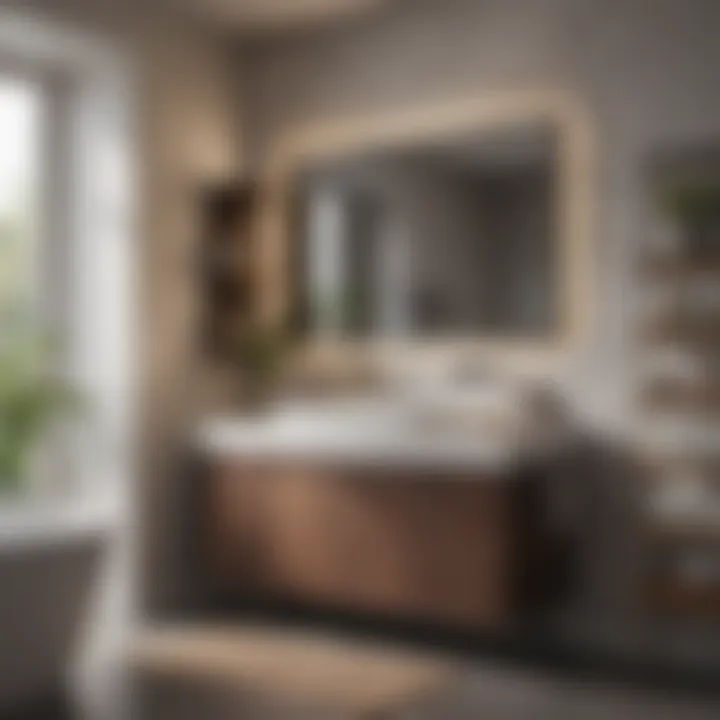
- Design Layout: A well-planned layout can maximize usability. Opt for corner sinks or wall-mounted vanities that increase free floor space.
- Minimalist Approach: Clutter can overwhelm smaller areas. Focus on essential items and practical storage that doesn’t obstruct pathways.
Utilizing smart design and multifunctional elements can vastly improve space management in a cramped bathroom.
Mobility Considerations
Mobility is a central concern in fifth wheel bathrooms, especially for those with specific needs. Ensuring the space remains both accessible and functional is paramount.
Key points to keep in mind include:
- Ease of Access: Entryways and turns should accommodate users without the risk of tripping.
- Bathroom Fixtures: Fixtures should be installed at suitable heights. Consider a toilet that is easier to utilize.
- Grab Bars and Supports: Depending on the user’s needs, grab bars may be essential features, contributing to user safety.
Planning mobility allows for a practical remodel that enhances user experience and accessibility.
Plumbing Constraints
Given the mobile nature of fifth wheel bathroom setups, plumbing presents a unique set of challenges. Understanding these constraints is essential to ensure durability and functionality.
Important considerations are:
- Water Lines and Drainage: Space accessible for plumbing maintenance should be factored in the design phase. Avoid installation over delicate plumbing lines.
- Alternative Solutions: Search for creative plumbing adjustments or fitting smaller, more flexible piping solutions to save space while maintaining function.
- Upkeep Considerations: Think ahead to how maintenance will be performed. It is beneficial to minimize hard to access plumbing connections.
Key takeaway: Effective standpoints on plumbing can lead to lower costs and reduce hassle in long-term scenarios.
Overall, addressing these challenges with targeted plans is critical when embarking on a remodeling project in a fifth wheel bathroom. Understanding space management, accessibility, and plumbing constraints equips homeowners and DIY enthusiasts with the vital tools they need to achieve success in this endeavor.
Planning Your Bathroom Remodel
Effective planning is the cornerstone of any successful bathroom remodel project. This is especially true for fifth wheel bathrooms, where the compact layout can greatly impact the usability and dent on your budget. Careful preparation ensures that you envision a space that satisfiess needs while steering clear of potential pitfalls. Here, we highlight the specific elements that make this planning phase critical.
Setting a Budget
Establishing a budget is vital at the outset. It not only provides a financial framework for your project but also affects all subsequent decisions regarding materials and design elements. To create a realistic budget, consider allocating funds across several categories:
- Materials: Look for options that balance quality with cost.
- Labor: If hiring professionals, estimate labor costs based on project size.
- Miscellaneous Expenses: Do not forget permits, taxes, and contingencies to bypass surprises during remodeling.
An initial breakdown could include:
- Materials: 40%
- Labor: 30%
- Contingencies: 20%
- Design Fees: 10%
By having a clearly defined budget, you ensure that your dream bathroom does not lead to financial strais which can foster regret.
Design Inspirations
Creativity plays a significant role in designing a functional and aesthetically pleasing space. Seek inspiration from various sources. These can range from interior design websites to Pinterest boards full of innovative ideas. Focus on the following:
- Maximalism vs. Minimalism: Consider your personal style. Will you opt for sleek lines or bold patterns?
- Functional Design: Look for designs that balance comfort with practicality. Furniture like floating vanities may save space while enhancing style.
- Color Palettes: Choose colors that evoke desired moods and feelings. Light shades can make the space feel larger.
Additionally, think about blending themes. Modern elements can coexist with rustic touches, like wood accents, which can make a fifth wheel bathroom distinct and inviting.
Creating a Functional Layout
Designing a functional layout is our most immediate concern when you aim to revitalize a fifth wheel bathroom. The key is to optimize every square inch of space. Factors to keep in mind include:
- Traffic Flow: Keep in mind movement patterns. Anything cramped is prone to a lack of usability.
- Zoning: Place similar functional components close to one another. The sink, shower, and storage should work together harmoniously.
- Accessibility: If your space will be shared or used frequently, ensure features are easy to use and this should cater all needs.
By focusing on these elements, your remodeled bathroom will not only be practical but also enhanced in function, aptly filling needs related to storage and comfort without unnecessary drilling.
Remember, a well-thought-out design brings satisfaction not just during the remodeling process, but for years of use ahead.
Choosing the Right Materials
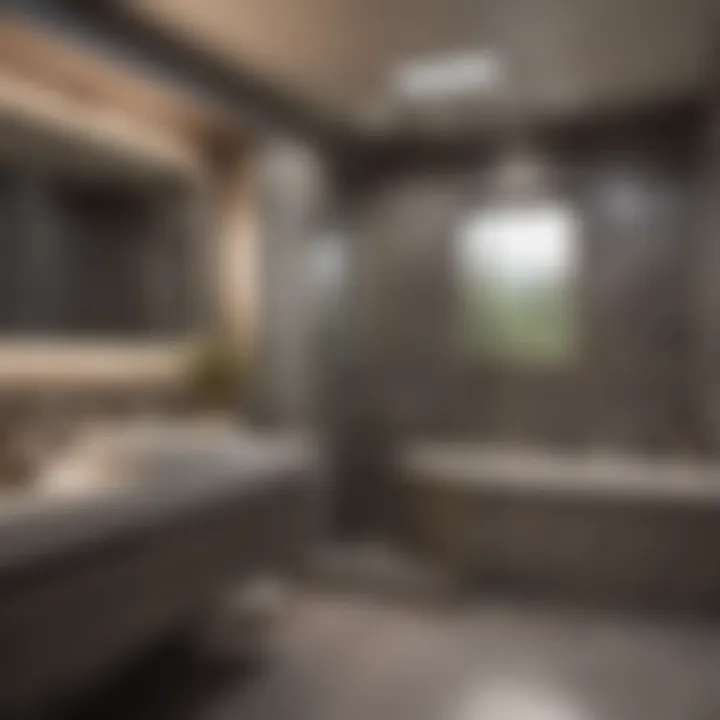
Choosing the right materials is crucial in the bathroom remodel of a fifth wheel. Morphing a compact area into a haven requires careful selection of every element and how they interact within the small space. Not only should the materials enhance the environment aesthetically, but they also need to stand up to common challenges such as moisture, weight constraints, and maintaining ease of access for future maintenance. The choice of materials impacts long-term durability, cost, and the overall functionality of the space. Thus, understanding the best materials available plays an essential role in your remodeling experience.
Water-Resistant Options
Water-resistant materials are vital in a bathroom setting. Bathrooms naturally face higher humidity and splashes of water. Thus, opting for water-resistant materials minimizes the risk of mold and structural damage. Common choices include ceramic tiles, glass, and certain varieties of vinyl flooring. Each offers unique benefits.
- Ceramic Tiles: Durable and easy to clean, they withstand extreme humid conditions.
- Vinyl Flooring: This is typically softer underfoot and can mimic hardwood or stone surfaces effectively.
- Glass Paneling: Ideal for shower enclosures, this resists water very well and adds a sleek look.
Considering bathrooms in a fifth wheel, lightweight options are also preferred as they alleviate issues during travel. So it is essential to ensure that chosen products are also easily installable without excessive weight. Investing in water-resistant materials ensures longevity, making regular upkeep easier.
Sustainable Choices
Sustainability is an increasingly important factor in bathroom remodeling. Eco-friendly materials not only reduce environmental impacts, but they also promote air quality in confined spaces. Bamboo for cabinetry, recycled glass for countertops, and non-toxic sealants are just a few sustainable options. These materials bring several benefits:
- Durability: Many sustainable products boast high durability, ensuring they stand the test of time.
- Health Benefits: Sustainable materials often have less volatile organic compounds (VOCs), improving indoor air quality.
- Aesthetic Variety: Eco-friendly materials come in various styles and colors, offering beautiful options that maintain durability.
Overall, embracing sustainable materials in your fifth-wheel remodeling contributes not only to the environment but also fosters a healthier living space. Consider how these options align with your values and daily use for maximized benefit.
Accenting with Fixtures
Fixtures can eloquently accompany the materials in creating an optimized fifth wheel bathroom. They can add sophistication while serving functional roles. Choices are abundant, from faucets to cabinetry handles. Prioritizing quality while selecting fixtures is imperative in such a confined space.
- Faucets: Choose fixtures with water-saving capabilities to both enhance functionality and conserve resources.
- Cabinet Handles and Knobs: These contribute significantly to the design aesthetic. They should be durable given the frequent use they endure.
- Shelving Solutions: Floating shelves made of wood or metal contribute towards space-saving while offering display options.
Each fixture speaks to the overall elegance of the bathroom. Thoughtful selections can transform the environment, achieving innovative designs that align with both functionality and aesthetics.
"A well-chosen fixture can serve not only as a function but also reflect personal style and elevate the space's overall look."
The careful selection of these materials in a small bathroom evolution ultimately frames the entire experience of using the space, whether traveling or stationary.
Maximizing Storage Solutions
Maximizing storage solutions in a fifth wheel bathroom is a crucial aspect of any remodeling project. The limited space challenges homeowners to think creatively and efficiently about storing essentials. A well-planned bathroom remodel includes smart storage that enhances both functionality and aesthetics. This offers benefits such as improved organization, ease of access to items, and an overall pleasing environment.
Built-in Cabinets
Built-in cabinets present an excellent option for any fifth wheel bathroom. They make use of space that otherwise might go unused, such as awkward corners or narrow nooks. Custom cabinetry can be designed to fit specific needs. These cabinets can provide ample storage while maintaining a streamlined look.
Consideration should be given to materials that do not warp or wear easily, especially since bathrooms experience moisture. Light-colored finishes can also create a sense of spaciousness. Moreover, adding soft-close drawers or concealed hinges adds a touch of elegance and convenience.
Multi-functional Furniture
Incorporating multi-functional furniture takes advantage of every square inch in a fifth wheel bathroom. Dual-purpose pieces can serve more than one function, which minimizes the need for extra furniture. For example, a vanity stool that doubles as a storage unit can keep toiletries nearby while maximizing floor space.
When selecting such furniture, prioritize comfort along with functionality. Pieces should also align with the aesthetic theme of the bathroom to create a cohesive look. Also, materials should be lightweight for easy rearrangement, if needed.
Utilizing Vertical Space
Utilizing vertical space is often overlooked but can dramatically improve storage in a fifth wheel bathroom. High shelving can store less frequently used items. Wall-mounted racks or hooks can provide spots for towels, robes, or any accessories.
Another solution is adding tall cabinets that reach the ceiling to store seasonal items. Be careful not to overcrowd shelves to ensure they remain functional and visually clean. Regular organization and decluttering will help keep vertical storage effective.
Knowing how to maximize storage in a limited area takes planning yet significantly improves the overall bathroom experience.
Emphasizing efficient storage solutions transforms a fifth wheel bathroom into a functional and stylish space. When remodeling, consider each aspect carefully and use materials that align with your style and purpose.
Innovative Design Concepts
The aspect of innovative design concepts in bathroom remodeling for fifth wheels is significant due to the unique constraints and opportunities presented by limited space. Prioritizing innovative design can substantially affect both aesthetic appeal and practical utility. The discussion of various design options provides insights that translate limitations into advantages. Creative design choices lead to functional environments from open layouts to smart storage solutions, providing lessons applicable to all remodels.
Open vs.
Closed Spaces
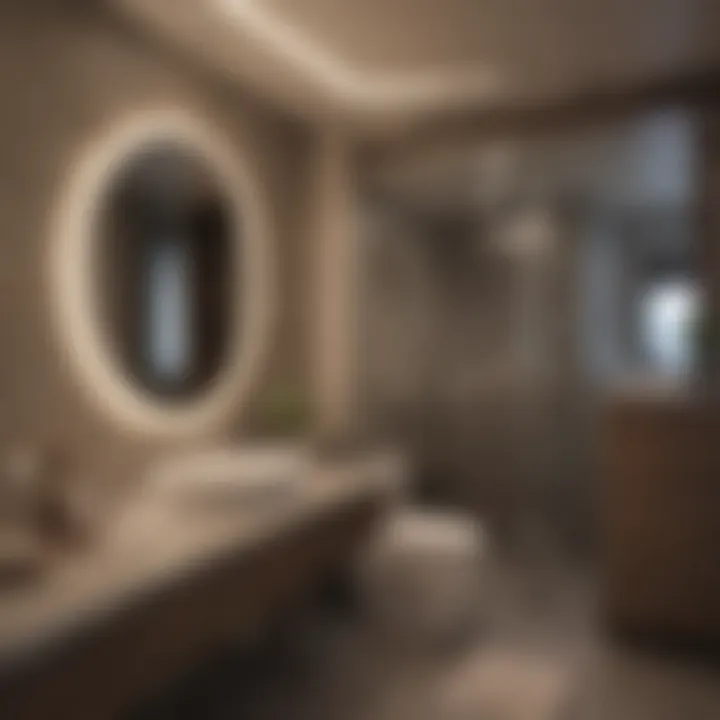
Navigating between open and closed spaces is essential in optimizing the small bathroom in a fifth wheel. Open designs may enhance the feeling of space by allowing movement and light to flow without obstruction. This openness can reduce the feeling of confinement. Options like open shelving or curtain dividers can foster a more airy environment. In contrast, closed designs can provide privacy for bathers which is particularly important if the bathroom is multifunctional.
Choosing between open and closed designs depends on how the space is utilized. In homes where family members frequently share the bathroom, opt for a closed design that grants necessary privacy. Expect the key element here to be balance. Combining elements of both means creating zones in one's fifth wheel that serve distinct purposes while remaining visually connected.
Lighting Solutions
Proper lighting is often overlooked but plays a critical role in how one perceives space. This is especially true in a bathroom, where intricate details and surfaces require thoughtful illumination. Strategic placement of light fixtures can help eliminate harsh shadows that tend to confine spaces. Consider layering lighting—this involves using ambient lighting to create a general glow, accent lighting for specific spots, and task lighting directed for activities like shaving or makeup application.
Energy-efficient options, such as LED fixtures, enhance brightness while minimizing energy consumption. Additionally, incorporating dimmer switches offers flexibility, making it practical for differing needs at varying times of day.
“A well-lit bathroom not only looks appealing but also serves practical purposes—ideal for grooming or socializing.”
Color Schemes and Their Impact
The significance of color schemes cannot be overstated. Colors affect mood, making them an intrinsic part of the design process. Choose light and soft hues to give an impression of space and serenity. Soft whites, delicate creams, or muted pastels can open up a room improving overall sentiment. Conversely, bold colors like deep greens or navy can make a statement while providing cozy atmospheres. These can work wonderfully as accent walls or details in fixtures.
When selecting colors, consider the natural light entering the bathroom and how this alters the viewing of certain shades throughout the day. It’s also wise to incorporate textures to create sophistication. Utilize matte finishes, patterned tiles, or glossy accents to add depth without overwhelming the small space.
Executing the Remodel: DIY vs.
Professional Help
When it comes to remodeling the bathroom in your fifth wheel, deciding between tackling the project yourself or hiring professionals is a significant choice. This decision influences not only the final aesthetic but also the overall functionality and longevity of your improvements. Weighing the pros and cons of each option will help you determine the best path forward for your specific needs and capabilities.
Assessing Your Skills
Before you embark on the remodeling journey, it is critical to evalute your own skills and knowledge in home improvement. A bathroom remodel entails various tasks such as plumbing, electrical work, tiling, and framing. Understanding which areas you excel in and where difficulties may arise is essential.
- Honesty About Abilities: Consider previous DIY projects. Were you successful?
- Research Skills: Are you able to learn new techniques or codes related to plumbing or electrical specifications?
- Time Commitment: Do you have the necessary time for a potential lengthy process?
Undertaking the remodel yourself can be satisfying and economical. However, missteps may result in increased expenses if repairs are necessary. It’s prudent to list out each task and critically assess your experience.
Hiring the Right Professionals
Should you decide that professional help is suitable for your project, it is imperative to identify the right contractors. Engaging without proper vetting may lead to delayed timelines or unsatisfactory results.
- Research Credentials: Look for builders who specialize in RV or fifth wheel renovations. Their unique experience suits these specific environments, ensuring quality work.
- Seek Recommendations: Ask within online forums like Reddit for personal feedback from fellow fifth wheel owners. Great contractors gain recognition through reviews from satisfied clients.
- View Past Work: Request a portfolio showing previous bathroom remodels to assess the quality and style your potential professional delivers.
A well-selected contractor should align with your vision and able to work efficiently to fit your schedule.
Permits and Regulations
Having permits and following regulations is a vital aspect of every remodeling project. Before you start, ensure that your plans meet local codes and legal requirements. Failing to do so can lead to fines, excessive remodel costs, or unwanted delays in your project.
- Check Local Building Codes: Each municipality may have different codes regulating plumbing, ventilation, and fixture installations.
- Insurance and Licensing: Verify whether your contractors have the necessary insurance and licensing compliant with local law.
- Submit Permits in Advance: Depending on the scope of your remodel, evaluation time for permits may vary. Plan ahead and submit early to ensure project flow.
Seeking expert advice on local regulations from professionals can save you time and evade complications.
The process of remodeling your fifth wheel bathroom entails thoughtful planning regarding DIY efforts or hiring outside help. Both paths provide distinct benefits, but understanding your capabilities and being aware of necessary regulations will guide you toward a successful transformation.
Post-Remodel Considerations
After completing the remodel of a fifth wheel bathroom, Post-Remodel Considerations are crucial for long-term satisfaction and functionality. This stage is about adapting and maintaining your newly transformed space to ensure its effectiveness and aesthetic appeal endure. Knowing what aspects to focus on helps to maximize investment and improves user experience.
Maintenance Tips
Upkeeping a remodeled bathroom in a fifth wheel requires specific attention. Regular maintenance is essential to avoid problems such as leaks or water damage.
- Inspections: Check for leaks around fixtures and plumbing periodically. Make sure the caulking around bathtubs and sinks is intact.
- Cleaning: Use gentle cleaning products and methods to avoid damaging materials. Be cautious with abrasive cleaners.
- Repairs: Deal with minor issues immediately to prevent larger problems down the road. This proactive approach saves cost and time in the long run.
- Seasonal Checks: Management of humidity and condensation through proper ventilation particularly in cooler months helps to prevent mold growth.
Evaluating Functionality
Understanding how the space works for your day-to-day needs is essential. After remodel, take time to evaluate:
- Flow of Movement: Observe whether there is sufficient space to navigate comfortably, and assess how the layout serves your needs.
- Usage Efficiency: Make a list of daily activities you perform in the bathroom. Determine if any equipment or designs block serviceability or make tasks cumbersome.
- User Feedback: Engage family members for their observations and reasons behind any discomfort is instrumental in analyzing potential changes.
Adapting to Future Needs
Consider that your needs might change over time:
- Flexibility in Design: Choose designs and structures that can adapt as required. For example, choose fixtures that can be changed out easily, maintaining options for future improvement.
- Storage Adjustments: Remodeled spaces should ideally let you make changes in storage solutions as needs evolve. Think about whether built-in units are static or adjustable.
- Sustainability: As you adapt, try to integrate sustainable choices that reduce environmental impact and promote healthy air quality.
Proper post-remodel considerations help ensure your bathroom remains a pleasant and functional space over time.