Creative Approaches to Bedroom Wall Design
Intro
In the quest to create a sanctuary within your home, the bedroom is often the focal point for personal expression and comfort. One of the most significant ways to reshape and define this personal space is through innovative wall design. The choices made for wall aesthetics not only play a role in visual appeal but also influence mood, making a bedroom both a retreat and a reflection of one's individuality.
Selecting the right design elements for your bedroom walls can seem daunting. However, with a bit of planning and creativity, anyone can turn their walls into eye-catching features that harmoniously blend with the overall decor. It's about turning an ordinary space into an extraordinary experience, breathing life into your walls while ensuring they resonate with your personal style.
Before diving into specifics, it’s essential to gather your materials. Knowing what you need upfront helps streamline the process and sets you up for success. Let’s take a closer look at the materials required for effective DIY bedroom wall designs.
Materials:
To begin your wall design project, it's vital to have the right materials on hand. Here’s a comprehensive list that includes essential items, categorized by type:
Paint and Finishing Supplies
- Wall Paint: 2-3 gallons of your chosen color, depending on room size.
- Primer: 1 can.
- Sealer: 1 can, for a polished finish.
Textures and Wall Treatments
- Peel and Stick Wallpaper: 1-2 rolls, based on the wall dimensions.
- Wood Paneling: Boards cut to fit your space, approximately 5-7 pieces, each 4 feet by 3 feet.
- Fabric (for upholstered walls): Approximately 10 yards of desired fabric.
- Stencils: Various shapes for added decor, as preferred.
Installation Tools
- Paintbrushes: Various sizes for detailed work.
- Rollers: 2-3 for larger areas.
- Paint Tray: 1 unit.
- Measuring Tape: 1 unit for accurate measurements.
- Utility Knife: For cutting wallpaper and fabric.
Decorative Elements
- Wall Art: Choose specific pieces or create your own.
- LED Strip Lights: 1-2 sets, around 16 to 32 feet long, for ambient lighting.
- Picture Frames: Various sizes to compliment your wall art.
"Every wall bears the potential for a canvas; don’t let it stay blank."
Miscellaneous
- Screws and Wall Anchors: For securing heavier items.
- Glue/Doublesided Tape: For mounting items that shouldn't be drilled.
Knowing your clock can aid you, each material serves a distinct purpose in crafting that perfect bedroom aesthetic. Once you’ve gathered your materials, it's time to embark on the transformation journey. Here are the next steps to consider in your DIY wall design project.
Preamble to Bedroom Wall Design
In any home, the bedroom is often seen as a personal sanctuary, a place where one seeks solace from the world's hustle and bustle, making the design choices made here all the more significant. Wall design in the bedroom does much more than simply cover the vertical expanses; it sets a unique tone, influences mood, and ultimately affects the overall comfort of the space. This section will delve into the critical importance of wall design, emphasizing how it can empower homeowners to curate an ambience that reflects their style while promoting relaxation.
Understanding the Importance of Wall Design
Every bedroom is unique; thus, wall design must be tailored to fit individual preferences and needs. The walls can act as the backdrop of one's identity, telling a story about who you are and what you value. By carefully considering wall design, one can create a cohesive look that enhances not just the aesthetics but functionality too. The choice of color, material, and art can guide the feel of the room, affecting how you unwind at the end of a long day.
- Aesthetic Appeal: Beautifully designed walls captivate the eye, inviting guests to enjoy the space. They can be used to play with light and shadow, creating a more dynamic atmosphere.
- Personal Expression: Walls are the canvasses for self-expression. From minimalist designs to eclectic art, each choice serves to personalize a space.
- Emotional Impact: Colors and textures can provoke emotional responses. Soft hues might induce tranquillity, while vibrant patterns can enliven the space, turning it into a stimulating environment.
Understanding these principles allows one to approach wall design with intention, ensuring that the results resonate on a deeper, more personal level.
Setting the Tone for the Bedroom
The walls of a bedroom act much like a silent refrain, continuously shaping how one interacts with the space. They set the tone, laying the groundwork for the room’s overall atmosphere.
When you walk into a room, the immediate impression often comes from the walls. Do they feel warm and inviting, or stark and cold? Some elements to consider include:
- Color Scheme: Choosing colors that resonate can instantly change the vibe. Soft pastels can promote calm, while bold colors may inspire creativity.
- Textures: These can add depth to the room. A mix of smooth and rough surfaces can create a tactile experience, making the space more dynamic.
- Patterns and Art: Consider how art pieces interact with wall colors. A busy print might clash with the decor, while a meaningful piece of art could elevate the entire room's energy.
Ultimately, the choices made with wall design are foundational to crafting a space that feels just right. Your bedroom should invite repose and reflect your personal flair all at once, creating a sanctuary where you can truly belong.
Exploring Color Palettes
Color not only beautifies your space; it has the power to transform how you feel in that space. Choosing the right colors for your bedroom walls means considering how they will affect your emotions and the overall ambiance. This section emphasizes that color selection is not merely a design choice—it’s a channel through which you can express personality, create mood, and facilitate comfort.
The Psychology of Color in Bedrooms
Understanding what colors evoke certain feelings is key to designing a bedroom that nurtures relaxation or inspires creativity. For example, shades of blue can usher in tranquility, reminiscent of clear skies and calm oceans, while yellows can inject a burst of energy and brightness, making the space feel more welcoming and lively. According to the Color Psychology theory, different hues activate specific areas of our brain, often influencing our behavior and state of mind.
Consider the soft pastels; they can create a serene atmosphere, ideal for winding down at day’s end. On the other hand, deeper colors like burgundy or navy can add sophistication but might also feel a bit heavy if overused, particularly in a small room. Finding balance is where the art lies. If you want to induce a peaceful environment, aim for a palette that merges calming tones with a few accent colors that create depth and interest.
"Color is the keyboard, the eyes are the harmonies, the soul is the piano with many strings."
– Wassily Kandinsky
Choosing Complementary and Contrasting Colors
Once you’ve figured out the mood you want to create, the next step is selecting your color combinations. Complementary colors sit opposite each other on the color wheel. When paired, they can create a vibrant look that catches the eye. For instance, mixing a light lavender with a deeper green can make both colors pop, giving the room a fresh and dynamic vibe.
Conversely, contrasting colors offer unique visual interest. You might consider a warm coral with cool teal. The clash of hues can be striking and invigorates the space; however, moderation is key to avoid overwhelming oneself or guests.
Here are a few considerations to keep in mind when selecting your color combinations:
- Room Size: Lighter shades can open up small bedrooms, while darker colors can create intimacy in larger spaces.
- Natural Light: Assess how much light enters the room during the day. Bright colors can enhance sunlight, while darker ones can absorb it, altering the perception of space.
- Existing Decor: Don’t forget to factor in existing furniture and decor items when picking colors. A shade that seemed perfect may not align with the sofa or curtains already in place.
- Mood Board: Creating a visual mood board with swatches and images can guide you in the right direction before committing to any color schemes.
By marrying thoughtful color choices with an understanding of the emotions they evoke, you'll be able to craft a bedroom that not only reflects your nature but also resonates with a sense of peace and comfort.
Textural Elements in Wall Design
Textural elements play a crucial role in bedroom wall design, adding depth, warmth, and a sense of individuality. These layers of texture can significantly impact how a space feels and looks. By bringing in different materials and techniques, you create an interplay of light and shadow that can enhance the feel of the room, making it more inviting and alive.
When it comes to wall design, texture offers a unique avenue for self-expression. It's not just about aesthetics; it also involves functionality and comfort. Textured walls can soften sound, manage humidity, and even improve insulation. Whether through painted surfaces or wallpaper, integrating texture into a bedroom can elevate the atmosphere, breaking the monotony of flat, smooth walls.
Incorporating Textured Paint Techniques
Textured paint techniques can alter the entire feel of a bedroom. Utilizing tools like sponges, brushes, or even splatter techniques, you can craft intricate patterns that visually stimulate and engage. For instance, a stucco finish can imbue a rustic charm, while a metallic sheen can create modern elegance. One common approach is the use of a faux finish, allowing you to mimic high-end materials without the hefty price tag.
Consider using a textured paint that conceals imperfections. This feature not only adds character but can also be practical for walls that have seen better days. It’s a way to breathe new life into worn surfaces.
Exploring Wallpaper Options
Wallpaper remains a favorite for adding texture and personality to bedroom walls. The evolution in wallpaper technology offers a variety of innovative choices that can suit any taste or preference. Here are a few categories worth exploring:
Traditional Wallpaper
Traditional wallpaper brings a classic touch to bedroom design. Its patterns, whether floral or geometric, have an innate ability to draw the eye and tie a room together. The key characteristic of traditional wallpaper is its permanence; once it's up, it creates a lasting impact. This makes it a great choice for those who want a more stationary design aspect to their room.
However, one should consider the commitment and potential hassle of removal; it can be quite an undertaking. Still, the depth and style it adds to the space are often deemed worthwhile.
Removable Wallpaper
Removable wallpaper has gained popularity for its versatility and ease of application. The charm lies in its user-friendly attributes, allowing homeowners to change styles without the mess of conventional wallpaper. A significant advantage is the convenience of updating looks seasonally or as tastes change without causing lasting damage to walls.
This option is particularly beneficial for renters or those who frequently refresh their decor. However, it’s worth noting that not all removable wallpapers have the same durability, so one must choose wisely based on the room's traffic and use.
Textured Wallpaper
Textured wallpaper stands out as a significant option for adding dimension to bedroom walls. Its tactile nature contributes to a dynamic atmosphere. Whether it's a raised design or a fabric texture, this type of wallpaper plays with light differently than flat finishes.
One unique feature is that it can help mask imperfections in the wall, offering both aesthetic enhancement and practical benefits. The downside might be cleaning challenges since textured surfaces may collect dust more easily.
Artistic Wall Treatments
Artistic wall treatments serve as more than mere decorations; they are a significant aspect of bedroom design that can shape the atmosphere and reflect personal style. By incorporating various art forms and creative installations, homeowners can transform blank walls into vibrant displays that inspire and delight. These treatments not only engage the eyes but also provoke thought and emotion, creating a visually dynamic environment. When you lay a brush on the wall, or hang a print, you tell a story about who you are and what you love.
When considering artistic wall treatments, it is essential to assess factors like size, color, and style. Large, bold murals can make a statement in a spacious room, while soft canvas prints can offer a tranquil touch in smaller spaces. This section delves into several artistic options, each with unique benefits that can cater to both aesthetic desires and functional needs.
Canvas Art and Prints
Canvas art and prints offer a versatile and impactful way to infuse personality into the bedroom. Whether you're drawn to landscapes, abstracts, or personal photography, the medium allows for an almost limitless selection that suits various tastes.
- Visual Appeal: Canvas pieces often have a textured surface that adds depth and interest, enhancing the overall aesthetic of the room.
- Easy Updates: Changing these prints can refresh the space without major renovations. Swapping out pieces with the seasons can keep the decor feeling new and relevant.
- Personal Touch: Many homeowners opt for custom prints from personal photos, which can foster a sense of warmth and nostalgia. This adds a comforting layer to the personal space.
"Art enables us to find ourselves and lose ourselves at the same time." – Thomas Merton
Framed Galleries and Arrangements
Framed galleries can create a captivating feature wall that displays a curated selection of art. This method allows you to combine different styles, colors, and themes into a cohesive visual narrative. When considering framed galleries, one should keep a few things in mind:
- Consistent Frames: Use a uniform frame style or color for a polished look, or mix it up for an eclectic vibe.
- Thematic Cohesion: Decide whether you want to follow a specific theme, such as travel, family moments, or abstract creativity.
- Placement and Spacing: Arrange the frames with balance and symmetry. A well-thought-out layout can guide the viewer's eye pleasantly around the display.
For housewives and homeowners looking to personalize their space, framed galleries not only provide a visual treat but also prompt conversations, making each guest’s experience more engaging.
Murals and Custom Paintings
Murals and custom paintings represent perhaps the most dramatic expression of artistic wall treatments. Whether opting for a whimsical children's theme or a sophisticated abstract piece, the potential for personalization is immense.
- Immersive Experiences: A mural can transport you to a different world, creating an immersive experience right within your own bedroom.
- Collaboration with Artists: Engaging a local artist for a custom piece can truly capture your vision—this is not just decor; it’s a partnership in creation.
- Long-Lasting Impact: Unlike removable wallpapers or posters, a mural, when done well, becomes a long-lasting feature that adds value and uniqueness to your home.
As you contemplate how to enhance your bedroom, remember that artistic wall treatments are not just for the sake of aesthetics; they play a vital role in expressing individuality and shaping your retreat into a space of comfort and inspiration.
Functional Wall Installations
Functional wall installations play a pivotal role in optimizing bedroom space while adding style and practicality. These installations often blend beauty with utility, providing practical solutions that enhance the overall ambiance without compromising on design. Homeowners looking to revamp their bedrooms should consider how elements such as shelves, lighting, and technology can transform blank walls into stunning focal points that serve multiple purposes.
Shelves and Storage Solutions
Floating Shelves
Floating shelves offer a sleek way to display items without bulky brackets disrupting the line of sight. They can be positioned at various heights, making them adaptable to your intended design. These shelves not only serve as storage for books or decorative items but also act as a canvas for creativity. The visual lightness they embody can make a room feel more open while providing much-needed functional space.
One key characteristic of floating shelves is their ability to create the illusion of depth in limited space. Unlike traditional shelving, which can feel heavy and imposing, floating options vanish into the wall, focusing attention on the objects displayed. This subtlety makes them a popular choice for modern bedrooms that lean towards minimalism.
However, installation can present a challenge. Proper anchoring is essential to avoid sagging over time, making careful attention during setup vital. It's a balance of style and practicality that homeowners need to navigate, yet the rewards often outweigh the risks. Maintaining cleanliness beneath these shelves might also pose a slight inconvenience due to dust accumulation. Still, their charm quite often gets them a thumbs-up.
Built-In Bookshelves
On the other hand, built-in bookshelves offer an ingenious way to maximize space, particularly in smaller bedrooms. Their construction utilizes the wall itself, wrapping your room in a built-in system that feels integrated and flowing. One of the benefits of built-in bookshelves is their ability to accommodate any interior design style, lending itself well to both contemporary and classic aesthetics.
The unique feature of these bookshelves lies in their customization potential. Homeowners can tailor dimensions, styles, and finishing touches to perfectly fit their vision. This personal touch not only transforms the actual book storage but elevates the space’s overall charm.
However, they often require a greater investment in both time and resources compared to floating shelves. If you're not keen on a construction project or have roaming whims about your design, these might feel too permanent. They can also be a bit difficult to relocate if moods change or tastes evolve. Yet, the statement made by such installations often holds their weight in adaptability, if you are willing to make that investment.
Wall-Mounted Lighting Options
Wall-mounted lighting comes next as a brilliant way to illuminate spaces creatively. By integrating light fixtures right into the wall, one can free up table space and create a unique night-time ambiance. Options vary from sconce lights to rechargeable fixtures, all designed with elegance and efficiency in mind. Homeowners can select styles that resonate with their aesthetics, whether seeking sleek modernity or classic decor statements.
Integrating Technology into Wall Designs
Smart Panels
Smart panels are all the rage nowadays! They can transform a standard wall into a technological marvel, allowing you to control the ambiance at your fingertips. Whether it's adjusting the lights, changing colors, or managing temperature, smart panels make bedroom convenience a priority—all within an appealing design.
Beyond mere functionality, their seamless integration into existing decor makes them a noteworthy highlight. A significant characteristic of these panels is their ability to offer a customized experience tailored to the user. However, embracing such technology might require a learning curve, alongside initial costs, which could be a hurdle for some.
Hidden Cables and Wires
Last but not least, the appearance of hidden cables and wires can make a world of difference in achieving a tidy, minimalist design. When you incorporate technology into wall designs, it’s easy for wires to become tangled and unsightly. Perfect placement and concealing are essential to maintaining a clean look in your bedroom.
One impressive aspect of hidden wires is the ability to create a streamlined finish, fostering more focus on the decor rather than distractions from it. This can truly elevate the look and feel of a room. However, installing these systems may require extra effort and professional help, which can deter some from engaging at all. Yet, for those who appreciate a sharp, modern look, hiding those wires is definitely worth considering.
"Functional wall installations are not just about storage or technology; they are the foundation of a harmonious living space."
Conclusively, as you explore these functional installations, don’t forget that they can be tailored and designed just for you. This approach ensures a lens through which both form and function can coexist beautifully in your personalized space.
Natural Elements in Wall Design
Integrating natural elements into bedroom wall design can breathe life into your space, creating a harmonious atmosphere that connects the indoors with nature. These elements not only enhance aesthetic appeal but also promote a sense of tranquility and well-being. Consideration of natural materials can make a significant difference, offering warmth, texture, and character, which is often absent in conventional wall designs.
Using Natural Wood Features
Wood Panels
Wood panels have gained popularity in interior design due to their warmth and ability to create a refined atmosphere. The key characteristic of wood panels is their versatility; they can easily fit into various design styles, from rustic to modern. One of the unique features of wood panels is their grain patterns, which can differ widely, making each installation one-of-a-kind. The advantages of using wood panels include durability and easy maintenance. However, it's worth noting their disadvantages; wood can be susceptible to moisture and may require regular refinishing to keep up its appearance.
Reclaimed Wood Options
Reclaimed wood options take the concept of sustainability to the forefront of wall design. This type of wood is salvaged from old construction sites or discarded furniture, giving it a weathered look that brings immense character. The key characteristic of reclaimed wood is its eco-friendliness; using it supports recycling and reduces waste. A unique feature of reclaimed wood is the history it carries, which can add a personal touch to a space. The advantages include its charm and sustainability, but there might be disadvantages such as Limited color choices and potential difficulties in sourcing consistent materials.
Incorporating Indoor Greenery
Vertical Gardens
Vertical gardens bring a splash of life into any space, acting as a natural air purifier while serving as an eye-catching design element. The key characteristic of vertical gardens is their ability to maximize space. They're particularly beneficial in smaller bedrooms with limited wall space. A unique feature of vertical gardens is the varied heights and textures of plants, which can create visual interest. The advantages of incorporating vertical gardens into wall design include improving air quality and creating a calming vibe. Conversely, the disadvantages can include the need for regular maintenance and the initial installation costs.
Plant Wall Installations
Plant wall installations take greenery a step further by offering a more structured and designed approach. The key characteristic of plant wall installations is their flexibility in design, catering to personal tastes and styles. They can vary from minimalist installations featuring succulents to lush designs filled with tropical plants. A unique feature is that plant walls can be designed to suit the room's light levels, enhancing the adaptability of your design. Advantages include improving mood and aesthetics, while disadvantages might be the reliance on adequate light and care routines that must be adhered to for healthy plants.
Innovative Textiles on Walls
In the realm of bedroom wall design, innovative textiles play a critical role that transcends mere aesthetics. Utilizing fabric not only enhances visual appeal but also adds layers of texture and comfort. The choice of textiles can impact the mood of the room, soften acoustics, and create a more inviting atmosphere. Moreover, fabrics offer an opportunity for personalization, allowing homeowners to express their unique style and preferences through varying colors, patterns, and materials.
Implementing textiles on walls can be a game changer for a bedroom. Here are some benefits to consider:
- Softening Hard Surfaces: Fabrics can reduce harsh echoes and contribute to a cozier ambiance.
- Visual Interest: Textiles provide a way to introduce rich patterns and colors without overwhelming the space.
- Seasonal Versatility: Textiles can be swapped out or layered for different looks throughout the year, making the room feel dynamic and fresh.
- Ease of Installation: Many textile options can be more straightforward to install than traditional wallpapers or paint, making them appealing for DIY enthusiasts.
However, there are several factors to keep in mind when planning to use textiles on walls:
- Material Selection: Choosing the right fabric is critical. While certain materials like velvet or silk can bring luxury, they might require more maintenance.
- Durability and Maintenance: Not all fabrics are created equal. Consider how the fabric will hold up against wear, especially in high-traffic areas.
- Potential for Allergens: Be mindful if you or your family members have allergies. Opt for hypoallergenic fabrics when possible.
"Textiles can transform a dull wall into a statement, making them indispensable in thoughtful interior design."
Fabric Wall Hangings
Fabric wall hangings offer a versatile and stylish way to enliven any bedroom's wall space. This approach not only serves an aesthetic purpose but can also carry personal significance, such as family heirlooms or culturally meaningful pieces. The beauty of fabric hangings lies in their variety. They come in all shapes, sizes, and designs—from understated linen panels to vibrant, intricate quilts.
When integrating fabric hangings into your wall design, consider these points:
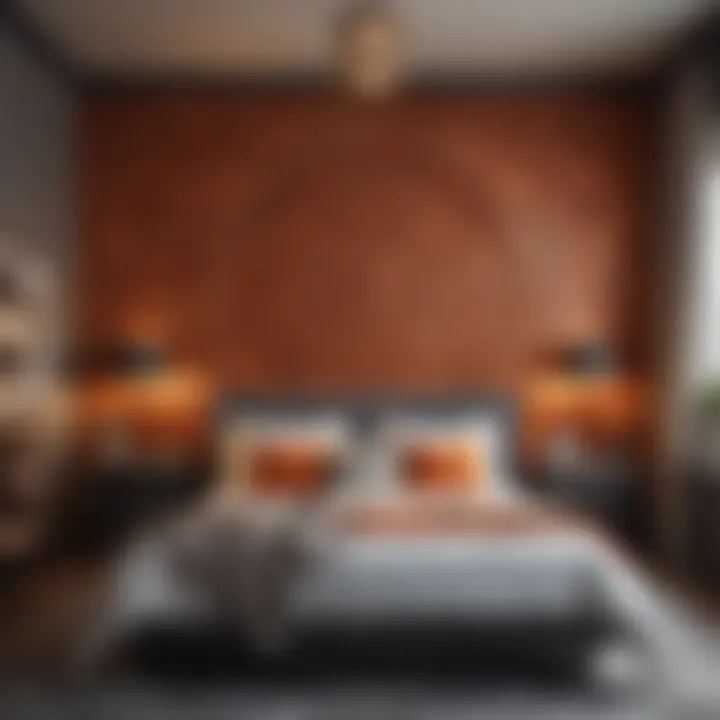
- Harmonious Color Schemes: Ensure that the colors in your fabric hangings complement your overall bedroom palette. The idea is to make them feel like they belong.
- Layering Textures: Mix different textures for depth. A soft, knitted wall hanging paired with a smooth fabric can create an engaging visual contrast.
- Placement: Choose locations that capture attention, like above the bed or a console table yet don’t overwhelm the space.
These pieces can be used as focal points or subtle accents, depending on your design philosophy.
Tapestry and Wall Fabrics
Tapestries and wall fabrics are trending in a big way, and rightfully so. Their ability to cover a larger area with a statement piece is unparalleled. Historically, tapestries have served as both art and insulation, adding warmth and character to interiors. In contemporary settings, they blend traditional craftsmanship with modern styles.
Different types of tapestries can evoke a range of emotions and energy within a room:
- Bohemian Love: Often features bold, colorful designs that introduce a carefree feel. Perfect for casual bedrooms.
- Modern Minimalism: Simple, monochromatic patterns can enhance a clean, streamlined aesthetic.
- Cultural Narratives: Tapestries can tell stories through their designs, making them meaningful conversation starters.
When installing these fabrics, keep in mind the balance between functionality and art. Properly framing or hanging them can elevate their presence, making any wall feel curated rather than cluttered.
Incorporating innovative textiles into a bedroom’s design provides endless opportunities for creativity and personalization. Whether through delicate fabric wall hangings or breathtaking tapestries, these elements can ultimately contribute to a space that is distinctly your own.
Seasonal Wall Decor Strategies
In the realm of bedroom design, the changing seasons offer a natural rhythm that can guide your decor choices. Seasonal wall decor strategies not only enhance the visual appeal of your bedroom but also provide an opportunity to refresh and rejuvenate your space throughout the year. Embracing seasonal themes enriches the environment, offering a dynamic feel that feels both comfortable and inspiring.
By adjusting wall decor according to the seasons, you can evoke different moods and atmospheres. For instance, a summer vibe might lean towards light pastels and airy textures, whereas autumn might invite deeper tones like burnt orange or rich browns. This strategy allows for a continuous connection with nature, creating an inviting haven that reflects the world outside your window.
Incorporating Seasonal Accents
When it comes to incorporating seasonal accents, think about elements that can seamlessly integrate with your existing decor. Here are some ideas to consider:
- Textiles: Swapping out light, summery fabrics for warmer, cozier options can change the whole feel of the room. Consider introducing throws and pillow covers in seasonal patterns or colors.
- Wall Art: Frame seasonal prints or illustrations that represent various festivities, such as pumpkins in fall or blooming flowers in spring. Rotate these artworks to keep the overall look fresh.
- Natural Elements: Use items like pinecones, leaves, or dried flowers inside frames or as part of a wall installation. They not only add visual interest but also bring the beauty of nature indoors.
"Seasonal decor isn't just about changing what's on the wall; it's about enhancing the feeling of your space in harmony with nature's cadence."
Incorporating these seasonal accents allows you to enjoy the small pleasures of change, fostering a more engaged connection with your living environment.
Rotating Art and Decor
Another effective strategy in seasonal decor is rotating art and decor. It can be a simple yet powerful way to keep your bedroom feeling vibrant and relevant. Here’s how to effectively rotate your decor:
- Plan a Schedule: Set reminders for when to change your decor—perhaps at the beginning of a new season. This planning allows you to collect and prepare new items in advance.
- Create a Collection: Cater to various seasons by creating a decor collection that includes wall art, textiles, and decorative objects. This could range from holiday-themed items to nature-inspired pieces that resonate with the seasons.
- Theme-Based Rotations: Consider themes for each season. For example, winter might focus on coziness and warmth, featuring artworks with snow scenes and plush fabrics.
- Interactive Displays: Incorporate changeable displays that can be easily updated with each season, like a pegboard to hang art or small shelves to place various decorations.
By systematically rotating art and decor, you breathe new life into your bedroom while keeping your space aligned with the rhythms of life. In doing so, every change reminds you of the joy and beauty inherent in nature's cycles.
Personalized Wall Decor Ideas
In the realm of bedroom design, personalized wall decor stands out as a hallmark of individuality. This facet of wall treatment allows homeowners to weave their personal stories into the very fabric of their living space. Utilizing personal memorabilia and family photos not only brings a sense of belonging but also transforms the walls from mere structures into narratives filled with emotion and charm.
Displaying Personal Memorabilia
Displaying personal memorabilia is more than just an aesthetic choice; it's a way of cherishing moments and memories close to your heart. From travel souvenirs to cherished trophies, integrating these items into your wall decor adds a unique dimension to your bedroom. Consider the following elements to effectively showcase personal memorabilia:
- Select a Focal Point: Choose a prominent wall as the canvas for your collection. This could be the wall behind the bed or a narrow hallway that invites curiosity.
- Create a Thematic Cohesion: Group items based on themes or colors to create a harmonious look. For example, travel memorabilia can be complemented with maps or travel-themed prints.
- Use Display Boxes or Shelving: Glass display cases or shadow boxes can protect and present your items while allowing for easy viewing. Floating shelves provide versatility to rearrange items as new memories accumulate.
- Engage Different Heights: Arrange items at varying heights to create visual interest. Lean larger pieces against the wall and hang smaller ones above or below to avoid a flat look.
"Home is where the heart is, and personal memorabilia connects our hearts to treasured experiences."
Including these memories not only personalizes your space but also ignites conversations, making your bedroom feel alive and welcoming.
Using Family Photos Wisely
Family photos can often be the heart and soul of personalized wall decor, breathing life and warmth into your bedroom. However, it's crucial to use them wisely to avoid overwhelming the space or creating visual clutter. Here are some tips for effective placement and curation:
- Choose a Consistent Frame Style: Opting for a specific frame style creates unity and doesn’t let frames clash with one another, resulting in a smoother visual experience.
- Consider Arrangement: Instead of straight lines, try a relaxed gallery wall look. Use a mix of sizes and orientations, hanging some photos in frames and others without.
- Balance the Layout: Achieving balance is key. Pair smaller family portraits with larger prints or art pieces, ensuring that either side of the arrangement feels visually pleasing.
- Limit Color from Photos: If possible, convert some images to monochrome for a classic, timeless feel. This also helps to bridge the visual gap between the different photo styles.
By taking time to think through the arrangement and framing, family photos can do much more than just decorate a wall; they enrich the atmosphere with nostalgia and warmth.
Reflecting Personal Style Through Color and Design
When it comes to designing a bedroom, the walls are like a blank canvas, waiting to be infused with one’s personality. Reflecting personal style through color and design is not just about choosing what looks good; it’s about creating a space that resonates with who you are. Every detail, every shade, weaves a story and affects the mood inside the room. In this section, we will explore how colors and designs can be tailored to reflect individuality and foster a comfortable environment.
Understanding Personal Preferences
Personal preferences often dictate choices in color and design. It’s essential to dig deep into what resonates on an emotional level. Are you drawn to tranquil blues or vibrant reds? Do you like minimalist aesthetics or prefer a more eclectic mix? Asking these questions can lead to a clearer vision for your walls.
- Colors: Each shade has a unique character. Soft pastels can evoke serenity, while warm tones often bring warmth and energy.
- Design Styles: Think about styles that captivate you. Are you a fan of rustic charm, modern sleekness, or bohemian flair? Keeping these styles in mind can guide your selections.
- Mood Influencers: Colors impact mood, influencing everything from relaxation to creativity. For instance, green shades harmonize with nature, while yellow can illuminate a sense of joy.
Understanding intimately what colors and styles resonate with one’s identity is crucial for making lasting choices. It’s not solely about aesthetics; it’s about crafting a personal retreat that speaks to the heart.
Designing for Comfort and Aesthetics
The interplay between comfort and aesthetics cannot be overstated. No one wants a beautiful room that feels inhospitable. Thus, achieving a balance is paramount. This involves meticulous consideration of both the visual impact and the emotional feel of the space.
- Textiles and Patterns: Soft textiles paired with inviting patterns can warm up the feel of a room instantly. Fabrics, such as curtains or wall hangings, can harmonize the entire palette.
- Lighting: The right lighting can completely transform wall color perception. Soft, dim lighting can enhance warm tones, providing a cozy atmosphere.
- Personal Touches: Use decor that reflects individual stories or journeys—this can be anything from framing pictures from past vacations to showcasing artwork that resonates personally.
Balancing comfort with visual appeal ensures that the bedroom is a sanctuary. It's not simply about how things look, but how they make you feel.
"Every brushstroke of color, every piece of decor speaks of who you are. Let your walls tell your story."