Contemporary Innovations in Bathroom Design Trends
Intro
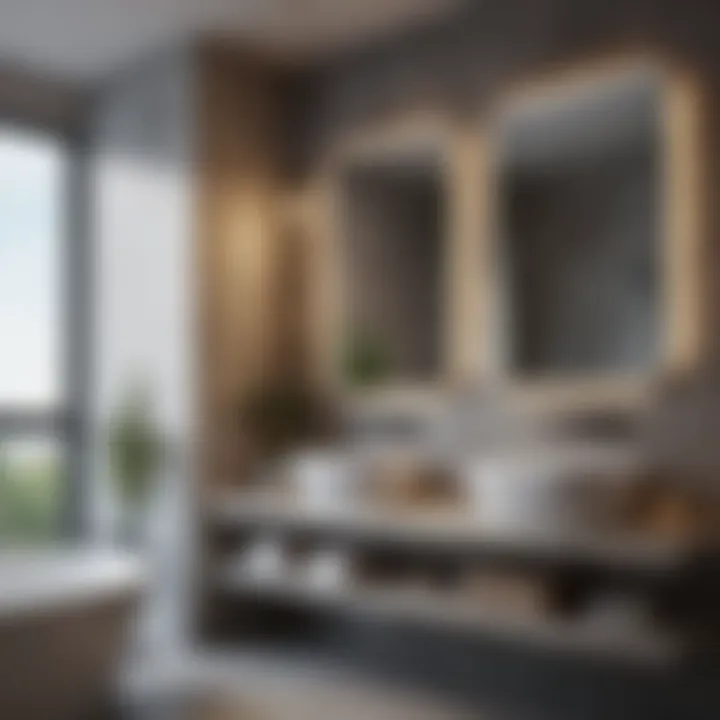
Designing a bathroom might seem straightforward, but it goes far beyond just selecting stylish tiles or a fancy showerhead. The modern bathroom is an oasis of relaxation, a practical space that meets the daily needs of its users. In this exploration of contemporary trends and methodologies, we will dive into what makes a bathroom design not just functional, but also visually striking and environmentally compliant.
The landscape of bathroom design is evolving. From eco-conscious materials to smart technology integration, it’s no longer just a utilitarian space. Homeowners and designers alike are recognizing the bathroom as a sanctuary, where design choices speak volumes about individual preferences, sustainability, and efficiency.
In the following sections, we’ll outline the materials, steps, technical aspects, and troubleshooting tips to help you embark on this innovative journey to rejuvenate your bathroom. Let’s roll up our sleeves and get into the nitty-gritty of creating a space that resonates with both utility and style.
Materials:
To get started on your new bathroom design, having the right materials set the foundation for success. Below is a clearly itemized list of materials, complete with approximate measurements to simplify your shopping list. Be sure to double-check your specific dimensions based on your unique bathroom layout.
- Wall Tiles: 300 square feet (for full wall coverage)
- Floor Tiles: 120 square feet (consider larger tiles to minimize grout lines)
- Waterproof Paint: 2 gallons (select mold-resistant options)
- Vanity or Cabinetry: Generally requires a single unit, about 30-48 inches wide
- Sink: 1 standard sink or vessel sink depending on choice (16-20 inches diameter)
- Faucet: 1 faucet unit (standard height, matching your sink)
- Shower Fixtures: Includes a showerhead and valve (1 set)
- Lighting Fixtures: 2-4 depending on layout (consider recessed lighting)
- Mirror: 1 mirror (30-40 inches wide)
- Eco-Friendly Caulk: 1 tube
- Grout: 2 bags (matching color to your tiles)
- Shower Curtain or Screen: 1 unit based on space available
DIY Steps:
Once you have gathered all necessary materials, you're ready to jump into the actual work. Follow these detailed instructions to ensure a smooth process:
- Prepare Your Space: Clear out furniture and fixtures; cover your floor with a drop cloth for protection.
- Plan Your Layout: Before starting installation, sketch a layout or use design software to visualize the final product.
- Conduct Plumbing Checks: Ensure that all plumbing is functional before covering any walls or floors.
- Install Wall Tiles: Begin from the bottom and work your way up. Apply tile adhesive and press the tiles firmly into place, following your design pattern.
- Lay Floor Tiles: Start from the center of the room and work outward for symmetry. Cut tiles as needed to fit around edges and fixtures.
- Paint Remaining Walls: Once tiles are set, apply waterproof paint to any non-tiled areas, allowing adequate drying time.
- Install Vanity: Secure your cabinetry, ensuring it’s level and anchored correctly.
- Install Sink and Faucet: Attach using manufacturers' guidelines for a watertight seal.
- Finish with Fixtures: Install your shower fixtures, lighting, and any additional elements needed for aesthetics.
Technical Aspects:
To accomplish all these DIY steps effectively, you will need a variety of tools at your disposal. Here's a detailed list:
- Basic Tools: Tape measure, level, and hammer
- Cutting and Installation Tools: Tile cutter or rotary saw, notched trowel for adhesive, caulk gun, drill
- Completion Tools: Grout float, sponge, bucket for mixing grout or paint
- Timing Tip: Allocate at least a week for a thorough job, factoring in drying times and any potential repairs.
DIY Project Process:
As you proceed through the installation, follow these sequential steps to avoid complications:
- Tile installation: Focus on one area at a time rather than overwhelming yourself by trying to do too much at once.
- Hallmark Techniques: Allow grout to set fully before stepping on tiled areas.
- Timing: Typical tile drying time is around 24 hours followed by grout curing.
Troubleshooting Tips:
Mistakes can happen, but many are easily rectified. Here are some common problems and solutions:
- Uneven Tiles: Adjust while adhesive is still wet, or remove and reapply.
- Grout Color Issues: When applying grout, ensure it’s evenly mixed to prevent blotchiness.
- Plumbing Leaks: Never ignore leaks; they can cause bigger problems later. Inspect connections immediately.
By following these materials, detailed steps, technical pointers, and troubleshooting guidelines, you'll be well on your way to designing a bathroom that's modern, stylish, and above all, innovative. This guide will lead you seamlessly from the planning stages to enjoying your revitalized space.
Overview of Bathroom Design Evolution
Understanding the evolution of bathroom design is crucial for anyone interested in revitalizing their personal space. This evolution illustrates how bathrooms transitioned from mere functional spaces to essential rooms that embody style, comfort, and individual expression. Through the ages, the bathroom has undergone significant changes, impacted by social, cultural, and technological advances.
From the outset, bathrooms were practical, often shared among households without much regard to aesthetics or personal comfort. However, as societies progressed, people's expectations changed. Today’s homeowners look for bathrooms that not only serve their primary purpose but also reflect their taste and cater to their wellbeing.
Key benefits of exploring this evolution include:
- Enhanced Creativity: Knowledge of historical and modern trends opens the door to creative designs.
- Informed Choices: Recognizing past practices helps guide current decisions, ensuring that functionality is not sacrificed for style or vice versa.
- Awareness of Sustainability: Understanding earlier designs allows for a better appreciation of sustainable materials and practices, creating a greener future.
This section lays the groundwork for exploring contemporary themes in bathroom design, showcasing how historical injustices can push modern innovations. By examining both the past and current influences, homeowners are better equipped to make choices that reflect both personal preferences and broader trends.
Historical Context of Bathroom Spaces
Bathrooms have long been seen as the unsung heroes of residential design. Dating back centuries, primitive bathrooms were rudimentary pits or holes in the ground. In ancient Rome, public baths began to emerge as social hubs, showcasing not just a need for hygiene but also an appreciation for beauty. These structures had intricate mosaics and marble, indicating that even in antiquity, aesthetics played a role.
Fast forward to the 19th century, and the importance of sanitation became paramount. The advent of indoor plumbing transformed the bathroom into a private space, paving the way for the modern designs we see today. The rise of the middle class in the late 1800s saw the bathroom evolve further, becoming a symbol of status and comfort, with ornate fixtures and elaborate tubs.
Modern Influences Shaping Designs
In our current age, several key influences are reshaping bathroom designs:
- Technology: Innovations like smart showers, automatic faucets, and integrated music systems have integrated in ways that enhance day-to-day experiences.
- Sustainability: Homeowners today are increasingly aware of their environmental impact, leading to a preference for eco-friendly materials and water-efficient fixtures.
- Health and Wellbeing: As life gets busier, homeowners crave relaxation. Today's designs often include spa-like features such as freestanding tubs and dedicated relaxation zones.
- Personal Style and Customization: There's a strong movement towards personalization. Homeowners are no longer content with one-size-fits-all solutions; instead, they seek out unique products that reflect their tastes.
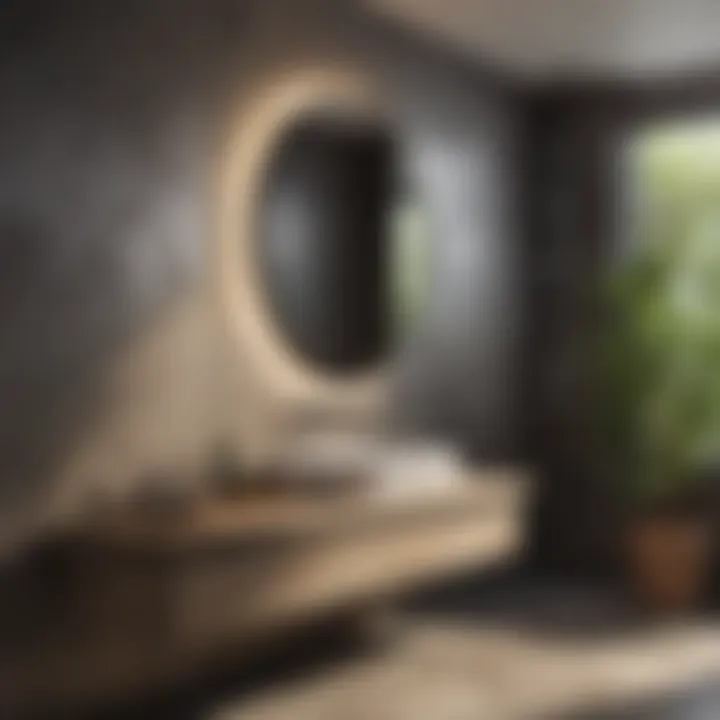
These modern influences reflect a broader cultural shift towards valuing personal spaces as not just functional areas, but essential components of a peaceful and fulfilling lifestyle.
Key Elements of Contemporary Bathroom Design
In the vibrant world of bathroom design, the role of key elements cannot be overstated. These elements are not just mere considerations—they form the backbone of spaces that marry function with aesthetics. As homeowners increasingly seek to create environments that are both appealing and practical, understanding these components becomes essential. By focusing on space utilization, material selection, and an informed color palette, designers can significantly enhance the overall experience of a bathroom.
Space Utilization and Layout Planning
The layout of a bathroom is fundamentally about maximizing the space. In many homes, bathrooms are not huge expanses; they’re often small and can feel cramped if not well-considered. Effective layout planning is about more than just placing sinks and toilets. It involves a strategic approach to ensure convenience while maintaining an inviting atmosphere.
- Flow and Functionality: Think of how the space is navigated. Door swings, shower placements, and even storage access all contribute to how effectively a bathroom works on a daily basis. Arranging these elements so they complement each other can prevent that frustrating bumping of elbows that often occurs in crowded quarters.
- Zones of Activity: Another important aspect is the division of the area into specific zones. This might mean ensuring that the area around a shower is separate from the toilet area, providing a sense of personal space even in a shared environment. Using half-walls or open shelving can create visual separations without closing off the area too much.
Ultimately, thoughtful space utilization transforms a basic bathroom into a sanctuary.
Material Selection and Innovation
Next up is material selection, a pivotal aspect that enhances both durability and beauty. The materials chosen for a bathroom can dramatically influence its aesthetic and functionality. With innovation leading the charge, there are exciting options available.
- Sustainable Materials: Today, many homeowners opt for eco-friendly alternatives like bamboo flooring or recycled glass tiles, aligning with growing environmental awareness. These materials not only add character but also minimize ecological footprints.
- Tech-Integrated Materials: Innovations bring materials that respond to their environment—a prime example is heated tiles that warm up when they sense footsteps. Such features enhance comfort, especially in chillier months and are becoming increasingly sought after as homeowners explore tech-integration.
Using thoughtfully selected materials fosters a bathroom environment that stands the test of time, both in style and structural integrity.
Color Palette and Lighting Considerations
Color and lighting are the brush and canvas when it comes to bathroom design.
- Color Psychology: Soft colors can make a small space feel larger and more serene, while bold hues can inject personality. Many modern spaces trend towards neutral palettes paired with vibrant accents for a touch of liveliness—think a soft beige backdrop with turquoise accessories.
- Lighting Layers: It's a good idea to consider layers of light. Ambient lighting provides a warm glow, task lighting ensures mirrors are well-lit for practical purposes, and accent lighting can highlight beautiful fixtures or decor elements. A mix of these can create a dynamic ambiance that shifts with the time of day or activity.
"The right combination of color and light can change the entire atmosphere, making a bathroom feel more welcoming and functional."
In summation, a contemporary bathroom design isn’t just about choosing appealing features. Each element—from the layout and materials to the colors and lighting—plays its part in crafting an environment that feels designed for both function and enjoyment. By embracing these considerations, homeowners can transform everyday routines into a luxurious and personal retreat.
Functional Aspects of Bathroom Design
In the realm of bathroom design, functionality stands as a cornerstone of its essence. The bathroom is not merely a space for personal hygiene; it is an environment where convenience meets comfort in daily routines. The following sections delve into the significance of functionality in modern bathroom design, articulating key elements, benefits, and considerations that enhance the overall experience for users.
Sustainable Practices in Bathroom Design
Sustainability has stepped into the limelight in recent years, influencing various design fields, including bathrooms. Sustainable practices incorporate materials and technologies that lessen environmental impact while boosting efficiency. This movement aims at reducing water usage and eliminating waste in bathroom designs. Here are some effective sustainable practices:
- Low-flow fixtures: Toilets, showerheads, and faucets with low-flow options can drastically reduce water consumption without sacrificing performance.
- Reclaimed materials: Using reclaimed wood or recycled tiles not only adds character to a space but also decreases the demand for new materials.
- Energy-efficient lighting: Opt for LED bulbs as they significantly cut down energy usage while providing bright and welcoming illumination.
"Every drop counts. Showerheads and faucets that conserve water can lead to significant savings on utility bills and are an easy switch for any homeowner."
These practices not only benefit the planet but also appeal to budget-conscious homeowners who wish to lower their monthly bills. Furthermore, the aesthetic appeal of using natural materials can create a warm and inviting atmosphere, making baths more pleasurable.
Accessibility and Universal Design Principles
As populations age and the need for inclusive spaces grows, accessibility becomes an essential aspect of bathroom design. Universal design principles focus on creating spaces that are usable by everyone, regardless of age, ability, or stature. A few key principles include:
- Grab bars and non-slip surfaces: Installing grab bars near toilets and in showers can help prevent accidents. Non-slip tiles reduce the risk of slips and falls, ensuring safety in wet conditions.
- Walk-in bathtubs and showers: These features can provide easy entry for individuals with mobility challenges, making bathing a less daunting task.
- Typical bathroom layout considerations: Ensure that there is enough maneuvering space for wheelchairs or walkers, allowing ease of access.
Incorporating these elements significantly enhances usability, ensuring that bathrooms serve all users effectively, improving quality of life and fostering independence for those who may require additional assistance in their daily routines.
In summary, focusing on functional aspects of bathroom design is fundamental. By integrating sustainable practices and adhering to universal design principles, designers and homeowners alike can create spaces that are not only practical but also welcoming and considerate of the diverse needs of all users. This thoughtful approach resonates well with modern sensibilities, ensuring that functionality and comfort go hand in hand.
Technological Integration in Bathroom Spaces
As the world continues to embrace the digital age, the integration of technology into bathroom design has become increasingly important. This is not just about flashy gadgets; it's about enhancing the user experience, achieving greater efficiency, and promoting eco-friendly practices. Homeowners are realizing that these advancements can streamline daily routines while also making a statement in the aesthetic appeal of their bathrooms.
Considerations for Technological Integration
When incorporating technology into bathroom spaces, it’s essential to consider a few key elements:
- User Comfort: How will the technology enhance user experience?
- Energy Efficiency: Will the devices contribute to sustainability?
- Maintenance and Durability: Are products reliable and easy to maintain?
By addressing these considerations, homeowners can create modern and functional bathroom spaces that cater to their specific needs.
Smart Fixtures and Automation
Smart fixtures have been making waves in the world of bathroom design, and for good reason. From automated faucets that control water flow with a touch to self-cleaning toilets, these advancements not only boost convenience but can also improve hygiene.
- Touchless Faucets: These fixtures promote cleanliness by minimizing contact with surfaces that harbor germs. They can be activated by a simple wave of the hand or foot, making them ideal for a family with kids or for those who prefer a more sanitary experience.
- Smart Showers: Imagine stepping into a shower that adjusts to your preferred temperature and water pressure before you even turn it on. With smart shower systems, users can program their ideal settings and even control them via smartphone apps. This level of personalization brings daily routines closer to a luxury spa experience without leaving the comfort of home.
Moreover, the invisible magic of automation extends beyond just fixtures. Automated lighting systems can adjust based on the time of day, creating an inviting ambiance that's welcoming in the morning and soothing in the evening. This kind of integration not only saves energy but also reduces the hassle of juggling multiple switches.
"Smart fixtures in bathrooms effectively blend innovation with comfort, ensuring that each visit feels tailored to the homeowner's needs."
Innovative Water Management Systems
Water management is another critical area where technology is making a difference. Innovative systems are not just saving homeowners money on bills; they're also paving the way for greener environments.
- Greywater Recycling Systems: These systems collect lightly used water from baths, sinks, and washing machines, treating it for reuse. Homeowners can utilize this water for landscape irrigation or flushing toilets. Such practices significantly reduce water waste, making them a boon for both the environment and the household budget.
- Smart Meters: Installing a smart meter can help track water consumption on a daily basis. This feature enables homeowners to monitor their usage patterns and identify spikes in water consumption, allowing for prompt adjustments to minimize waste and cut costs.
- Water-Saving Devices: New technologies, such as low-flow showerheads and dual-flush toilets, drastically reduce the amount of water used without compromising performance. This means a stylish bathroom can also be an eco-conscious space, appealing to homeowners who place value on sustainability.
By incorporating these innovative water management strategies, homeowners can not only enhance their functional spaces but also contribute positively to broader environmental conversations.
Personalization in Bathroom Design
Personalization in bathroom design is more than just a trend; it’s a vital part of creating a space that truly reflects the personality and lifestyle of the homeowner. In a world where individuality is celebrated, the bathroom remains one of the few sanctuaries in the home where people often desire a unique touch—one that speaks to their preferences and needs. Crafting a personalized bathroom not only enhances aesthetic appeal but also ensures functionality tailored to individual lifestyles and daily routines.
The beauty of personalization comes from the ability to weave in various elements that resonate with the user’s identity. This could range from the selection of tiles to how fixtures are styled, ultimately transforming the bathroom into an oasis that aligns with the homeowner's specific tastes. Furthermore, a personalized approach can significantly amplify comfort and convenience, ensuring that each visit is not merely utilitarian but also an enjoyable experience.
Many factors contribute to the effectiveness of personalization. The thoughtful consideration of color palettes, materials, and layouts all play pivotal roles in how a space is perceived and utilized. Having the freedom to customize these aspects empowers homeowners to design bathrooms that feel less like a stark functional space and more of a personal retreat.
"A bathroom designed with care can nurture both the body and the spirit, turning a simple daily routine into a delightful experience."
Customization Options for Fixtures and Finishes
When it comes to customization, homeowners can choose from an array of fixtures and finishes that add character and functionality to their bathrooms. One aspect often overlooked is how the choice of fixtures, such as faucets and showerheads, can profoundly impact the overall aesthetic. For example, opting for an artisanal brass finish rather than standard chrome can impart a timeless elegance to the space.
Some popular options to consider include:
- Vanities: A completely custom-built vanity, tailored to fit a specific space, not only serves practical needs but also stands as a centerpiece of style.
- Shower Systems: Consider an adjustable rainfall shower, allowing for a personalized comfort experience. Advanced models even offer features like integrated lighting, steam options, or Bluetooth connectivity for music or ambiance.
- Lighting Fixtures: Customized lighting can dramatically alter mood. Options might include dimmers, colored bulbs, or fixtures with distinct designs that align with the bathroom's theme.
The key to choosing the right finishes is to marry functionality with style. It's crucial to consider durability and upkeep; for example, while matte finishes provide a modern look, they might require more frequent cleaning compared to glossy surfaces.
Creating a Spa-like Experience at Home
Transforming a bathroom into a spa-like haven involves careful consideration of both design and sensory elements. The goal is to foster an environment that promotes relaxation, healing, and invigoration. Incorporating elements that mimic a true spa experience can be achieved with a few strategic adjustments.
- Soaking Tubs: If space allows, a standalone soaking tub can become the highlight of the bathroom, providing a serene spot to unwind after a long day.
- Natural Materials: Using stone, wood, or bamboo in design can invoke feelings of tranquility and connection with nature. These materials not only enhance beauty but can absorb moisture, adding to the functionality of the space.
- Aromatherapy: Adding diffusers or candles with calming scents such as lavender or eucalyptus can elevate the experience, encouraging relaxation and stress relief.
- Water Features: Consider incorporating a small fountain or waterfall, which can mask distracting sounds and create a soothing ambiance.
Creating this oasis at home allows for a self-care experience right in your own space. The result is a bathroom that serves not just as a utilitarian area but as a sanctuary, promoting wellbeing amid the chaos of everyday life. By thoughtfully combining unique designs, practical customization, and sensory elements, homeowners can truly personalize their bathrooms, fostering an atmosphere they cherish.
Trends in Bathroom Aesthetics
In the realm of bathroom design, aesthetics play a pivotal role, as they provide the first impression and set the mood for the space. How a bathroom looks can greatly influence perception—transforming it from a mere functional space into a sanctuary of personal expression. Understanding the prevailing trends can help homeowners create spaces that are not only appealing but also resonate with their individual styles and preferences.
Minimalism versus Maximalism
Minimalism has certainly carved its niche in modern bathroom design. This approach hinges on the principle of ‘less is more.’ A minimalist bathroom often features clean lines, neutral color palettes, and uncluttered spaces. The emphasis is on functional simplicity, where every element serves a purpose. Fixtures tend to be sleek, and decorations are few yet impactful. A wall-mounted sink, for instance, can free up floor space while providing a contemporary look.
Conversely, maximalism bursts forth with color and pattern. This trend embraces the idea that more can indeed be more. Maximalist bathrooms often incorporate bold tiles, vibrant paint choices, and layered textures. Homeowners may choose to mix vintage finds with modern elements, creating a rich tapestry of aesthetic appeal. Think deep jewel tones paired with ornate lighting fixtures or eclectic decorations that invite conversation.
"Minimalism allows for a clear mind and a serene space, while maximalism celebrates personal taste and individuality. Both can transform a bathroom into a work of art."
The choice between these two styles often boils down to personal preference and the desired vibe of the bathroom. A minimalist design can evoke tranquility, making it ideal for self-care routines. On the other hand, maximalism might be better suited for those looking to create a lively or dramatic space.
Incorporating Nature into Design
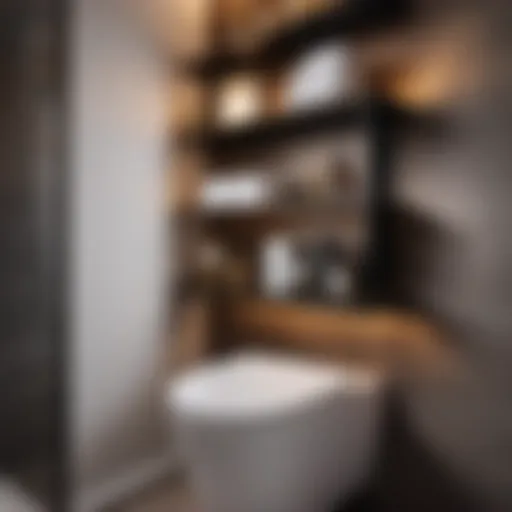
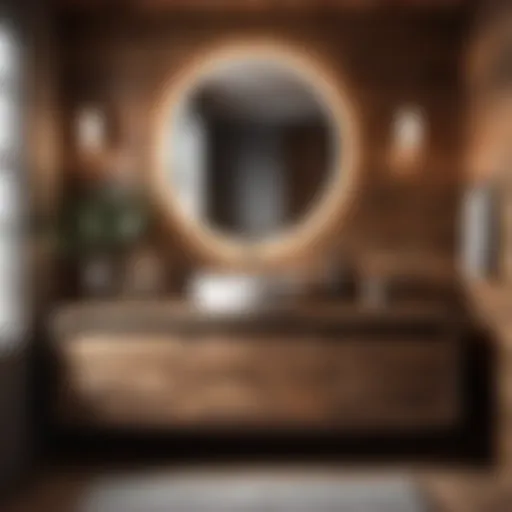
Nature-inspired designs are increasingly sought after. The goal is to bring the outside in, blurring the lines between the indoor environment and the natural world. Natural materials, such as wood, stone, and earthy colors, are central to this trend. For example, a wooden vanity or stone tiles can elevate the overall aesthetic, adding warmth and texture.
Biophilic design, which focuses on enhancing the relationship between people and nature, is another aspect to consider. It includes elements like large windows that invite ample natural light or bathroom plants that promote wellness. Choosing fixtures that have earthy finishes or selecting linens with botanical prints can also add to this natural ambiance.
Water features, such as small fountains or indoor plants that thrive in moisture, can further enhance the serene effect of a bathroom space. Not only do these approaches create a visually stunning environment, but they also support mental well-being by offering a calming atmosphere.
Incorporating nature into bathroom design isn't just an aesthetic choice; it fosters a sense of peace and balance. Whether one prefers minimalist lines or maximalist expressions, integrating organic elements can enrich the overall experience of the space, turning an ordinary bathroom into a personal retreat.
Challenges in Modern Bathroom Design
When considering the landscape of bathroom design today, it's crucial to grasp the hurdles that come with creating inviting, functional spaces. These challenges are not just minor inconveniences; they can determine the overall success of a project. Homeowners often find themselves caught between their vision for a beautiful retreat and the hard realities of budget constraints, space limitations, and environmental considerations. Each aspect of these challenges requires careful thought and smart solutions.
Homeowners need to be aware of how the demands of modern living shape the bathroom. As a private sanctuary, the bathroom should reflect personal style while also serving its main purpose efficiently. Balancing aesthetics with practicality can often feel like walking a tightrope, as striking the right balance is key to ensuring the space works well for daily routines while still appearing sophisticated and visually appealing.
"Creating a bathroom is not merely about picking tiles or fixtures. It's about weaving style into the very fabric of function."
Balancing Style and Practicality
In today’s world, many homeowners have a specific vision of what their dream bathroom should be. They dream about unique fixtures like a freestanding bathtub, sleek shower heads, and chic lighting. However, marrying these design aspirations with practical needs can be a real puzzle. For example, while an open-concept bathroom may seem appealing, it may not accommodate the realities of privacy and sound insulation.
So, what does it take to effectively balance these two elements? It starts with identifying essential functionalities alongside the desired aesthetics. Considerations might include:
- Durability: Choosing materials that withstand humidity and wear over time.
- Ease of maintenance: Opting for surfaces that are easier to clean can save ample time in the long run.
- Maximized space: Using clever storage solutions can keep the space open without sacrificing style.
Budget Constraints and Cost-effective Solutions
Another significant obstacle is budgetary limitations. Renovating or building a bathroom can rack up costs faster than one might anticipate. Homeowners are often faced with the dilemma of sticking to a modest budget while still wanting high-end finishes that exude style. Here are a few strategies to make the most of your budget:
- Prioritize Needs Over Wants: Focus on essential upgrades like plumbing fixtures or water-efficient toilets first. These investments pay off in comfort and utility.
- Shop Smart: Explore outlets or second-hand stores for one-of-a-kind pieces that come without a hefty price tag.
- DIY Where You Can: Simple tasks like painting or installing fixtures can save money and also add a personal touch to the space.
- Consult Professionals: Sometimes, spending on expert advice upfront can avoid costly mistakes down the line. Creative solutions from experienced designers can open new pathways to achieving the desired look while maintaining your budget.
Navigating the myriad of challenges in modern bathroom design can feel overwhelming. Yet with the right approach, homeowners can tackle these issues head-on, crafting remarkable spaces that combine beauty with efficiency.
Case Studies of Successful Bathroom Designs
When discussing contemporary bathroom design, focusing on case studies of successful bathroom designs can provide invaluable insights. These examples illustrate not only the creative possibilities but also practical applications of design theories in real-life scenarios. Studying these projects helps homeowners and designers alike understand how various elements come together to create functional and aesthetically pleasing environments. It’s vital to assess how choices in materials, layout, and technology have been thoughtfully employed to meet the myriad needs of users.
Residential Projects with Innovative Features
In the realm of residential bathroom design, innovation often shines through in unique features and clever use of space. One good example involves a home in Portland, Oregon, where the bathroom design fused modern functionality with rustic charm. The owners opted for reclaimed wood accents paired with sleek, contemporary fixtures. This combination not only added warmth to the space but also highlighted sustainability by incorporating eco-friendly materials. Here are some specific innovations found in this space:
- Dual-purpose vanities: The design included vanities that served as both storage and workspaces, equipped with integrated charging stations for gadgets.
- Smart showers: The installation of a digital shower system allowed for precise temperature control, plus the ability to program personalized shower settings.
- Natural light enhancement: Strategically placed skylights illuminated the space during the day while providing a seamless connection to the outdoors.
These features illustrate how practical considerations and aesthetic choices can coexist beautifully.
Commercial Spaces Redefining Bathroom Design
In commercial settings, bathrooms are often the unsung heroes of design. They need to balance high traffic with elegance while often reflecting the brand’s identity. Take, for instance, a high-end restaurant in San Francisco that recently revamped its facilities. The bathrooms were transformed into luxurious spaces that matched the overall atmosphere of the establishment. Key highlights from this project include:
- High-tech toilets: The incorporation of automatic toilets paired with heated seats and bidet functions elevated the user's experience to a new level of comfort and cleanliness.
- Artistic murals: Instead of bland walls, local artists were commissioned to create stunning murals, making the bathroom experience something memorable.
- Sustainable fixtures: Water-saving faucets and toilets were installed in alignment with the restaurant’s commitment to sustainable practices.
These innovations illustrate how commercial bathrooms can be both functional and luxurious. They serve as a testament to how thoughtful design can enhance user experience while also reflecting a strong brand ethos.
By examining these case studies, homeowners can draw inspiration for their own renovations, showcasing that even in the smallest spaces, creativity and function can thrive hand-in-hand.
With these insights, both individuals planning their residential renovations and commercial designers can glean ideas that are not just innovative but practical, paving the way for the next generation of bathroom design.
Finale: The Future of Bathroom Design
The conclusion of this exploration into bathroom design serves as a springboard into what lies ahead. Understanding the future of bathroom design is not just about keeping up with trends; it revolves around creating spaces that resonate with the evolving lifestyles of homeowners. As the world changes—fast and furiously—so do our needs and desires in our homes. The bathroom, often a sanctuary amid the hustle and bustle, must adapt to reflect our values and daily routines while being mindful of the environment.
Anticipated Innovations and Trends
In the coming years, several innovations will reshape how we think about bathroom spaces.
- Smart Technology: Imagine a bathroom that anticipates your needs. From smart mirrors that display your schedule to showers that adjust temperatures automatically, technology will play a pivotal role.
- Water Conservation: With a greater collective awareness of sustainability, innovations like low-flow fixtures and greywater recycling systems are becoming commonplace. Homeowners will not only seek aesthetics but also practicality that respects the environment.
- Biophilic Design: Incorporating nature is all the rage. Expect to see increased use of organic materials and greenery, creating a soothing, zen-like atmosphere to counterbalance the chaos of life outside.
- Flexible Spaces: Bathrooms will transform into multifunctional zones. Features like movable partitions that allow the space to shift from a family retreat to a personal spa will gain traction.
These trends offer endless opportunities to enhance bathrooms into places that are more than just utilitarian spaces. This evolution brings with it an invitation for creativity and personalization, allowing homeowners to stamp their unique style into every nook and cranny.
The Role of Homeowners in Shaping Design Choices
Homeowners are no longer passive participants in the design of their spaces. They influence designs through persona preference and by making choices that reflect their individuality.
- Direct Engagement: The internet allows homeowners to research and discuss ideas in real time. Platforms like Reddit and Facebook are hubs for sharing advice, discovering new designs, and sourcing inspiration from all corners of the globe.
- Collaboration with Designers: In this new dynamic, homeowners often collaborate with designers more closely, pushing creative boundaries. Their tastes and daily routines inform decisions in layout and materials, leading to a more personal touch in the final design.
- Emphasis on Resale Value: As financial investment plays a significant role, homeowners weigh trends based on their potential impact on property value. They want to ensure that what they select enhances not only their enjoyment but also the home’s marketability.
The reassurance that you can blend personal style with practicality makes the future of bathroom design all the more inviting. Ensuring our spaces reflect our personal ethos—while significantly accommodating functionality—will shape how bathrooms are viewed in contemporary homes.