A Comprehensive Guide to Innovative Kitchen and Bath Design Trends
Materials:
- 20 square feet of quartz countertop material (exact measurement: 7 feet x 3 feet)
- 15 linear feet of stainless steel backsplash (exact measurement: 15 feet x 1 foot)
- 10 cabinet handles
- 5 gallons of high-quality paint (specific color code: #FFFFFF)
- 2 large pendant lights
- 1 kitchen faucet set (brand: XYZ, chrome finish)
DIY Steps:
- Measure kitchen area accurately to determine required countertop size.
- Select and purchase quartz countertop material according to measurements.
- Install stainless steel backsplash along the length of the countertop.
- Attach cabinet handles securely to each cabinet door.
- Paint kitchen walls with high-quality paint to give a fresh look.
- Hang pendant lights above the countertop for added illumination.
- Install the kitchen faucet set as per manufacturer's instructions.
Technical Aspects:
- Tools: Measuring tape, drill, screwdriver, paintbrushes
- Timing: Approximately 2 days for complete installation
- Critical Techniques: Proper measuring for accurate fitting, secure handle attachment
DIY Project Process:
- Start by measuring and marking the area for the countertop installation.
- Cut the quartz material to fit the dimensions accurately.
- Securely attach the countertop to the base cabinets.
- Measure and cut the stainless steel backsplash to align with the countertop.
- Use appropriate adhesive to affix the backsplash to the wall.
- Position and fasten the cabinet handles at uniform intervals.
- Apply multiple coats of paint to achieve desired coverage.
- Hang pendant lights at optimal height above the countertop.
- Connect the kitchen faucet set following the manufacturer's guidelines.
Troubleshooting Tips:
- If the countertop doesn't fit perfectly, adjust by trimming the edges carefully.
- In case of paint drips or smudges, sand and repaint the affected areas.
- For uneven pendant light placement, use a level for precise adjustment.
Introduction
In the realm of home design, the kitchen and the bathroom stand out as crucial spaces that not only serve practical functions but also embody the essence of a well-designed home. The introduction serves as the gateway to the world of absolute kitchen and bath design, offering a holistic view of what readers can expect in this comprehensive guide. It illuminates the significance of these spaces, emphasizing their role in daily life and overall well-being.
Importance of the Topic
The introduction sets the stage for understanding the intricacies of absolute kitchen and bath design, shedding light on the importance of functional and aesthetically pleasing spaces. In this article, readers will embark on a journey through the latest trends, expert tips, and innovative materials that define modern kitchen and bath design. By delving into these areas, individuals can transform their homes into havens of relaxation, efficiency, and style.
Specific Elements, Benefits, Considerations
Within the introduction, specific elements such as layout, lighting, materials, and fixtures will be explored in-depth to provide a comprehensive understanding of what goes into creating the ideal kitchen and bath spaces. Benefits ranging from enhanced functionality to increased property value will be highlighted, showcasing the tangible advantages of investing in quality design. Considerations regarding cost-effective renovation strategies, sustainable practices, and working with design professionals will also be discussed to equip readers with practical insights for their own projects.
By offering a detailed overview of the scope and significance of absolute kitchen and bath design, this introduction aims to captivate housewives and homeowners alike, guiding them towards transformative design decisions that elevate their living spaces to new heights of elegance and practicality.
Understanding Absolute Kitchen Design
The section on Understanding Absolute Kitchen Design in this comprehensive guide plays a crucial role in unraveling the intricacies of creating the perfect kitchen space that balances functionality and style seamlessly. Delving deep into the fundamental principles of kitchen design, this segment sheds light on various key elements that can elevate the overall aesthetic and practical appeal of any kitchen.
Within the realm of Key Elements of Absolute Kitchen Design, emphasis is placed on critical factors that significantly influence the design process. Firstly, The Role of Layout and Flow stands out as a cornerstone aspect, shaping how the space is utilized and navigated. A well-thought-out layout ensures effective workflow, enhances accessibility, and optimizes the use of kitchen space. The seamless integration of layout and flow is paramount in ensuring a harmonious and efficient kitchen environment that caters to the needs of the occupants.
Moving on to the Importance of Lighting, this element highlights the transformative power of lighting in accentuating design features and creating ambiance. Proper lighting not only illuminates the kitchen but also sets the mood, enhances tasks such as food preparation, and adds a decorative touch to the space. By selecting suitable lighting fixtures and placement, homeowners can enhance the visual appeal and functionality of their kitchen, creating a welcoming and well-lit environment.
Furthermore, the Selection of High-Quality Materials underscores the significance of choosing premium materials for various kitchen components. Opting for high-quality materials ensures durability, longevity, and a luxurious finish for kitchen surfaces, cabinets, and appliances. Investing in superior materials not only elevates the overall aesthetic appeal of the kitchen but also guarantees longevity and robustness, making it a prudent choice for homeowners seeking a timeless and durable kitchen design.
Innovative Trends in Kitchen Design expounds upon contemporary design approaches that are shaping the culinary spaces of today and tomorrow. Delving into Smart Technology Integration, this trend explores the fusion of technology with kitchen functionality, offering convenient solutions for modern-day living. By incorporating smart appliances, automated systems, and integrated technology, homeowners can streamline tasks, improve efficiency, and enhance the overall kitchen experience.
Moreover, Sustainable Practices encompass eco-friendly design solutions that prioritize environmental conservation and sustainability in kitchen design. From energy-efficient appliances to recycled materials and water-saving fixtures, sustainable practices promote responsible living while reducing the carbon footprint of the kitchen space. Embracing sustainable design not only benefits the planet but also creates a healthier living environment for occupants, aligning with the ethos of conscious consumption and green living.
Lastly, Minimalist Approaches showcase a design philosophy that celebrates simplicity, functionality, and minimalism in kitchen design. By adopting clean lines, clutter-free spaces, and a minimalist color palette, homeowners can achieve a sense of calm, spaciousness, and timeless elegance in their kitchen. Minimalist approaches promote organization, visual harmony, and a focus on essential elements, creating a zen-like atmosphere that exudes sophistication and serenity in the kitchen.
Optimizing Bath Spaces
When it comes to creating a functional and visually appealing bathroom, optimizing bath spaces plays a crucial role in the overall design process. Ensuring that every element of the bathroom serves a purpose while maintaining style and efficiency is essential. By focusing on optimizing bath spaces, homeowners can enhance the usability and aesthetics of one of the most utilized areas in the house.
Essential Features of Functional Bathrooms
Efficient Storage Solutions
Efficient storage solutions are a cornerstone of functional bathroom design. Incorporating clever storage options like built-in cabinets, floating shelves, and under-sink organizers can help maximize space and keep toiletries and linens organized. The key characteristic of efficient storage solutions lies in their ability to declutter the bathroom while adding a touch of sophistication. Homeowners benefit from the streamlined look and practicality these solutions offer, making them a popular choice in modern bathroom designs. Despite their advantages, it is essential to consider the maintenance and accessibility of such storage solutions to ensure they remain practical in the long run.
Appropriate Fixture Selection
Selecting appropriate fixtures for the bathroom is paramount in achieving a cohesive and functional space. From faucets and showerheads to vanities and mirrors, each fixture contributes to the overall ambiance and usability of the bathroom. Choosing fixtures that align with the design theme and match the size of the space is crucial. The unique feature of appropriate fixture selection is its ability to elevate the aesthetics of the bathroom while fulfilling practical needs. However, homeowners should carefully weigh the pros and cons of different fixtures to ensure they align with the goals of the bathroom design.
Ventilation Considerations
Proper ventilation is often overlooked but is essential for maintaining a healthy and comfortable bathroom environment. Ventilation considerations involve selecting the right fan or window placement to prevent mold, mildew, and humidity build-up. The key characteristic of ventilation solutions is their ability to promote air circulation and regulate moisture levels effectively. Homeowners benefit from improved air quality and reduced maintenance issues when ventilation is optimized. However, it's essential to assess the noise levels and energy efficiency of ventilation systems to ensure they are suitable for the home.
Luxury Touches in Bathroom Design
Luxury touches in bathroom design add a touch of opulence and sophistication to the space, transforming it into a private sanctuary for relaxation and rejuvenation. By incorporating spa-inspired elements, heated flooring options, and customized vanity designs, homeowners can elevate the bathroom to a luxurious retreat that exudes comfort and style.
Spa-Inspired Elements
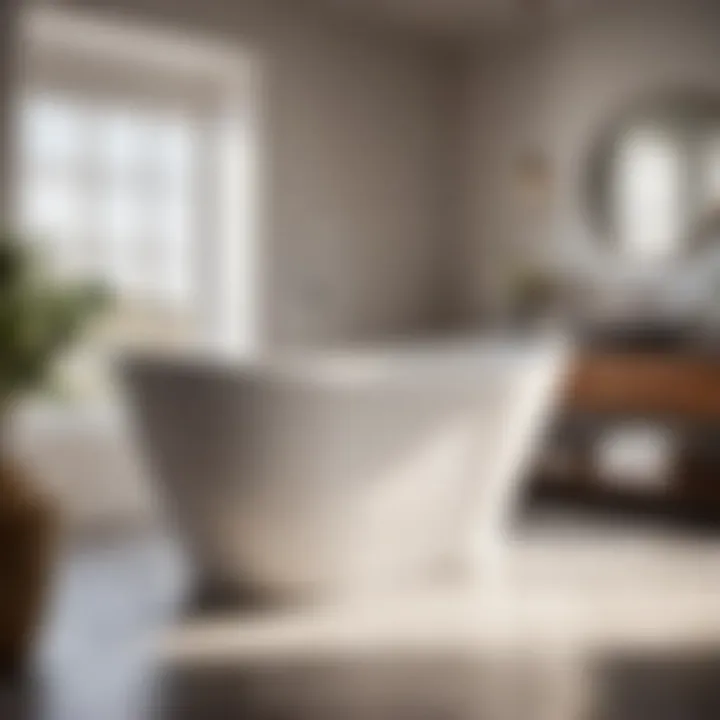
Introducing spa-inspired elements like rainfall showerheads, freestanding tubs, and natural stone accents can create a tranquil spa-like atmosphere in the bathroom. The key characteristic of spa-inspired elements lies in their ability to evoke a sense of relaxation and luxury within the confines of a residential space. Homeowners can unwind after a long day and indulge in a spa-like experience without leaving the comfort of their home. However, it's important to consider the maintenance requirements and cost implications of such indulgent features.
Heated Flooring Options
Heated flooring options provide a luxurious upgrade to the bathroom by keeping the floors warm and cozy, especially during the colder months. The key characteristic of heated flooring is its ability to enhance comfort and add a touch of extravagance to the space. Homeowners appreciate the comfort and warmth provided by heated floors, creating a spa-like ambiance in the bathroom. Yet, it's essential to weigh the installation costs and energy efficiency of heated flooring systems to determine their feasibility.
Customized Vanity Designs
Customized vanity designs offer a personalized and stylish solution for storage and grooming needs in the bathroom. Tailoring vanities to specific dimensions and material choices can transform the space and reflect the homeowner's unique style. The unique feature of customized vanity designs is their ability to blend functionality with aesthetics seamlessly. Homeowners can benefit from ample storage, customized layouts, and exclusive designs that cater to their specific requirements. However, it's advisable to consider the budget and maintenance aspects of customized vanities to ensure they align with long-term needs.
Practical Tips for Renovating Kitchen and Bath Areas
In the realm of kitchen and bath design, practical tips for renovation play a pivotal role in ensuring that the spaces not only look aesthetically pleasing but also function efficiently. This section is dedicated to providing invaluable insights on how to revamp these areas effectively, offering a balance between cost-effectiveness and transformative results.
Budget-Friendly Renovation Strategies
Refacing Cabinets Instead of Replacing
Refacing cabinets instead of replacing them is a strategic approach that can bring a fresh look to your kitchen or bath without the hefty price tag of entirely new cabinetry. By retaining the existing cabinet frames and structure, you can update the outward appearance by replacing doors, drawer fronts, and hardware. This method not only saves money but also minimizes the time and labor involved in a full cabinet replacement. The key benefit of refacing cabinets is its ability to give a new aesthetic appeal to the space while maximizing the functionality of the existing layout. However, disadvantages may include limited design changes due to working with existing structures.
Upcycling Existing Fixtures
Upcycling existing fixtures is a sustainable and creative way to breathe new life into your kitchen and bath spaces. This process involves repurposing old materials or elements to create something unique and stylish. By upcycling fixtures such as countertops, sinks, or lighting fixtures, you can add a touch of personality to your rooms while reducing waste. The key characteristic of upcycling is its eco-friendly nature, promoting sustainability through the reuse of items that would otherwise be discarded. However, challenges may arise in finding suitable pieces for upcycling and ensuring they align with the design vision.
DIY Painting Techniques
DIY painting techniques offer a budget-friendly way to transform the look of your kitchen and bath areas without extensive renovation costs. Whether repainting cabinets, refinishing countertops, or adding a decorative accent wall, painting can create a significant visual impact. The key advantage of DIY painting is the control it gives you over color choices and design preferences, allowing for a personalized touch to your space. However, disadvantages may include the time and effort required for proper surface preparation and finishing, as well as the need for quality paint products to ensure long-lasting results.
Working with Design Professionals
Collaborating with Interior Designers
Collaborating with interior designers can elevate the renovation experience by bringing expertise and creative vision to your project. Design professionals excel in space planning, color coordination, and material selection, ensuring cohesive and functional designs. By working with an interior designer, you can benefit from tailored solutions that meet your specific needs and aesthetic preferences. The key advantage of collaborating with interior designers is access to industry knowledge and trends, resulting in a professionally curated space. However, potential disadvantages may include additional design fees and the need to align design preferences with the designer's recommendations.
Hiring Experienced Contractors
Hiring experienced contractors is essential for executing renovation projects efficiently and with quality craftsmanship. Contractors with a proven track record bring technical skill and industry know-how to the table, ensuring that work is completed to high standards. By entrusting the renovation to experienced professionals, you can have peace of mind knowing that the project is in capable hands. The key characteristic of hiring experienced contractors is the reliability and efficiency they offer in bringing your design vision to life. However, disadvantages may include higher labor costs and the need for clear communication to ensure project expectations are met.
Securing Necessary Permits
Securing necessary permits is a crucial step in the renovation process to avoid legal complications and ensure compliance with building codes. Depending on the scope of your project, permits may be required for structural changes, plumbing or electrical work, or additions to the property. The key advantage of obtaining permits is the assurance that your renovation meets safety standards and regulations, preventing issues down the line. However, disadvantages may include bureaucratic processes, additional time for permit approvals, and potential costs associated with obtaining permits.
Incorporating Sustainability in Kitchen and Bath Design
In the realm of absolute kitchen and bath design, the incorporation of sustainability is pivotal in enhancing not only the functionality and aesthetics of these spaces but also in contributing to a more environmentally conscious approach to design. This section will delve into the significance of sustainability in kitchen and bath design within the context of our comprehensive guide.
Green Building Materials and Practices
Energy-Efficient Appliances
Energy-efficient appliances play a crucial role in sustainable kitchen and bath design. By opting for appliances that are designed to consume less energy while maintaining high performance standards, homeowners can reduce their carbon footprint and decrease energy costs significantly. The key characteristic of energy-efficient appliances lies in their ability to operate using minimal resources without compromising on functionality. This makes them a popular choice for those looking to create eco-friendly kitchen and bath spaces. One unique feature of these appliances is their smart technology that adjusts settings to optimize energy usage, ultimately leading to long-term cost savings. While the initial cost may be slightly higher than traditional appliances, the advantages of reduced energy consumption and lower utility bills make them a worthwhile investment when incorporating sustainability into kitchen and bath design.
Recycled or Upcycled Materials
The utilization of recycled or upcycled materials is another essential aspect of sustainable kitchen and bath design. By repurposing materials such as reclaimed wood, glass, or metal, homeowners can reduce waste generation and decrease the demand for new resources. The key characteristic of these materials lies in their ability to add a unique and eco-friendly touch to the design. Using recycled or upcycled materials not only benefits the environment by minimizing landfill waste but also adds a sense of character and history to the spaces. One of the unique features of these materials is that they can be customized to suit individual design preferences, offering a one-of-a-kind look to kitchen and bath areas. While their availability may vary, the advantages of contributing to a circular economy and reducing environmental impact make them a valuable choice in sustainable design practices.
Water-Saving Fixtures
Integrating water-saving fixtures is paramount in sustainable kitchen and bath design, contributing to conservation efforts and promoting efficient water usage. These fixtures are designed to minimize water wastage without compromising on performance, making them a beneficial choice for eco-conscious homeowners. The key characteristic of water-saving fixtures lies in their ability to regulate water flow and pressure, ensuring that only the necessary amount of water is utilized for various tasks. One unique feature of these fixtures is their advanced technology that allows for customization of water usage based on specific needs, thus promoting conservation and reducing utility costs. While the initial investment might be slightly higher than conventional fixtures, the advantages of long-term water savings and environmental impact reduction make water-saving fixtures a worthy addition to sustainable kitchen and bath designs.
Conclusion
In this comprehensive guide on exploring Absolute Kitchen and Bath, the conclusion serves as the vital wrap-up to consolidate all the essential elements discussed throughout the article. A well-crafted conclusion is more than just a summary; it encapsulates the key takeaways, benefits, and considerations that resonate with both novice and seasoned house owners seeking to elevate their living spaces. This article has meticulously dissected every aspect from planning to execution, providing a holistic view of designing absolute kitchen and bath spaces.
The conclusion of this guide emphasizes the significance of meticulous planning, thoughtful design choices, and expert execution in transforming your kitchen and bath areas. By meticulously curating elements such as layout, lighting, materials, fixtures, and innovative trends, house owners can create functional yet stylish spaces that seamlessly blend aesthetics with practicality. Moreover, sustainable practices and green building materials are highlighted as crucial considerations for environmentally conscious individuals looking to reduce their carbon footprint.
Furthermore, the conclusion sheds light on the transformative power of incorporating luxury touches into bathroom design, such as spa-inspired elements, heated flooring options, and customized vanity designs. These indulgent additions not only elevate the ambiance of the space but also enhance the overall bathing experience, turning mundane routines into luxurious retreats. Whether it's optimizing storage solutions, selecting the right fixtures, or integrating smart technologies, this guide underscores the importance of attention to detail in maximizing the efficiency and visual appeal of kitchen and bath spaces.
In essence, the conclusion of this article serves as a manifesto for housewives and homeowners to approach kitchen and bath design with a blend of creativity, functionality, and sustainability in mind. By following the expert tips, innovative trends, and budget-friendly renovation strategies outlined in this guide, readers are equipped with the knowledge and inspiration to embark on their design journey confidently. Ultimately, the goal is to help individuals achieve spaces that not only reflect their personal style but also enhance their daily living experiences, making every moment spent in the kitchen and bath a delight.