Color Strategies for Small Bathrooms Without Windows
Intro
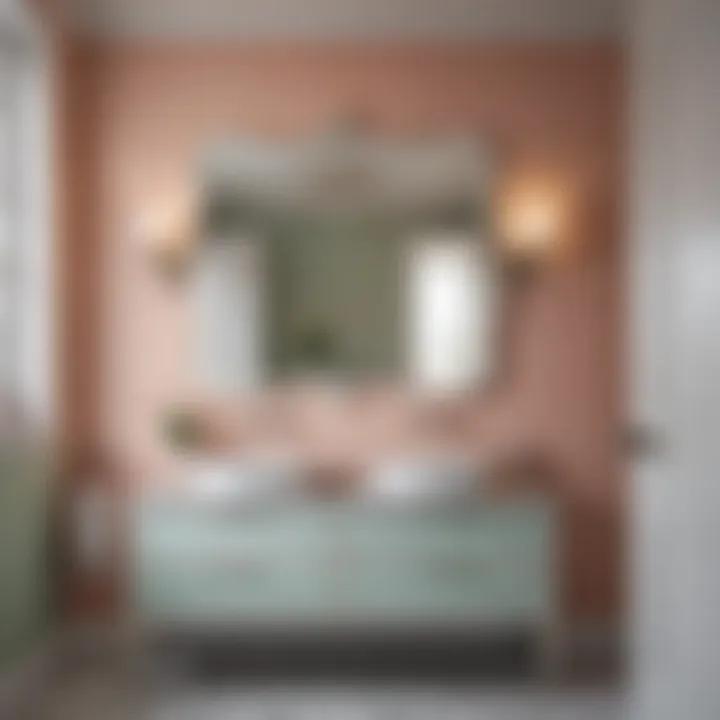
When diving into the decorating world, especially in small spaces like bathrooms lacking windows, color choices become a crucial part of the equation. You might feel the pinch when those sunrays don’t splash against the walls, but fret not! The right hues can turn a drab, dim bathroom into a bright oasis. This guide will help you navigate the color palette that not only enhances light but also boosts mood and reflects personal style. With the right approach, you can upgrade your home even in a windowless room.
Materials:
To embark on this vibrant journey, having the right materials at your fingertips is essential. Here’s a list to get you started. Ensure you gather these items with precision:
- Paint: 1-2 gallons of high-quality satin or semi-gloss finish paint in your chosen colors.
- Primer: 1 gallon of primer to prep the walls.
- Painter’s Tape: A roll to protect surfaces you don’t want painted.
- Drop Cloths: At least 2, to cover fixtures and floors.
- Paint Brushes: One broad brush for walls and another smaller one for corners.
- Rollers: One roller with a ⅜ inch nap for smooth application.
- Paint Tray: For easy roller loading.
- Ladder: A stepladder to reach higher areas safely.
- Sandpaper: Fine-grit (220) to smooth out surfaces if necessary.
- Sponges/Rags: For clean-up.
- Sealer: A water-resistant sealant for areas exposed to moisture.
- Color Samples: Swatches of your selected paint colors to visualize them on the wall.
DIY Steps:
Now that you have your materials gathered, let’s break this down into a step-by-step guide. This is where all the fun happens:
- Prep the space: Clear out all items from your bathroom. Move furniture and cover anything that cannot be moved with drop cloths.
- Clean the walls: Dust and wipe down any surfaces to ensure a smooth paint application. Use a mild detergent if necessary.
- Patch up: If there are any holes or imperfections, fill them with spackle and sand them smooth. Let it dry thoroughly.
- Prime the walls: Apply primer evenly with a roller and brush, particularly over patched areas. This step is crucial for preventing paint from soaking into patches.
- Choose color carefully: With your color samples in hand, test them out on the walls and observe how the light reflects at different times of the day. You may want a softer shade to alleviate the dimness.
- Paint the walls: Once the primer is dry, grab your paint and start applying it with the roller, using the brush for corners. Work in sections, blending as you go to avoid streaks.
- Allow to dry: Follow the paint manufacturer’s recommendations for drying time. Usually, 2-4 hours is sufficient, but give it a full day for a second coat if you need it.
- Finishing touches: After drying, remove the painter’s tape carefully, and touch up any areas needing an extra bit of love.
Technical Aspects:
Here’s the nitty-gritty: the tools and timing can affect the quality of your work significantly. Pay attention to these details:
- Tools Needed:
- Time Required: Expect to spend at least a full day for prep and painting, including drying time. If you’re a perfectionist, a second day may be wise for touch-ups.
- Critical Techniques: Consider using a paint conditioner for a smoother finish, especially if painting in cooler temperatures. Also, layering lighter colors over darker ones can help achieve the desired brightness.
- Roller and paintbrush for application.
- Ladder to reach higher spots.
- Sandpaper for surface preparation.
DIY project Process:
Following the painting, there are some additional steps to maximize your bathroom’s new look:
- Reinstall Fixtures: Once the paint is fully dry, cautiously reinstall any hardware and fixtures you removed.
- Accessorize Wisely: Thoughtful decor placements can further enhance your color choices. Consider brighter accessories like towels and a shower curtain.
- Lighting Improvements: Consider upgrading your lighting to fixtures that reflect a warm light, which can create an inviting atmosphere even without natural light.
Troubleshooting Tips:
- Paint not covering well?: Ensure the primer applied properly. If not, a better primer or an extra coat might solve the issue.
- Uneven patches?: Just a quick touch-up with a brush can save the day.
- Too dark?: If the color feels too murky post-application, consider white or lighter accents to counterbalance input.
"Color transforms spaces and moods, especially in a space that lacks light. Be strategic in your choices."
By following these methods, your bathroom can transition from a dimly-lit cave to a charming space of tranquility, even without a hint of natural light.
Understanding the Challenge of Windowless Bathrooms
In the world of interior design, small bathrooms lacking natural light pose a unique set of challenges. These spaces often feel constricted, even claustrophobic, and can have a significant impact on how one experiences the bathroom. When you're working with limited square footage and no source of daylight, the color choices become critical. Choosing the right colors can transform these dark boxes into inviting, functional spaces that seem larger and more welcoming.
The Impact of Natural Light
Natural light is our most effective tool for spatial perception. It brings warmth, creates depth, and adds dynamism to any room. In bathrooms where natural light is absent, artificial lighting becomes the primary source of illumination. To compensate for this lack, colors should be selected to mimic natural light’s uplifting qualities. Ideally, light, reflective colors play a role in making the smallest space feel expansive. Pale shades like soft whites or gentle creams have a way of bouncing artificial light around, enhancing clarity and brightness.
Key Takeaway: Without natural light, the bathroom can fall flat both visually and in mood. A strategic approach to color can start breathing life into these spaces.
Psychological Responses to Light and Space
Color goes beyond aesthetic appeal; it influences our feelings and perceptions dramatically. In a room where windowless conditions create a confined atmosphere, choosing uplifting hues can combat feelings of gloominess. Colors like soft blues, muted greens, and pale yellows have a psychological effect, often associated with open spaces and outdoor environments. This is essential in windowless bathrooms, where the absence of natural elements can lead to a sense of disconnect.
Research shows that lighter colors can enhance mood and foster relaxation, making the bathroom a sanctuary rather than a dreary retreat. The right shades can create an illusion of space, reducing the psychological stress often associated with small, dim areas.
In summary, understanding how light impacts these intimate spaces can guide effective design choices, enhancing not only the appearance of the bathroom, but also the emotional experience of using it.
Fundamentals of Color Theory
Color theory is an essential foundation in understanding how colors interact and the impact they have on spaces, particularly small bathrooms without natural light. In these confined areas, the right color choices can not only affect the perception of space but also influence mood and feelings. By grasping the basics of color theory, homeowners can make informed decisions that enhance the overall atmosphere of their bathrooms, turning an otherwise dreary space into a vibrant retreat.
When picking out colors, a few specific elements must be taken into account. Primary colors, which include red, blue, and yellow, serve as building blocks for creating an infinite range of hues. This trio is fundamental because any color we see is likely a mix of these components. Knowing how to blend colors allows for unlimited creativity in a small bathroom setting.
Additionally, understanding warm and cool tones helps in setting the right temperature in such spaces. Warm tones like reds and oranges tend to evoke coziness while cool tones like blues and greens can lead to a calming and airy feel.
Neutral colors play a balancing act, providing stability in an otherwise vibrant color palette. They can soften stark contrasts and create a harmonious space that feels larger and more inviting. Especially in small bathrooms lacking in light, a well-thought-out color balance can work wonders, helping to alleviate feelings of confinement.
"Colors have a remarkable influence on our perceptions and experiences, especially in confined spaces. Sizing up how they work together can radically alter your small bathroom's vibe."
The benefits of understanding color theory go beyond mere aesthetics. It’s about creating functional spaces that cater to comfort and usability. Carefully chosen colors can assist in making a small windowless bathroom feel less cramped and more inviting, enhancing both its operational and visual qualities. Let's delve deeper into specific aspects of color and how they can be effectively utilized.
Primary Colors and Their Effects
Primary colors are the foundation of any color palette. Red, yellow, and blue are the building blocks from which countless shades emerge. Red can infuse energy and vibrancy into a space, drawing attention immediately. A brave use of a red accent wall, perhaps, can create a dramatic backdrop for a minimalistic bathroom. Yellow, associated with happiness and warmth, works wonders in promoting an uplifting atmosphere. It can reflect any available light, adding a sense of brightness to a space that lacks windows. Blue, on the other hand, evokes calmness and tranquility, perfect for those long, relaxing baths.
Warm vs. Cool Tones
The distinction between warm and cool tones is crucial in achieving the desired ambiance in a small, light-deficient bathroom. Warm tones such as reds, oranges, and yellows offer a sense of intimacy, making the space feel cozy. These hues can be particularly comforting in spaces used for personal rituals like bathing or preparing for the day. In contrast, cool tones—think of shades of blue, green, and violet—can create an impression of airiness and spaciousness. They are ideal for an atmosphere of relaxation and serenity, reminiscent of a refreshing spa experience.
Choosing between these tones can depend on the mood desired. For example, a blend of warm and cool can strike a balance, creating depth and visual interest in the confines of a small space.
Neutral Colors: The Balancers
Neutral colors—grays, beige, whites, and taupes—often perform as the unsung heroes in color theory. They lend a sense of stability and act as a counterweight to more vibrant shades. In a bathroom without natural light, neutrals can help open up the space, making it feel larger and airier.
Utilizing a light beige or soft gray can reflect artificial light, thus brightening the area. They also serve as excellent backgrounds for bold accents, allowing bright colors and patterns to pop without overwhelming the senses.
By strategically incorporating neutral colors, one can achieve an elegant balance, ensuring that the space is not only aesthetically pleasing but also an inviting haven.
Understanding the fundamentals of color theory allows for informed decisions when designing a windowless bathroom. Striking the right balance and employing color wisely can drastically improve its look and feel.
Color Palettes for Small Bathrooms
Choosing the right color palette for a small bathroom that lacks natural light is not just a matter of aesthetics; it significantly influences the perception of space and mood. With limited sunlight, the color selection becomes paramount to create a sense of brightness and openness. A well-thought-out palette can make even the tiniest washroom feel serene and inviting. This section dives into various color schemes suitable for such environments, emphasizing their benefits and considerations.
Monochromatic Schemes
Monochromatic color schemes involve the use of varying shades of a single hue. This approach can simplify the design process while producing an elegantly unified look. Using one color provides a harmonious atmosphere. For instance, light gray can be paired with darker gray accessories—towels, shelves, or even a sleek mirror frame—to create depth without introducing jarring contrasts.
In addition, this scheme often maximizes the sense of space. A continuous color can trick the eye into perceiving the area as larger. It’s like giving the walls a soft embrace, leading to a calming environment, perfect for unwinding after a long day. However, it is crucial to incorporate contrasting textures or finishes to prevent the monotony. Glossy tiles paired with matte paint can effectively distinguish surfaces while keeping the palette cohesive.
Complementary Colors
Complementary color schemes involve colors opposite each other on the color wheel. For small bathrooms, this technique can introduce a vibrant pop while maintaining balance. For example, a warm yellow can be combined with a cool blue. The yellow injects cheerfulness, while the blue adds tranquility. Together, they can create an invigorating yet refreshing atmosphere.
Using complementary colors requires caution; too much contrast might overwhelm a compact space. Therefore, it's advisable to use one color as the dominant shade, leaving the other for accents. Bath towels, decorative accessories, or even artwork can serve to establish that joyful contrast without hampering the overall flow.
Analogous Colors
Analogous colors lie next to each other on the color wheel and provide a less jarring transition compared to complementary schemes. This option is perfect for fostering a subtle yet rich visual experience. For instance, using shades of soft blue, teal, and seafoam green will create a serene and cohesive look in a small bathroom.
One major advantage of this palette is that it naturally evokes feelings of calm and harmony. Choosing these adjacent hues helps maintain a sense of unity while allowing for variety in your space's visual elements. For accessorizing, look for features that echo the color story—maybe a shower curtain embracing those sea greens, balanced by soft blue towels. Such an arrangement draws the eye fluidly around the room.
Before making a decision, visualize how your chosen palette interacts with existing features like fixtures and flooring. Considerations for light—whether it’s from fixtures you choose or any borrowed sunlight—play a significant role in how color appears.
Choosing the Right Shades for Illumination
Selecting the appropriate shades for illumination in windowless bathrooms isn’t just about slapping a fresh coat of paint on the walls. It’s a strategic approach to cultivate an inviting ambiance that counters the limitations of insufficient natural light. Poor lighting can make even the trendiest design choices feel drab and uninspired. Thus, understanding how different shades affect brightness and perception is paramount.
Light color shades serve two key roles. First, they reflect artificial light, making spaces feel more open and airy. Second, these shades can affect your mood, creating a sense of calm or vibrancy. For housewives and homeowners, this means feeling comfortable and relaxed while using the space, transforming it from just a functional area into a personal retreat.
Soft Whites and Creams
Soft whites and creams act like a blank canvas. They are versatile and can harmonize beautifully with various decor styles. Picture the soft glow of morning light reflecting off a white surface—this is what you want to mimic in a windowless bathroom.
"Soft whites bring a sense of spaciousness and clarity, perfect for darker spaces."
Choosing warmer white tones or creams gives warmth that makes the bathroom feel inviting, without the starkness that can come from cooler whites. Here are some tips to consider:
- Light Reflection: The more reflective the color, the more light it bounces back, illuminating the room.
- Application: Use soft whites for larger wall surfaces while pairing them with creamy or off-white details on trims and moldings to create warmth and contrast.
Pale Pastels for a Subtle Touch
If you want to introduce a hint of color without overwhelming the senses, pale pastels are your go-to. Think of muted shades like lavender, mint green, or blush pink. These colors keep the bathroom feeling fresh and vibrant while adding personality.
Pale pastels work wonders because they can brighten up the room while still keeping the atmosphere serene. Consider using them on one accent wall if you want to add a little depth. Here’s why they can shine:
- Calming Effect: Soft pastel colors promote relaxation, enhancing the overall mood.
- Combination: They pair well with whites and creams, creating a pleasing color palette that feels cohesive yet dynamic.
Bold Accents: Risk and Reward
In some cases, a splash of bold color can inject life into a small bathroom. Shades like deep navy, forest green, or even a vibrant coral can serve as striking accents. However, these bold choices come with their own set of considerations.
While being bold can make a statement, it’s essential to use these shades sparingly—think about your trim, accessories, or even one wall. The goals here are:
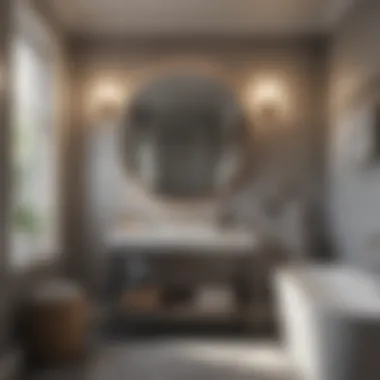
- Creating Depth: A well-placed dark color can create a stunning focal point without making the area feel claustrophobic.
- Balancing Contrast: Pair bold colors with softer tones to break up the intensity and keep the room feeling balanced.
Textures and Finishes to Complement Colors
Selecting the right textures and finishes presents an underappreciated yet crucial opportunity to enhance the overall color experience in small bathrooms. In spaces that lack natural light, textures can help redirect any available illumination, creating a sense of brightness and depth. It's a marriage of visual appeal and practical nuance; using these elements strategically allows homeowners to transform a dim environment into a more inviting atmosphere.
Textures are not just about aesthetics, though—they play a significant role in how colors are perceived. A glossy finish can amplify the luminance of a bathroom, while a matte one often contributes to a cozy and sophisticated ambiance. Each finish has its unique qualities, and selecting the right one can help not just elevate the visual design but also create a sensory experience that speaks volumes to anyone entering the space.
Moreover, incorporating the right textures can help create an inviting tactile experience. People inherently gravitate towards warmth and comfort. When a bathroom possesses varied textures—be it through tiles, paint finishes, or fixtures—it introduces depth that keeps the eyes moving, making the space feel larger and more complex than its actual dimensions. Therefore, understanding how to harness these elements will not only elevate the aesthetic appeal but also ensure practicality and comfort in daily use.
Glossy Finishes for Increased Shine
Glossy finishes can profoundly enhance a small, windowless bathroom’s illumination by reflecting artificial light. Think of it like a shining beacon, giving the illusion of more space while inviting vitality into every corner. As light hits these surfaces, it bounces around, creating what feels like an airy atmosphere, even in the tightest of quarters.
These finishes are particularly effective on walls and cabinets. For instance, a rich, vibrant navy blue with a high-gloss sheen can infuse elegance into the bathroom while reflecting any light sources. A few considerations arise with glossy surfaces, however. They may show fingerprints and smudges more clearly, so maintenance becomes a necessary part of the appeal. Nevertheless, for those willing to balance the shine with upkeep, the aesthetic rewards are often worth the effort.
"The way light plays off a glossy surface can give life to even the most color-saturated shades."
Matte Finishes and Their Sophistication
On the opposite end of the spectrum lies the matte finish—much adored for its refined touch. For small bathrooms, matte finishes soften harsh lines and create an inviting environment, embodying sophistication. These surfaces absorb light rather than reflect it, adding an element of intimacy that feels calm and grounding.
Using matte paint or tiles can lend a cozy feel to space. For example, a soft sage green or a dusty blush on the walls paired with matte ceramic tiles can invoke a serene spa-like atmosphere, perfect for winding down at the end of the day. One should also be mindful of the maintenance factor, as matte finishes can be less forgiving when it comes to cleaning and might require special care to maintain their appealing characteristics.
Natural Materials for Earthy Tones
Natural materials shine when it comes to enriching a color scheme with earthy tones. Think reclaimed wood, stone, or bamboo; these textures evoke a sense of connection to nature, an essential truce for those trapped in a windowless oasis. The rich veins of a wood grain or the cool touch of stone can add depth to color choices, creating a backdrop that makes softer hues appear even more vibrant.
When opting for natural textures, wood accent cabinets, or a stone counter can create a warm contrast with the chosen colors. Imagine light pastel walls softly contrasting with the rugged texture of a wooden vanity. It speaks of comfort and warmth, transforming the bathroom into a personal retreat.
Lighting Techniques to Maximize Color Impact
Lighting is the unsung hero in the realm of color application, particularly in windowless bathrooms. When you don’t have natural light flooding the room, the right lighting techniques can make all the difference. Thoughtful lighting can amplify color vibrancy, create visual depth, and even affect how spacious or cozy the area feels. Understanding various lighting methods is paramount when embarking on a redesign, as it helps in making choices that harmonize with your color schemes and meet the functional needs of the space.
Layered Lighting for Depth
Layered lighting contributes a multi-dimensional quality to any area, and small bathrooms can greatly benefit from this approach. By integrating multiple light sources—overhead, task, and accent—you can create a well-rounded effect that prevents shadowy corners from casting a gloom over the room. Here are some practical elements to consider:
- Ambient Lighting: This is the general illumination that sets the mood. Think about ceiling fixtures, like flush mounts or recessed lights, designed to spread light evenly throughout.
- Task Lighting: Essential for specific activities, this type includes lights near the mirror or inside cabinets. You might want to install sconces on either side of your mirror for flattering and functional light—this keeps you safe from harsh shadows while applying makeup or shaving.
- Accent Lighting: Use this to draw attention to certain features. A spotlight shining on a decorative feature, artwork, or even a beautifully arranged shelf can enhance the character of your bathroom. This layered approach not only maximizes color impact but elevates the overall ambiance as well.
Task vs. Ambient Lighting
When kicking off a small bathroom makeover, distinguishing between task and ambient lighting is crucial. Each plays a unique role in how colors are perceived. While ambient lighting gives a warm overall glow, task lighting zooms in on functionality. A stark contrast to ambient lighting, task lighting is often brighter and more focused.
- Task Lighting: Consider using LED fixtures or bulbs that provide direct light. Think spotlight-like illuminations that are ideal for those close-up activities, like grooming. The clarity it provides allows colors to pop, making it an invaluable addition.
- Ambient Lighting: This light fills the room with a gentle hue. Warm whites can soften the sharpness of white or pastel colors, easing harsh angles and making the space feel welcoming. Finding the right balance between these two types will not only enhance color perception but also improve practicality—because function and aesthetic go hand in hand.
Accent Lighting to Highlight Features
Accent lighting is like the cherry on top of your bathroom sundae. It's designed to grab eyes and create focal points that draw you into the room's design. By strategically placing downlights or LED strips, you can spotlight beautiful tile work, a chic sink, or decorative accessories. Here are some practical applications to consider:
- LED Strip Lights: These can be fixed under cabinets or along shelves to produce a soft glow, lending an enchanting touch to any bathroom without overpowering the color scheme.
- Wall Sconces: Placing sconces with dimmer switches not only gives flexibility, but they can also emphasize the bathroom's color palette beautifully, giving a cozy feeling.
- Decorative Fixtures: Consider using more elaborate fixtures as statement pieces. A bold light fixture can not only brighten up the space but also bring a splash of personality, enhancing the hues and shades you've carefully chosen.
"Colors are seen differently depending on the lighting; hence it’s essential to get the lighting just right to bring out the best in your chosen palette."
By carefully planning your lighting strategy, you can ensure that your small, windowless bathroom does not just skim by; instead, it can become a vibrant showcase for color. Every layer of light, each carefully placed bulb, can contribute to a fresh and invigorating atmosphere that makes every visit to your bathroom a delight. This maximization of color through lighting is indeed a critical step to achieving the perfect design.
Personalizing Your Space
Personalizing a bathroom, especially one without windows, is crucial. It transforms a mere functional area into a haven of self-expression. In small spaces, every decision—color, texture, fixtures—counts. Creating a space that vibes with your personality not only uplifts the ambiance but also enhances your overall experience.
When choosing colors, consider elements that resonate with who you are. It’s about infusing your taste into the space, making it feel inviting. For instance, selecting a soft sage green can evoke a sense of tranquility and connection to nature. On the other hand, a bold cobalt blue may showcase a more dramatic flair, creating a striking contrast with your lighting.
Several benefits arise from personalizing your space:
- Emotional Connection: Colors and decor that reflect personal tastes foster an emotional bond with the space.
- Unique Aesthetic: Incorporating personal tastes ensures the bathroom stands out, capturing attention and admiration.
- Functional Expression: Tailoring the space means it serves your needs—perhaps more storage or specific lighting to bring out your chosen colors.
Never forget the practical considerations. Assessing maintenance, durability and how the colors react with the artificial light is essential. After all, the goal is not just aesthetic pleasure, but creating a manageable bathroom that feels uniquely yours.
Incorporating Personal Taste
Incorporating personal taste is akin to infusing life into a blank canvas. This process starts with understanding what brings you joy. Colors often mirror our emotions; thus, consistently engaging with your preferences can have lasting impacts. Opt for shades that stimulate your senses—perhaps a soft peach or a bold charcoal.


To achieve a truly personalized look, consider the following steps:
- Experiment: Test paint samples on your walls. Observe them at various times of the day under different lights.
- Accessorize: Use towels, rugs, and other accessories to try out shades without committing entirely to a wall color.
- Mix and Match: Don’t shy from aberrations; pair unexpected hues to create an eclectic vibe.
Cultural Influences in Color Choice
Cultural influences often shape our perceptions and preferences for color. Knowing this can enhance the personalization process. For instance, Asian cultures frequently gravitate toward rich reds and golds, associated with prosperity and fortune. Alternatively, Scandinavian designs highlight muted earth tones for a calming influence.
To explore cultural influences:
- Research Symbols: Understand what various colors signify in different cultures. This insight can deepen your connection to the colors you choose.
- Celebrate Heritage: If you have cultural roots that you wish to honor, consider integrating traditional colors or motifs into your decor.
- Global Inspirations: Don’t just stop at your own background; draw inspiration from other cultures to create a cosmopolitan feel.
Adapting Trends to Individual Preferences
Adapting trends to individual preferences is all about striking a balance. Trends can provide fresh ideas, but they should serve as tools for personal expression. You can observe popular color palettes, but the key is modifying them to mirror your taste.
Here are some strategies for merging trends with your style:
- Select Elements: Choose one or two trending colors and take cues from them while aligning with your established preferences. For instance, the rise of soft pastels can blend nicely with bolder accents that resonate with your unique aesthetic.
- Evaluate Durability: Ensure that the trending designs not only suit your taste but also adhere to the practical aspects of maintenance and durability.
- Timing is Key: Trends evolve, so think long-term. Will this color still appeal to you in a few years?
"Personalizing your space is gallery curation for your everyday routine; it’s where familiarity meets creativity."
Practical Considerations in Color Application
Choosing colors for a small bathroom that lacks natural light involves more than just picking your favorite shades. It's about understanding how your choices will withstand time and usage. The right color application can not only enhance the aesthetic appeal but also ensure durability, ease of maintenance, and adherence to your budget.
Maintenance and Durability of Paint Finishes
When it comes to painting a bathroom, the importance of selecting a finish that can endure humidity and moisture cannot be overstated. A semi-gloss or satin finish can work wonders here; they are easier to wipe down and resist mildew. In the quiet corners of your windowless bathroom, where light doesn’t penetrate, maintaining cleanliness is key to keeping the colors vibrant.
Rule of thumb: If there's a risk of your walls collecting any kind of moisture, steer clear of flat or matte finishes. They might look sophisticated, but they often absorb water, becoming breeding grounds for mold over time.
"A simple coat of paint can turn a dreary space into a delightful retreat, but the wrong choice can lead to headaches down the road."
Choosing Quality Materials
Besides the type of paint, the quality of the materials you choose matters a great deal. Investing in a premium brand can make all the difference in durability. Paint that is specifically formulated for bathrooms often contains additional properties to resist mold and mildew, a great boon in a space lacking ventilation.
Also worth considering are the brushes and rollers you use. Higher quality applicators can lead to a smoother finish and better adherence to walls, helping to avoid the dreaded peeling that can come with time. Furthermore, don't forget about the primer! A good primer not only provides a solid base for your paint but can also enhance the final hue.
Budget Considerations in Redesign
Budgeting for a bathroom redesign is tricky, especially when you want to squeeze the most out of every dollar. It's tempting to cut corners on materials, but that can lead to higher costs down the line due to repairs or premature reapplications. Instead, consider allocating your budget to key areas:
- Paint Quality: Go for a higher-quality paint; it'll pay off in durability.
- Tools and Supplies: Invest in good brushes/rollers for a better application.
- Preparation Materials: Quality primers and fillers can save time and provide better results.
If you're tight on cash, consider employing a two-tone strategy. Paint the higher walls with more subdued colors and utilize bold shades around the vanity or cabinets. This can create depth without costing you an arm and a leg.
Ending: Synthesis of Color and Design in Windowless Bathrooms
In the context of designing a windowless bathroom, understanding the synthesis of color and design becomes imperative. While these spaces lack natural light, the right color choices can foster a welcoming and even uplifting atmosphere. Implementing strategic color selections not only impacts the overall look but also enhances the perceived spaciousness, thus driving away the often claustrophobic feel associated with small, dimly lit areas.
Importance of Color Choices
When dealing with windowless bathrooms, the colors chosen can be the difference between an inviting retreat and a dark corner of the house. Soft, light colors like whites, creams, and pastels reflect artificial light more efficiently than darker hues, making the area feel brighter. The combination of this effect with textures and finishes can create depth, breathing life into otherwise stagnant spaces.
Moreover, color is not merely about aesthetics; it plays a significant role in affecting mood. Lighter shades tend to evoke a sense of calm and tranquility, vital for bathrooms that should serve as places of relaxation and rejuvenation. An environment painted in calming blues or soft greens can indeed transform a bathroom into a relaxing escape, rather than a space people just pass through.
Design Considerations
Incorporating these colors into a design involves more than simply slapping paint on the wall. Consider the layout, fixtures, and accessories to ensure all elements harmonize. For instance, thinking about the finish of the paint—glossy versus matte—can fundamentally alter how light reflects in the room. Glossy finishes may help mimic a glimmer of natural light and have practical uses in bathrooms to manage moisture.
Furthermore, patterns and texture can enhance the interplay between color and design. For example, a subtle patterned tile combined with a light-colored wall can create an interesting visual dynamic, adding layers without overwhelming the space.
Benefits of Thoughtful Synthesis
When color and design are thoughtfully combined, the benefits extend beyond aesthetics. This synthesis affects:
- Mood enhancement: Better color choices lead to a more enjoyable atmosphere.
- Increased functionality: Practical designs that respect color schemes can result in more efficient spaces that use every inch wisely.
- Perceived space: Correct color coordination can trick the eye, making the bathroom feel larger than it is.
"The right colors can elevate a dull room, making every visit feel fresh and inviting."
Final Thoughts
Ultimately, mastering the art of color choices for windowless bathrooms is more intricate than one might first think. It requires careful consideration of various elements—both psychological and practical. As homeowners embark on this task, anchored by the guidance offered throughout this article, they can confidently navigate the challenges that come with designing small bathrooms lacking natural light. By harmonizing color and design, one can create a space that is not only functional but also enhances daily living experience.
Approaching this endeavor with a clear strategy, admiration for the nuances of color, and a well-considered design plan, will pave the way to outcome that delights and satisfies.