
Expert Guide: Choosing the Perfect Bathroom Faucet for Low Water Pressure
Materials:
- Low-flow bathroom faucet
- Pressure-boosting aerator
- Teflon tape
- Adjustable wrench
- Plumber's putty
- Silicone caulk
- Rag
DIY Steps:
- Selecting the Right Faucet: Begin by choosing a low-flow bathroom faucet specifically designed to enhance water pressure with a pressure-boosting aerator.
- Preparation: Gather the necessary tools including an adjustable wrench, Teflon tape, plumber's putty, silicone caulk, and a rag for cleanup.
- Removing Existing Faucet: Turn off the water supply, disconnect the supply lines using an adjustable wrench, and remove the old faucet carefully.
- Installing New Faucet: Apply plumber's putty to the new faucet's base, position it correctly, secure the connections with an adjustable wrench, and use Teflon tape for added sealing.
- Sealing the Edges: Finish by applying silicone caulk around the edges of the faucet to prevent any leakage and ensure a tight seal.
Technical Aspects:
- Tools: Adjustable wrench
- Timing: Allow 1-2 hours for the complete installation process
- Critical Techniques: Properly securing connections, using Teflon tape for sealing, and applying silicone caulk for enhanced durability
DIY Project Process:
- Beginning the Installation: Start by turning off the water supply and disconnecting the existing faucet following the manufacturer's instructions.
- Installing the New Faucet: Carefully position the new low-flow faucet, ensuring all connections are secure and tight to prevent any leaks.
- Testing and Troubleshooting: Turn on the water supply and check for any leaks or irregular water flow. Adjust connections if needed and utilize troubleshooting tips as required.
- Completing the Installation: Once satisfied with the water pressure and functionality, clean up any excess caulk or putty, and enjoy your newly installed bathroom faucet designed for low water pressure.
Troubleshooting Tips:
- If experiencing leaks, check connections and tighten them accordingly.
- For low water pressure, ensure the pressure-boosting aerator is correctly installed and functioning optimally.
Understanding Low Water Pressure in Your Bathroom
Low water pressure can be a frustrating issue to deal with in your bathroom. It can impact various aspects of your daily routine, from showering to washing your hands. Understanding the reasons behind low water pressure is crucial in order to address and solve this issue effectively. By identifying the common causes of low water pressure, you can make informed decisions when choosing the best bathroom faucet.
Common Causes of Low Water Pressure
Clogged Pipes
Clogged pipes are a prevalent cause of low water pressure in bathrooms. Over time, mineral deposits, debris, or sediment can build up inside the pipes, restricting the flow of water. This results in decreased water pressure at the faucets. While clogged pipes can be a nuisance, they are a common issue that can be resolved with proper maintenance and cleaning. However, neglecting to address clogged pipes can lead to more severe plumbing problems in the long run.
Faulty Pressure Regulator
Another common culprit of low water pressure is a faulty pressure regulator. The pressure regulator is responsible for maintaining a consistent level of water pressure throughout your plumbing system. When the pressure regulator malfunctions, it can lead to fluctuations in water pressure, resulting in reduced flow at the faucets. Checking and, if necessary, replacing the pressure regulator can help restore adequate water pressure in your bathroom.
Water Leaks
Water leaks, whether visible or hidden, can significantly impact water pressure in your bathroom. Leaks in pipes or fixtures cause water to escape before reaching the faucets, leading to a decrease in water pressure. Detecting and fixing water leaks promptly is vital not only for restoring water pressure but also for preventing water damage to your home. Regular maintenance and inspections can help you identify and repair leaks efficiently.
Impact on Faucet Performance
Reduced Flow Rate
One of the main consequences of low water pressure is a reduced flow rate from your bathroom faucet. A reduced flow rate can prolong tasks such as filling up a sink or bathtub, making daily activities less efficient. Choosing a faucet that is specially designed to optimize water flow can help combat the effects of low water pressure. Features like aerators and water-saving technology can enhance the flow rate and improve your overall faucet performance.
Inconsistent Water Distribution
Inconsistent water distribution is another drawback of low water pressure. It can result in uneven water flow from the faucet, making it challenging to perform tasks that require a steady stream of water. Selecting a faucet with features that promote balanced water distribution, such as adjustable aerators or multiple spray settings, can mitigate the issues caused by inconsistent water pressure. Ensuring proper water distribution is essential for an efficient and hassle-free bathroom experience.
Difficulty in Adjusting Temperature
Low water pressure can also make it difficult to adjust the water temperature with precision. In a scenario where water pressure is lacking, achieving the desired hot or cold water balance can be frustrating. Faucets that offer precise temperature control and sensitivity adjustments can help you overcome this challenge. Temperature control features, such as single-handle faucets with responsive controls, can provide a more comfortable and convenient experience when managing water temperature.
Key Features to Look for in a Bathroom Faucet
When selecting a bathroom faucet for low water pressure, it is crucial to consider several key features that can significantly impact your overall experience. By focusing on specific elements, benefits, and considerations, you can make an informed decision that enhances both functionality and aesthetics in your bathroom.
One essential feature to look for in a bathroom faucet designed for low water pressure is the inclusion of aerators. Aerators play a vital role in enhancing water flow efficiency while conserving water. These small devices are inserted into the faucet spout and mix air with water, creating a steady stream that reduces splash and improves overall performance.
Aerators for Enhanced Water Flow
- Water-Saving Technology: Water-saving technology incorporated into aerators helps limit water wastage without compromising pressure. This feature regulates the flow rate, making it ideal for areas with low water pressure. By utilizing water-saving technology, you can enjoy a comfortable water stream while minimizing water consumption, contributing to both environmental sustainability and cost-saving benefits.
- Anti-Clogging Design: One of the key characteristics of anti-clogging design is its ability to prevent blockages within the faucet. This feature ensures consistent water flow even in areas prone to sediment buildup or debris accumulation. By choosing a faucet with an anti-clogging design, you can maintain optimal performance over time with minimal maintenance requirements.
- Swivel Functionality: Swivel functionality allows the faucet spout to rotate, providing flexibility and convenience during use. This feature facilitates easier reach and accessibility, making daily tasks such as cleaning the sink or filling containers more efficient. Additionally, swivel functionality adds a touch of versatility to your bathroom space, adapting to different user preferences and needs.
Single-handle and dual-handle faucets are two common variations found in bathrooms, each offering distinct advantages depending on your preferences and requirements.
Single vs. Dual-Handle Faucets
- Benefits of Single-Handle Faucets: Single-handle faucets provide convenience and ease of use, allowing for precise control over water temperature and flow with a single lever. The streamlined design of single-handle faucets offers a modern look that complements contemporary bathroom aesthetics. Additionally, the simplicity of operation makes single-handle faucets a popular choice for those seeking functionality and style in one integrated package.
- Advantages of Dual-Handle Faucets: Dual-handle faucets feature separate controls for hot and cold water, offering traditional charm and a classic appeal. This design allows for independent temperature adjustments, catering to individual preferences for bathing and washing. While dual-handle faucets require slightly more effort to operate compared to single-handle ones, they exude a timeless elegance that enhances the overall visual appeal of your bathroom.
- Considerations for Low Water Pressure: When selecting a faucet for low water pressure, it is essential to consider the impact of pressure on your chosen design. Factors such as aerator compatibility, flow rate adjustments, and overall water distribution should be evaluated to ensure optimal performance. By addressing these considerations proactively, you can maximize the efficiency and effectiveness of your faucet in a low-pressure environment.
Choosing the Appropriate Faucet Style
When it comes to selecting the perfect bathroom faucet for low water pressure, the choice of faucet style plays a crucial role in both functionality and aesthetics. The faucet style not only affects the overall look of your bathroom but also influences water flow, convenience, and compatibility with your existing plumbing system. By understanding the differences between contemporary and traditional designs, homeowners can make an informed decision that aligns with their preferences and practical needs.
Contemporary vs. Traditional Designs
Sleek Features of Contemporary Faucets
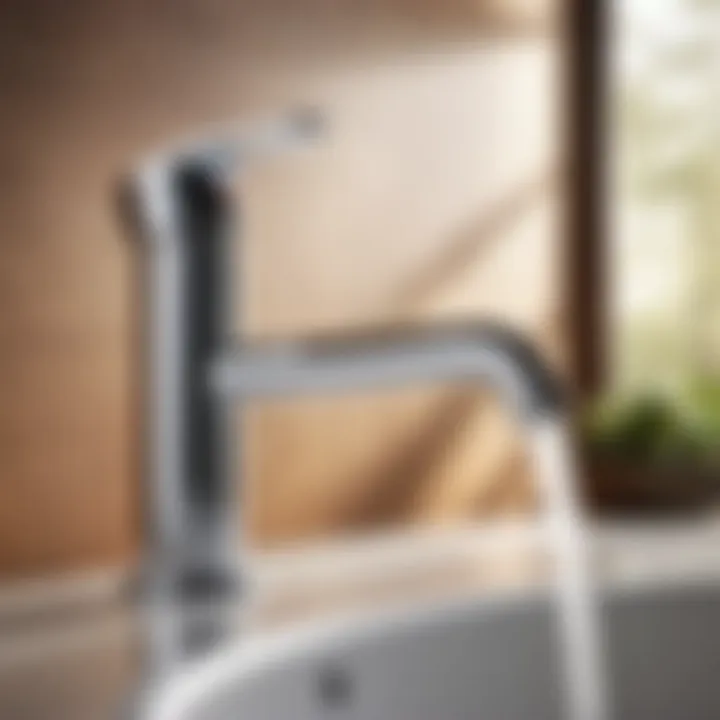
Contemporary faucets are characterized by their minimalist and sleek designs that bring a modern touch to any bathroom space. With clean lines, sharp angles, and innovative features, contemporary faucets offer a blend of style and functionality. The sleek features of contemporary faucets contribute to a chic and sophisticated look while providing ease of use and maintenance. One of the key advantages of contemporary faucets is their ability to enhance the overall aesthetic appeal of the bathroom while maintaining efficiency and water conservation.
Classic Elements in Traditional Faucets
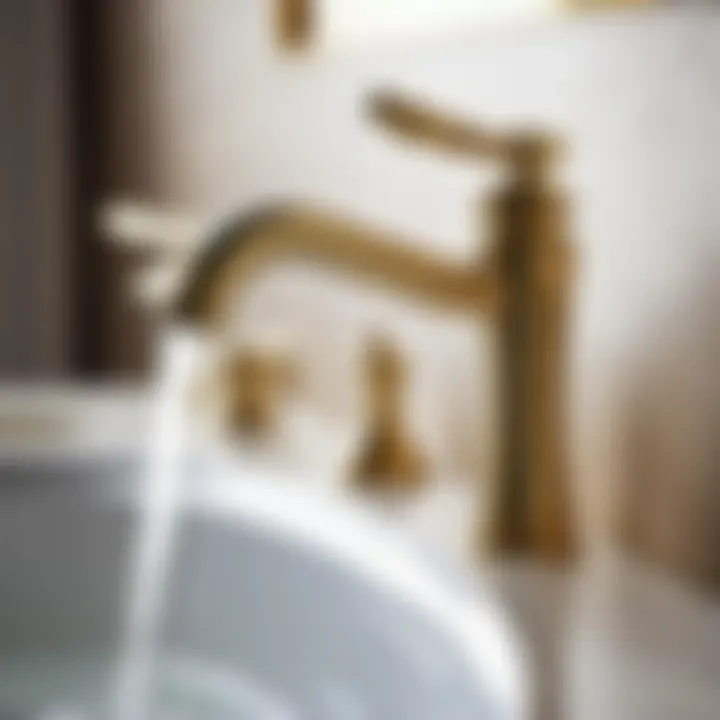
On the other hand, traditional faucets showcase timeless elegance and intricate detailing that resonate with a sense of nostalgia and refinement. Featuring curves, intricate patterns, and durable materials like brass or bronze, traditional faucets add a touch of classic charm to any bathroom setting. The classic elements in traditional faucets not only exude a sense of heritage and luxury but also convey a sense of durability and craftsmanship. While traditional faucets may require more maintenance compared to their contemporary counterparts, they offer a timeless appeal that transcends changing design trends.
Impact on Water Pressure Performance
The choice between contemporary and traditional faucet designs can influence water pressure performance in your bathroom. Contemporary faucets, with their advanced aerator technology and streamlined construction, are designed to provide optimal water flow even in low-pressure conditions. On the other hand, traditional faucets may have larger spouts and handles that can affect water pressure to some extent. Understanding the impact of faucet style on water pressure performance is essential for homeowners dealing with low water pressure issues, as it can determine the efficiency and functionality of the chosen faucet.
Material Quality and Durability
Best Materials for Low Water Pressure
Brass Construction:
Brass construction stands out as a reliable and popular choice for faucets designed for low water pressure situations. Its inherent durability and resistance to corrosion make it an excellent option for long-lasting performance. The key characteristic of brass construction lies in its sturdiness, which allows it to withstand the demands of low water pressure systems effectively. The unique feature of brass construction is its ability to maintain water quality and preserve the faucet's aesthetic appeal over time.
Stainless Steel Options:
Stainless steel faucets offer another great alternative for low water pressure environments. Known for their strength and hygiene, stainless steel options provide a modern and sleek appearance while being highly durable. The key characteristic of stainless steel lies in its resistance to rust and stains, making it a practical choice for bathrooms with low water pressure issues. The unique feature of stainless steel options is their ability to adapt to various water conditions while maintaining a sophisticated look.
Resilient Zinc Alloys:
Resilient zinc alloys are gaining popularity in the faucet market due to their strength and affordability. These alloys offer decent durability and provide a cost-effective solution for low water pressure settings. The key characteristic of resilient zinc alloys is their ability to resist corrosion and tarnishing, making them a practical choice for budget-conscious consumers dealing with low water pressure. The unique feature of zinc alloys is their versatility in design and finish, offering a range of customization options for different bathroom styles.
Corrosion Resistance and Longevity
Factors Influencing Faucet Lifespan:
Factors influencing faucet lifespan are crucial to consider when aiming for longevity and performance. Understanding these factors, such as water quality, maintenance practices, and material durability, helps in prolonging the lifespan of your faucet in a low water pressure environment. The key characteristic is to invest in high-quality faucets made from durable materials and to follow recommended maintenance routines to extend their lifespan.

Importance of Quality Finishes:
The importance of quality finishes cannot be overstated when it comes to ensuring the longevity of your faucet in low water pressure conditions. Quality finishes protect the faucet from corrosion, abrasion, and tarnishing, preserving both its functionality and aesthetic appeal. Investing in faucets with premium finishes adds a layer of protection against wear and tear, contributing to prolonged performance in low water pressure setups.
Maintenance Tips for Prolonged Performance:
Proper maintenance is essential for maximizing the performance and lifespan of a faucet operating under low water pressure. Regular cleaning, using gentle cleaning agents, and avoiding harsh chemicals are key maintenance tips for ensuring the longevity of your faucet. Following manufacturer recommendations for maintenance and addressing any minor issues promptly can help prevent major problems and maintain optimal performance in a low water pressure environment.
Installation and Maintenance Considerations
In the realm of selecting the best bathroom faucet for low water pressure, the focal point shifts towards the critical aspects of installation and maintenance considerations. Understanding the nuances of installation and maintenance ensures the longevity and optimal performance of your chosen faucet, thereby enhancing your overall bathroom experience. This pivotal stage necessitates attention to detail, strategic planning, and adherence to best practices in plumbing.
DIY vs. Professional Installation
Pros and Cons of Self-Installation:
Delving into the realm of self-installation provides both advantages and disadvantages in the context of choosing and installing a bathroom faucet. Opting for self-installation allows homeowners to have a hands-on approach, potentially saving on installation costs and providing a sense of accomplishment. However, self-installation could pose challenges for individuals with limited plumbing experience, risking improper installation that may lead to future issues or inefficiencies within the faucet system.
Benefits of Hiring a Plumber:
The benefits of hiring a professional plumber for faucet installation are substantial. Plumbers bring expertise, precision, and industry knowledge to the installation process, ensuring that the faucet is correctly and efficiently installed. Additionally, professional plumbers can assess the existing plumbing infrastructure and provide insights into optimizing water pressure and flow for an enhanced user experience.
Ensuring Optimal Water Pressure:
One of the crucial considerations in faucet installation is ensuring optimal water pressure. Improper installation or adjustment can lead to reduced water pressure, affecting the functionality and performance of the faucet. By enlisting the expertise of a professional plumber, homeowners can rest assured that water pressure is optimized to suit the specific requirements of the chosen faucet, guaranteeing a seamless and efficient water flow experience.
Cleaning and Care Recommendations
When it comes to maintaining your bathroom faucet, following proper cleaning and care recommendations is paramount to preserve its functionality and aesthetics. Regular maintenance not only enhances the lifespan of the faucet but also ensures optimal performance over time, contributing to a pleasant and hassle-free user experience.
Avoiding Harsh Chemicals
Choosing cleaning products wisely is essential to avoid damage to the faucet's surface and internal components. Harsh chemicals can corrode finishes, cause leaks, and impact the overall performance of the faucet. Opting for mild, non-abrasive cleaners and avoiding harsh chemicals can preserve the faucet's appearance and functionality for years to come.
Regular Cleaning Practices
Adopting a routine cleaning schedule is key to maintaining a pristine bathroom faucet. Regularly wiping down the faucet with a soft cloth and mild detergent helps prevent the buildup of grime, mineral deposits, and soap scum. Consistent cleaning practices not only keep the faucet looking elegant but also prevent potential issues such as clogs and leaks.
Troubleshooting Low Pressure Issues
In the event of encountering low water pressure issues with your faucet, troubleshooting the root cause is essential for swift resolution. Factors such as mineral buildup, sediment blockages, or internal component malfunctions can contribute to reduced water pressure. By systematically diagnosing and addressing these issues, homeowners can restore optimal water flow and performance to their bathroom faucet, ensuring a premium and uninterrupted user experience.