Discovering Bathroom Vanities in San Diego

Intro
When it comes to updating the soul of your home, the bathroom often sees the last of the renovations. Yet, a well-chosen vanity can transform a mundane space into a retreat of elegance and comfort. In the heart of San Diego, options abound, ranging from sleek modern designs to rustic wooden styles. This guide isn’t merely a checklist; it's a compass to help homeowners navigate the ins and outs of selecting the perfect bathroom vanity for their abode.
In this article, we’ll explore everything from planning your ideal bathroom vanity setup, including essential materials, DIY steps, technical aspects, and an installation plan that aligns with your vision. We’ll dive into local trends and provide insights about pricing and suppliers in this beautiful coastal city. You’ll be armed with the knowledge and tips to make informed choices, allowing your bathroom to shine both functionally and aesthetically.
By focusing on not just the vanity itself but also how it fits within your overall styling aspirations, readers are set to embark on an informed journey through the myriad of possibilities.
Let’s not beat around the bush; having the right information can save you time, effort, and potential headaches down the line. Ready to dive in? Grab your measuring tape and let’s start!
Materials:
Selecting the correct materials for your bathroom vanity project is crucial. Below is a comprehensive list of what you will need, along with suggested measurements for a mid-sized vanity.
Itemized List of Materials:
- Plywood for vanity frame: 3/4 inch thick, 1 sheet, typically 4' x 8'
- Cabinet doors: 1/2 inch thick, 4 panels, each 18" x 30"
- Countertop: A solid surface or quartz, ideally cut to match the vanity size, around 60" long, 22" wide
- Sink: Single or double basin, standard sizes are around 15" x 30"
- Faucet: Standard 3-hole setup recommended
- Wood glue: 1 bottle, good quality
- Screws: 1 pack of cabinet screws
- Stains or paint: 1 quart (if finishing wood)
- Sealant: 1 quart for countertop protection
- Hardware: Handles and hinges, typically 4 of each
DIY Steps:
Time to roll up those sleeves! Follow these detailed instructions step by step to ensure a successful project.
Step 1: Planning
Take precise measurements of your bathroom space and sketch a layout of how the vanity will fit. Consider plumbing locations and if you want to make any changes.
Step 2: Cutting the Plywood
Using the measurements from your design, cut the plywood sheets to create the frame’s side panels, top, and bottom. Make sure to smooth out edges for safety and aesthetics.
Step 3: Assembling the Frame
Using wood glue and screws, assemble the frame. Start with the bottom piece and attach the two side panels, followed by the top. Ensure everything is aligned properly and let it dry as per glue instructions.
Step 4: Installing Cabinet Doors
Attach the pre-cut doors using the hinges. Make sure they open and close smoothly; some adjustments may be necessary.
Step 5: Countertop Installation
Place the chosen countertop on top of your assembled vanity frame. Secure it if required, paying attention to any sink cutouts.
Step 6: Sink and Faucet
Install the sink into the cutout of the countertop, then proceed to attach the faucet according to manufacturer directions.
Step 7: Wood Finishing
If you are staining or painting the wood, make sure to do it at the end after all assembly is done. Allow adequate drying time before moving on.
Step 8: Sealant Application
For countertop longevity, apply a sealant. This helps to prevent water damage and staining over time.
Technical Aspects:
Gathering the right tools and knowing how long each step should take can simplify your project significantly.
Tools Required:
- Circular saw or table saw
- Drill with drill bits
- Measuring tape
- Level
- Screwdriver
- Sander (for smooth edges)
Timing Specifics:
- Planning and Measuring: 1-2 hours
- Cutting Materials: 2-3 hours
- Assembling Frame: 1-2 hours
- Installation: 2-4 hours, depending on complexity
- Finishing: 2-3 hours, drying time may vary
Critical Techniques:
Make sure to align joints for sturdiness, keep surfaces flat when applying glue, and read all instructions that come with your sink and faucet.
DIY Project Process:
Alright, now you have all the materials and steps. Let’s dive into the nitty-gritty of how to flawlessly install your vanity.
Sequential Steps:
- Clean the area where the vanity will sit, ensuring it's free of dust and debris.
- Position the base of the vanity against the wall (make sure it's level).
- Fasten the vanity to the wall, especially in areas prone to vibration.
- Attach plumbing for the sink following standard plumbing codes.
- Final touches: add handles and any necessary fixtures.
Troubleshooting Tips:
- If your cabinet doors do not align, check hinge placement and make minor adjustments.
- For uneven surfaces, the use of shims beneath the vanity can make a world of difference.
- Always double-check all plumbing connections to avoid leaks.
The outcome of this project can lead to a fresh and ready-to-use bathroom that feels like a brand new addition. With patience and attention to detail, installation can be not just a task, but a rewarding experience.
Understanding Bathroom Vanities
Bathroom vanities serve not merely as furniture but as pivotal components that can define the overall dynamics of a bathroom space. The significance of understanding bathroom vanities transcends mere aesthetics; it weaves into practicality, efficiency, and style. Grasping what a vanity is, its various forms, and its role in design can optimize both functionality and elegance in your home.
Definition and Purpose
A bathroom vanity primarily comprises a sink counter, cabinet, and storage space, forming the hub of everyday routines. It’s like the workbench of your bathroom, where you engage in morning rituals, from brushing teeth to getting ready for the day. The term "vanity" often evokes thoughts of elegance and sophistication, but fundamentally, it is all about function.
- Storage Needs: Most designs include cabinets and drawers, offering essential storage for towels, toiletries, and cleaning supplies.
- Style Statement: The vanity often acts as the focal point, setting the tone for the overall mood and decor. It could range from sleek modern lines to intricate traditional craftsmanship.
- Functional Space: Consideration of human ergonomics in design can enhance utility, ensuring that users navigate around the space comfortably.
Thus, a bathroom vanity is not just a sink-housing piece; it integrates various roles that cater to personal spaces, enhancing daily routines seamlessly.
Importance in Bathroom Design
In bathroom design, the vanity plays a significant role that goes beyond mere placement. It's a harmony of aesthetics and utility, a balancing act that homeowners must master. Understanding this importance allows homeowners to make choices that enhance both the form and function of their bathrooms.
- Visual Impact: A well-chosen vanity can elevate a dull space into a chic sanctuary. For instance, a rustic oak vanity can provide warmth and character, while a glossy white contemporary piece might evoke modern simplicity.
- Maximizing Space: The right vanity can make a small bathroom appear more spacious. Wall-mounted vanities, for example, can create an airy feel, giving the illusion of more room.
- Convenience and Accessibility: Well-designed vanities can accommodate various users, whether children or adults. This adaptability makes accessibility and usability prime considerations when selecting a vanity.
"The best designs consider user experience, ensuring that style does not compromise functionality."
Overall, recognizing the influence of bathroom vanities in your space can lead to more informed decisions, resulting in a bathroom that not only looks good but works effectively too.
Types of Bathroom Vanities
When considering a bathroom renovation or update, understanding various types of vanities is essential. Each type serves different needs, adding functionality and style to the space. This section breaks down the key vanity types commonly found in San Diego, helping homeowners identify which option best aligns with their unique requirements.
Single Sink Vanities
Single sink vanities are a popular choice for smaller bathrooms or powder rooms. They reveal a streamlined approach to bathroom design and take up less space compared to their double counterparts. These vanities often come in a variety of styles and finishes, making it simple to find one that complements your overall decor.
A well-designed single sink vanity can maximize storage while maintaining functionality. With options like built-in drawers or shelves beneath the sink, they provide ideal space to store toiletries or towels. Additionally, they typically cost less than double sink models, which is a great perk for budget-conscious shoppers.
Double Sink Vanities
If your bathroom sees a lot of activity or if you simply want to eliminate morning traffic jams, then double sink vanities are a smart choice. They offer ample space for two individuals to get ready simultaneously, making them very practical for families or shared living situations.
These vanities often feature wider countertops, allowing for larger sinks and more space for personal items. The enhanced storage options can accommodate more towels and products, eliminating clutter. However, it is important to ensure sufficient space in the bathroom for a double vanity to avoid a cramped environment.
Wall-Mounted Vanities
Wall-mounted vanities bring a modern, minimalist aesthetic to any bathroom. Unlike traditional vanities that rest on the floor, wall-mounted designs hang freely, creating an illusion of space. This can be particularly advantageous in smaller bathrooms, where every inch counts.
Besides aesthetic value, they are easier to clean underneath, which simplifies maintenance. Commonly available in various materials and colors, wall-mounted vanities offer flexibility to match different themes. However, it’s vital to install them correctly to guarantee stability and ensure that plumbing aspects are appropriately handled.
Freestanding Vanities
Freestanding vanities provide a classic feel to bathrooms. They are often available in various styles, from vintage to modern designs, easily lending themselves to different decor schemes. Freestanding varieties can be more versatile; they do not require wall support, which makes them an attractive option for those seeking design flexibility.
These types also tend to have more character, often incorporating intricate details like ornate legs or textured finishes. While they have their charm, homeowners should think about the space and overall design; a bulky freestanding vanity in a compact bathroom can quickly overwhelm the area.
Choosing the right type of vanity is not merely about aesthetics. It involves considering the available space, how the bathroom is utilized, and the overall design scheme you wish to achieve.
In every bath remodel, recognizing the different types of vanities can significantly affect the functionality and style of the space. As you make decisions moving forward, remember that each type has its unique benefits and considerations. The variation of options available ensures that no matter your bathroom size or aesthetic preference, there is a perfect vanity waiting to be found.
Styles of Bathroom Vanities
When it comes to bathroom vanities, selecting the right style is crucial not just for aesthetic appeal but also for enhancing the overall functional experience in the space. Different styles reflect personal taste and set the tone for your bathroom decor. The importance of this decision cannot be understated; a vanity isn't merely a place to wash your hands. It can serve as a focal point that harmonizes the various elements in your bathroom, balancing function and design beautifully.
Contemporary Designs
Contemporary bathroom vanities showcase clean lines, minimalist features, and smooth finishes. They often employ materials like glass and polished metals, making them a favorite in modern homes. One distinct advantage of contemporary designs is their versatility; they can blend smoothly with both traditional and modern fixtures, making a bathroom feel spacious and uncluttered.
Key considerations for contemporary vanities include their adaptability to different color schemes and ease of maintenance. For instance, sleek surfaces can make cleaning a breeze, while muted color palettes can add a touch of elegance without becoming too overpowering. Homeowners should also look for innovative storage solutions in these designs, as clutter can ruin the minimalistic vibe that contemporary styles aim to achieve.
Traditional Styles
Traditional bathroom vanities bring a sense of warmth and character to the space. These designs often feature intricate detailing, rich wood finishes, and classic hardware. They evoke a sense of nostalgia, making a bathroom feel inviting and comfortable. One major benefit of opting for a traditional style is its ability to complement various decorative elements, from ornate mirrors to patterned tiles.
When considering traditional vanities, it's essential to think about the functionality alongside the aesthetic. These styles often come with a variety of drawer and cabinet options, providing ample storage for toiletries and other essentials. They can also enhance the home's resale value by appealing to buyers who appreciate timeless design.
Rustic Options
Rustic bathroom vanities bring a unique charm that can transform a bathroom into a peaceful retreat. Typically crafted from reclaimed wood or featuring distressed finishes, these vanities exude a natural, earthy vibe. Such styles are perfect for those looking to incorporate elements of the great outdoors into their home and can be especially stunning in beachside or country homes around San Diego.
The benefits of rustic vanities extend beyond aesthetics. They tend to be incredibly durable and often have a story behind them, like the wood being repurposed from an old barn. However, when choosing a rustic style, it is vital to consider how other elements in your bathroom coordinate. For instance, complementing a rustic vanity with natural stones or vintage accessories creates a cohesive and inviting atmosphere.
A bathroom vanity is more than just a functional fixture; it shapes the overall experience of your bathroom, marrying style with utility in a seamless blend.
Material Considerations
Material choices are a cornerstone in the creation of bathroom vanities. Not only do they influence the aesthetics of a space, but they also determine the durability, maintenance, and overall functionality. Understanding various materials is vital for making informed selections that enhance your bathroom environment. This area of the guide addresses crucial aspects like longevity, resistance to moisture, and stylistic compatibility with your home.
Wood vs. MDF
When weighing options for bathroom vanities, wood and Medium Density Fiberboard (MDF) often come into play.
Wood is usually regarded as the gold standard. With its appealing natural grain and durability, solid wood brings a warmth to the bathroom. Choices like oak, maple, and cherry not only offer various finishes but also age beautifully over time. This material, however, can be pricier and may require more upkeep—like sealing to prevent water damage. It’s the kind of investment that stands the test of time, making it a beloved go-to for many homeowners.
On the flip side, you have MDF, a manufactured board made from wood fibers. It’s often more budget-friendly and resistant to warping, making it a practical choice in humid settings like bathrooms. However, while it can mimic wood’s appearance with the right veneer, it's not as robust, so some folks may question its longevity and durability over time.
Countertop Materials
Countertops can make or break a bathroom vanity. The choices often boil down to three main materials: granite, quartz, and marble.
Granite
Granite has carved out its niche as a popular choice for countertops, thanks to its solid durability and scratch resistance. One of its primary characteristics is the unique veining and patterns that lend a one-of-a-kind flair to each slab. This means every countertop has its own personality, making it a striking option for vanity tops. However, its porous nature requires a sealant to prevent staining, which can be a disadvantage for some. Yet, many find the appeal of natural stone worth the extra effort.
Quartz
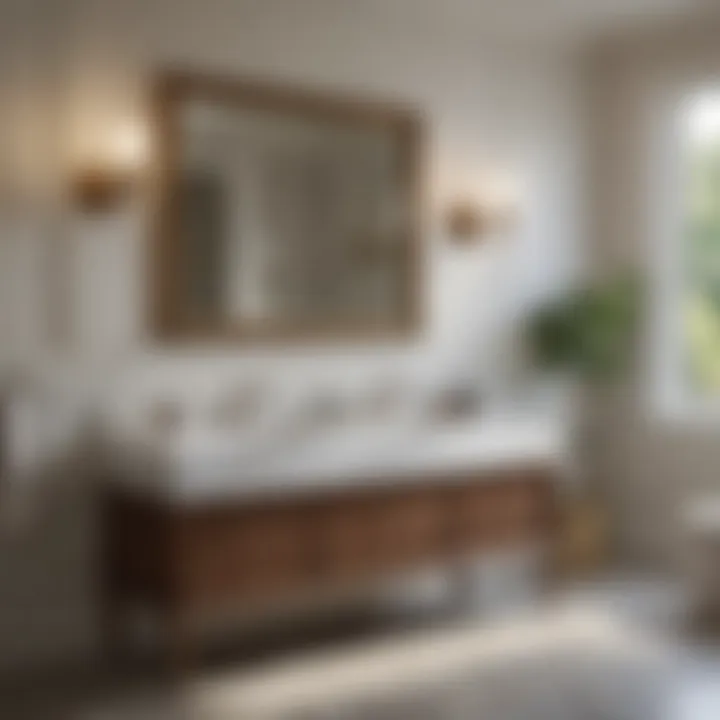
Then, there’s quartz—a man-made material that combines natural quartz crystals with resins and polymers. Known for its non-porous surface, it doesn’t require sealing like granite, making it low-maintenance. Its range of colors and patterns is extensive, allowing for customization that can blend seamlessly with the rest of your decor. If you want a uniform look that will hold up against spills and heat, quartz comes through as a stellar option. However, some may find it less authentic compared to natural stone.
Marble
Lastly, we have marble—often chosen for its luxurious appearance and undeniable elegance. Its signature veining can elevate the look of any vanity to that of a tasteful hotel bathroom. But, as stunning as it is, marble can be more susceptible to stains and scratches due to its softness compared to granite and quartz. Many homeowners love it but are aware that maintaining that pristine look will involve some work.
Finish Options
Finishes also play a critical role in setting the tone of your vanity. They range from glossy to matte and can significantly influence the durability of the material underneath. A glossy finish can add a modern touch but may show scratches more easily. Conversely, a matte finish could hide imperfections but might require more frequent cleaning. Each finish option invites its own set of considerations related to visual impact and maintenance.
"When it comes to materials, it’s not just about what looks good. Durability and maintenance also pull weight in the decision-making process."
Understanding the material landscape helps you not only in choosing a vanity that enhances your space but also in ensuring that it lasts through the years while reflecting your personal style.
Local Trends in San Diego
Understanding local trends is crucial when it comes to choosing the right bathroom vanity. In San Diego, the contrast of urban sophistication and coastal relaxation influences design choices. Homeowners here are keen to incorporate elements that reflect both their lifestyle and the backdrop of the vibrant city. This region showcases a blend of practicality and artistry, leading to unique trends that cater specifically to residential needs.
This guide explores significant reflections of local culture, which may include sleek modern designs, eco-friendly materials, and coastal-inspired aesthetics.
Emerging Design Aesthetics
When it comes to emerging design aesthetics in San Diego, homeowners are increasingly leaning towards vanities that offer minimalistic yet functional forms. The trend strongly reflects a preference for clean lines and uncluttered spaces. This trend is driven by a desire for a serene environment, aligning with the easy-going coastal lifestyle characteristic of the area.
Moreover, bold designs are also gaining traction. Homeowners aren’t shying away from experimental shapes or intricate details. For instance, vanities featuring geometric patterns or unconventional faucet placements can elevate the overall decor, making a personal statement in the space.
Attention to detail is profound. Countertops with subtle textures or unique stone variations can serve as conversation starters, blending both function and art. Also, local craftsmen are making waves, adding a touch of bespoke quality that resonates with the community's soulful craftsmanship.
Popular Color Schemes
The color palettes chosen by San Diego homeowners often mirror the natural surroundings. Soft blues, sandy beiges, and earthy greens are in high demand, allowing the bathroom to feel more like a calming retreat. These colors not only enhance the ambiance but also blend seamlessly with the natural light prevalent in many homes here.
Additionally, there is a growing penchant for richer tones, such as navy or deep forest green, which create a striking contrast against lighter fixtures. When blending colors, homeowners consider the overall scheme of the house as a vital part of their decision-making process.
Furthermore, accent colors are often employed thoughtfully. Bright yellows or corals can be used sparingly to inject liveliness, serving as an uplifting touch that reflects the sunny disposition of coastal living.
"Designing a bathroom is not just about choosing practical materials but creating a sanctuary that resonates with one’s personal elan."
Homeowners in San Diego are definitely forging their paths with an eye for style that honors their surroundings while meeting individual preferences. Keeping an eye on these trends can help in making informed choices that enhance not just the visual appeal but also the utility of bathroom spaces.
Choosing the Right Vanity
Choosing the right bathroom vanity is like picking the right piece of furniture for your living room. It’s not just about aesthetics; it knits together the functionality and design of your bathroom. Selecting a vanity that fits harmoniously into the space can improve not just the appearance, but also the overall experience of using the bathroom. A well-chosen vanity becomes a focal point, while poorly chosen options might lead to a chaotic look or inefficient use of space.
There are several crucial aspects to consider here, from dimensions and layout to personal style and storage needs. The interplay of functionality and aesthetics plays a pivotal role; hence, investing time to explore various choices can greatly enhance the outcome.
Evaluating Space Constraints
Before diving into styles and materials, the first step in choosing a vanity is assessing the available space.
Knowing your measurements might seem like a no-brainer, but it's often overshadowed by initial excitement of splurging on new materials. Start by determining the size of your bathroom. Measure width, depth, and height while keeping a keen eye on any unique architectural features, like window placements or fixtures already in place.
When space is tight, consider vertical options. Wall-mounted vanities, for example, not only save floor space but also create the illusion of a larger area.
On the other hand, if you have plenty of room to work with, a double sink vanity might make morning routines a breeze. Also, remember to factor in clearance space for doors and drawers. That’s a key element often overlooked, yet it can make or break the usability of your bathroom furniture.
Aligning Functionality with Aesthetics
Once you've navigated the logistics of size, it's time to blend functionality with beauty. After all, who wants a vanity that looks good but doesn't serve its purpose?
Think about what daily tasks your bathroom must accommodate. Is it just a quick wash before heading out, or do you require ample space for skincare routines and beauty applications? Consider vanities with built-in storage solutions, such as drawers or shelves.
Now, let’s not forget about style. Whether you favor a sleek contemporary design, rustic charm, or a traditional look, your vanity should express your unique personality while fitting seamlessly into the overall décor. Balance playful elements with clean lines; for instance, combining a modern sink unit with vintage knobs can infuse character without feeling out of place.
"A kitchen is the heart of the home, but a bathroom can be the sanctuary of one's self; choosing the right vanity transforms that oasis."
In summary, choosing the right vanity isn’t merely about aesthetics; it’s an intricate dance of space evaluation and thoughtful design. Ensuring functionality aligns with personal taste is fundamental to a successful choice that will serve you well for years to come.
Installation Processes
Installing a bathroom vanity is not just about putting a piece of furniture in the bathroom; it’s about enhancing the space both functionally and aesthetically. The installation process plays a pivotal role in ensuring your vanity serves its purpose well. An ill-fitted vanity can lead to plumbing issues, water damage, and frustration down the line. Thus, understanding the nuances of proper installation is key for homeowners in San Diego eager to transform their bathrooms into a haven of style and utility.
When it comes to installation, two primary approaches come into the spotlight: DIY installation and professional installation. Each has its merits and drawbacks, and choosing the appropriate one boils down to individual circumstances and preferences.
DIY vs. Professional Installation
Opting for a DIY approach can seem tempting, especially with the abundance of internet tutorials and guides available. It gives a sense of empowerment, allowing homeowners to not only save money but to customize the process according to personal taste. However, this method requires a certain skill set, including measurement precision, plumbing know-how, and a dash of patience.
Some benefits of DIY installation are:
- Cost Savings: You can dodge hefty labor fees.
- Personalized Touch: You have full control over the entire process.
- Satisfaction: Completing a project by yourself can be rewarding.
On the contrary, professional installation is often a wise choice, particularly for those less inclined to tackle home improvement projects. It ensures that the installation is carried out safely and correctly, avoiding potential setbacks. A professional installer brings:
- Expertise: Years of experience in efficiently handling installations.
- Warranty: Most professionals provide some form of guarantee for their work.
- Time Management: They can often complete the job faster than a novice.
However, the added expense of hiring a pro can be a deciding factor. Therefore, it is prudent to assess your confidence and skill levels before diving into the installation process.
Necessary Tools and Materials
Whether you decide to take the plunge into DIY territory or enlist the help of a professional, understanding the necessary tools and materials for installing a bathroom vanity is crucial. Here’s a list of common tools you might need for a successful vanity installation:


- Measuring Tape: To ensure everything fits snugly.
- Level: To confirm your vanity is even, avoiding future complications.
- Drill: For making holes for screws or anchors.
- Screwdriver: Essential for fastening hardware.
- Plumber's Wrench: Handy for adjusting plumbing as needed.
- Caulking Gun: To seal gaps and prevent leaks.
As for materials, here’s an essential rundown:
- Vanity: Choose according to style and size.
- Sink: Selecting the right sink is necessary for both aesthetics and functionality.
- Faucet: The style can tie your whole look together.
- Plumbing Cutters: If you're working with pipes.
Never underestimate the significance of precautions when using such tools. Wearing safety goggles and gloves, for instance, can save you from potential mishaps.
Understanding the installation process of bathroom vanities involves more than just physical placement; it’s about ensuring long-term functionality and enhancing your bathroom’s beauty.
Arming yourself with the right knowledge about installation processes can make all the difference in the successful completion of your bathroom renovation. Whether you take on this journey alone or call in the pros, ensuring a solid installation pays off in the long run.
Budgeting for Vanities
When looking for a bathroom vanity, keeping a close eye on your budget can’t be emphasized enough. Diving into the world of vanities without a clear financial plan can lead you down a winding path of regrets. Not only do vanities vary widely in price, but the right approach to budgeting can directly influence the overall aesthetic and functionality of your bathroom. By understanding essential components like costs, and where to find affordable options, you shape a more enjoyable home upgrade experience.
Cost Breakdown
The cost of a bathroom vanity can be broken down into several key elements that often catch homeowners by surprise. It’s not just the vanity itself; numerous factors influence the final price tag. Here’s a list to ponder:
- Vanity Structure: The build quality, whether it’s wood or a cheaper alternative like MDF, significantly impacts cost. Solid wood options not only offer durability but often fetch a higher price.
- Countertops: Materials play a crucial role in pricing. Granite and marble might give that luxurious feel but can also burst the budget. A quartz option might hit a sweet spot between elegance and affordability.
- Sinks and Faucets: Sometimes, silly little additions like unique faucets can thicken the wallet’s burden. Standard models keep costs lower.
- Installation Costs: Hiring professionals isn't free. Factor in any labor costs if the project isn't a DIY venture.
- Extras: Mirrors, lighting, and additional decor can escalate expenses quickly. It's the small frills that can bite.
Consider putting together a detailed list of what’s essential versus what can be postponed until you have a bit more slack in your pocket. As you go through these prices, keep in mind how your choices correlate to both longevity and style.
Finding Affordable Options
Shopping for a bathroom vanity in San Diego doesn’t mean you need to shell out a small fortune. There are various routes you can explore to find a fashionable yet budget-friendly vanity:
- Store Sales and Clearance: Regularly check local stores for seasonal sales. Many showrooms find themselves needing to refresh inventory. This often results in hefty discounts on display models.
- Online Platforms: Websites like Wayfair or Overstock have substantial sales of the year. Deals can come quicker than you can say "bathroom upgrade!"
- Thrift Stores or Reclamation Yards: You might stumble upon hidden gems with a bit of character. Sometimes, a quirky vintage vanity can add a special touch to your bathroom.
- DIY Customizations: If you’re up for a little hands-on project, consider purchasing a basic vanity and jazzing it up with a paint job or new hardware. This way, you invest a bit less and still have a personal touch.
- Utilizing Local Craftsmen: Reach out to local artisans. They may offer competitive pricing without the overhead costs of larger retailers. Custom doesn’t always have to mean costly.
Finding the perfect vanity is about balancing beauty with practicality. Keep your options open and look beyond just the initial purchase.
In navigating the route to a satisfying bathroom vanity, budgeting effectively allows you to maintain your financial stability. With the right strategies for understanding costs and embracing affordability, homeowners can savor a transformed space without feeling the pinch.
Local Suppliers and Showrooms in San Diego
When navigating the world of bathroom vanities, understanding the landscape of local suppliers and showrooms in San Diego becomes paramount. These entities not only provide essential resources but also play a crucial role in transforming your vision into reality. Here’s why they deserve your attention.
Notable Suppliers
San Diego boasts a variety of suppliers who cater to different tastes, budgets, and needs when it comes to bathroom vanities. Some of these notable suppliers include:
- San Diego Bath & Shower - Known for a wide range of stylish and functional vanities, catering to both traditional and modern styles.
- The Home Depot - While recognized nationwide, their local San Diego stores offer specialized selections that reflect regional trends and preferences.
- Lowe’s - Another national chain, their options range from budget-friendly choices to high-end designer pieces.
- Kohler Showroom - A place where quality meets design, Kohler showcases premium products that marry function with aesthetics.
Each of these suppliers contributes to a diverse market, ensuring that no matter the style or budget, you will find something that suits your needs. Visiting multiple suppliers can help you grasp the range of options available and aid in informed decision-making.
Visiting Showrooms
When you step into a showroom, you step into a world of possibilities. It’s not merely about viewing vanities; it's about experiencing them. Here are a few things to keep in mind while visiting showrooms:
- Touch and Feel - Seeing a vanity in photos doesn’t compare to the tactile experience. Get a feel for textures, finishes, and construction quality.
- Ask Questions - Don’t hesitate to inquire about materials, manufacturing processes, and care instructions. Knowledgeable staff can offer insights you may not find online.
- Visualize Your Space - Bring along measurements of your bathroom. Some showrooms provide visualization tools or design consultations to help you see how a vanity will fit in your existing layout.
- Check for Promotions - Many showrooms run special promotions or discounts, especially on floor models. Keep an eye out for any deals that could help your budget.
- Consider Delivery and Installation Options - It’s important to discuss logistics, including whether the supplier will deliver and/or install your vanity.
Visiting showrooms provides a chance to compare styles and prices directly, setting the groundwork for an educated purchasing decision.
Maintenance and Care
Taking care of your bathroom vanity is not just about keeping it clean; it’s about preserving its aesthetic appeal and prolonging its lifespan. A well-maintained vanity adds a touch of elegance to your bathroom while ensuring that it's functional for your daily routines. In San Diego, where humidity can fluctuate and moisture levels vary, this task becomes even more crucial.
Cleaning Procedures
Regular cleaning is essential to keeping your bathroom vanity looking its best. Here’s how to effectively clean different materials while preventing wear and tear:
- For wooden vanities, use a soft cloth slightly dampened with water and a gentle wood cleaner. Avoid household cleaners, as they can strip the finish and damage the wood.
- If your vanity has a marble or granite countertop, it’s recommended to utilize a pH-neutral cleaner. Acidic substances like vinegar can eat away at the stone. After cleaning, quickly dry the surface with a towel to prevent any water spots.
- For quartz countertops, a mild dish soap and warm water mixture does wonders. It’s non-porous, so it doesn’t require sealing, but it’s best to keep harsh chemicals at bay to maintain its sheen.
"A clean vanity is like a well-kept garden; it speaks volumes about the care you put into your home."
Remember to routinely wipe down surfaces to prevent soap scum and mineral deposits from building up. Setting aside 10 minutes each week for this task can be highly beneficial in maintaining your vanity's appeal.
Preventing Damage
In addition to regular cleaning, preventing damage to your bathroom vanity is a proactive approach. Here are a few strategies you might consider:
- Avoid Excessive Moisture: Bathrooms, naturally humid environments, can wreak havoc on materials not meant to withstand high moisture. Make sure your ventilation is in top-notch condition—consider using an exhaust fan during showers.
- Use Coasters and Mats: Always utilize mats or coasters under toiletries and other items placed on your vanity. This minimizes potential scratches, marks, or rings left behind by wet products.
- Be Mindful of Heat: Avoid placing hot hair tools directly on the vanity. A simple heat-resistant mat can save your surfaces from unsightly burns.
- Check Seals and Finishes: Regularly examine the seals on wood or the finishes on countertops. If the wood starts to look dull or the seal begins to wear off, consider reapplying a protective finish or sealant to prevent moisture penetration.
Ultimately, taking these steps will not only keep your vanity pristine but also enhance its durability, ensuring it remains a focal point of your bathroom for years to come.
Sustainability in Bathroom Vanities
Sustainability has become a cornerstone in many home renovation discussions, and bathroom vanities are no exception. With growing awareness about the impact of consumer choices on the environment, selecting sustainable bathroom vanities is now seen as a vital step. It's not just about aesthetics or functionality anymore; it's about making informed decisions that benefit both the environment and your home.
Eco-Friendly Materials
When it comes to eco-friendly materials, the choices can be vast, but discerning homeowners should keep a few key points in mind. Many modern vanities are made from materials such as reclaimed wood, bamboo, or recycled substances.
- Reclaimed Wood: Using reclaimed wood means you’re repurposing timber that is already in circulation. This option reduces the need for new lumber and preserves forests. Plus, reclaimed wood carries its own unique character and history, giving each vanity a distinct touch.
- Bamboo: This hardy grass is known for its rapid growth rate, making it a highly renewable resource. Bamboo is also lightweight and durable, which is a nice bonus for bathroom furniture.
- Recycled Materials: Many manufacturers are now producing vanities from recycled composite materials. Whether it’s plastics or metals, these materials help divert waste from landfills and lower environmental impact.
Choosing eco-friendly materials not only benefits the planet but often enhances the appeal of your bathroom with unique textures and styles.
Waste Reduction Practices
Waste reduction should also be a top consideration in the journey toward sustainable bathroom design. Various waste reduction practices can be beneficial, both during installation and in the long-term.
- Local Sourcing: Opting for local suppliers and materials can drastically reduce transportation emissions. This not only contributes to sustainability but also supports local economies.
- Smart Disposal: When removing old vanities, be mindful of how they are disposed of. Many components can be recycled or repurposed, which reduces landfill waste. Check with local recycling centers to see what materials they accept.
- Efficient Installation: This is another key aspect of waste reduction. Taking the time to plan installations carefully can minimize leftover materials and ensure every piece is used effectively.
"Being mindful of sustainability makes you not just a homeowner but a guardian of your environment. Every conscious choice matters."
By adopting these practices, homeowners can align their renovations with principles of sustainability. In turn, this contributes significantly to creating a space that is not only functional and beautiful but also less taxing on the planet.
In summary, sustainability in bathroom vanities goes beyond trendy labels or certifications. It encompasses a thoughtful choice of materials and practices that consider the impact of each decision, ultimately resulting in a space that reflects both personal style and environmental responsibility.