Exploring Bathroom Vanities: Trends in Duluth, MN
Intro
The bathroom vanity serves as both a functional and aesthetic centerpiece in any bathroom. In Duluth, MN, where unique architectural styles and climate conditions prevail, selecting the ideal bathroom vanity requires careful consideration. From essential materials to optimal designs tailored for the local environment, this guide provides insights aimed at house owners and housewives.
Navigating the variety of options, including sizes, styles, and functions, can empower homeowners to make informed choices. Different designs influence the overall ambiance of the bathroom and contribute tremendously to creating a personalized living space. This article delves into significant factors, offering a comprehensive approach from initial planning to successful installation and maintenance. A focus on Duluth’s unique traits sets the stage for all discussions that follow.
Materials:
Before embarking on any DIY project, gathering the necessary materials is crucial. Here’s a well-structured list of the items you will need to craft a bathroom vanity suitable for Duluth's environment:
- Plywood Sheets: ¾ inch thick, 4’ x 8’ for the body
- Solid Wood or Mouldings: Oak, Maple, or Birch for trimming, 1” x 3” or 1” x 4” lengths
- Wood Screws: 1 ¼ inch screws for securing the pieces
- Wood Glue: High-strength adhesive for additional stability
- Sandpaper: Various grits (120, 220) for smooth finishing
- Paint or Stain: Water-resistant options suitable for humid environments
- Sealer: Polyurethane for sealing the finish
- Countertop: Quartz or Granite, with widespread options in sizes around 25” x 19” or tailored to your design
- Sink: Wash basin selection depending on style
- Faucet: For installation on countertops
Acquiring the right materials helps in prepping adequately for steps ahead.
DIY Steps:
When addressing each phase of constructing a bathroom vanity, the following detailed instructions will aid in creating a project that stands the test of Duluth’s unique elements.
- Planning: Measure the space available in your bathroom. Determine the ideal dimensions for the vanity that will fit well in the area without crowding.
- Cutting the Plywood: Cut plywood sheets based on your measurements. Make sure to score the sheets for clean cuts, which enhances the utilitarian aspect of the vanity.
- Assembling the Vanity: Begin by constructing the framework using wood screws and wood glue to secure the pieces firmly together.
- Sanding the Surfaces: After assembling, sand all the surfaces intending to eliminate rough edges and prepare for finishing. Clean any dust particles after sanding.
- Finishing: Apply paint or wood stain in an even manner to ensure durability and aesthetic appeal. Allow adequate drying time between coats.
Tools Required:
To execute these steps effectively, having the right tools will contribute greatly to the overall outcome:
- Table Saw: For precise cuts on plywood and solid woods
- Cordless Drill: To drive screws comfortably
- Clamps: For holding pieces together while the glue sets
- Paintbrushes: For applying finishes with precision
- Measuring Tape: Ensure all your dimensions match up perfectly
- Level: To maintain alignment during assembly
Make sure to clean up the work area after completion of each segment and ensure that tools are put away correctly to maintain a safe workspace.
Troubleshooting Tips:
While working on your vanity, it is likely that there could be some bumps along the way. Here are a few common issue resonant under mistake rectification:
- If joints are loose, reinforce with extra screws or reconsider wood selection.
- If wood warps due to moisture, lean toward treated wood materials
The journey of building your own bathroom vanity can be engaging and rewarding, especially when enjoyed in a style accepted by comprehensive research and planning. Engaging in a project of this extent can not only contribute to your living space but also present an outlet of creativity and personalize a very functional area in your home.
Establishing your vanity to suit both your practical needs and reflect a slice of style adds value to a family space, crucial in forming a structured yet adaptable environment.
Understanding Bathroom Vanities
Understanding bathroom vanities is essential for any homeowner or individual planning a remodeling project. A bathroom vanity plays a key role in both the functionality and aesthetics of this often-used space. By examining various elements and considerations, this section provides an insightful foundation for the following discussions.
Definition and Purpose
A bathroom vanity traditionally refers to a combination of cabinetry, sink, and countertop situated in a bathroom. It serves two primary purposes: providing essential storage for toiletries and enhancing the overall style of the space. A well-chosen vanity can maximize usability while reflecting personal taste.
Components of a Bathroom Vanity
Bathroom vanities consist of several important components that work together harmoniously. Each element contributes to both practicality and visual appeal. Following are the main constituents of bathroom vanities:
Countertops
Countertops are a central aspect of any vanity. They are available in various materials, including granite, marble, and quartz. Granite is known for its durability and natural beauty, making it a favored choice among homeowners. Quartz offers a non-porous surface that requires less maintenance, showing consistent design options.
The thickness of the countertop plays a significant role in its overall appearance. Thicker profiles often lend a more modern look, while slimmer options can offer a minimalist style. It’s essential to weigh the advantages and disadvantages of each material — while granite can chip, quartz is almost impervious to staining.
Sinks
Sinks come in various styles, including undermount, drop-in, and vessel types. Undermount sinks sit flush with the countertop, providing a seamless look. This type also facilitates easy cleaning, as there are no rims to catch debris. Vessel sinks serve as statement pieces. They sit above the countertop, bringing artistry into the bathroom.
The key characteristic of sinks is their functionality and choice of style, as they can dictate bathroom design. Choosing the right sink involves assessing not just aesthetics, but also ease of use and adequate drainage, which is critical for longer-lasting performance.
Cabinetry
Cabinetry forms the backbone of any vanity setup. It provides essential storage for all necessary bathroom items, from towels to toothbrushes. Choosing cabinetry constructed from solid wood or plywood often results in a more sturdy structure compared to particle board, which can deteriorate under humidity.
The different styles of cabinetry range from open shelves to closed cabinets, allowing the homeowner to select the level of organization. Unique features such as soft-close mechanisms add an extra layer of luxury, while the design can either complement or contrast the overall bathroom theme.
Mirrors and Lighting
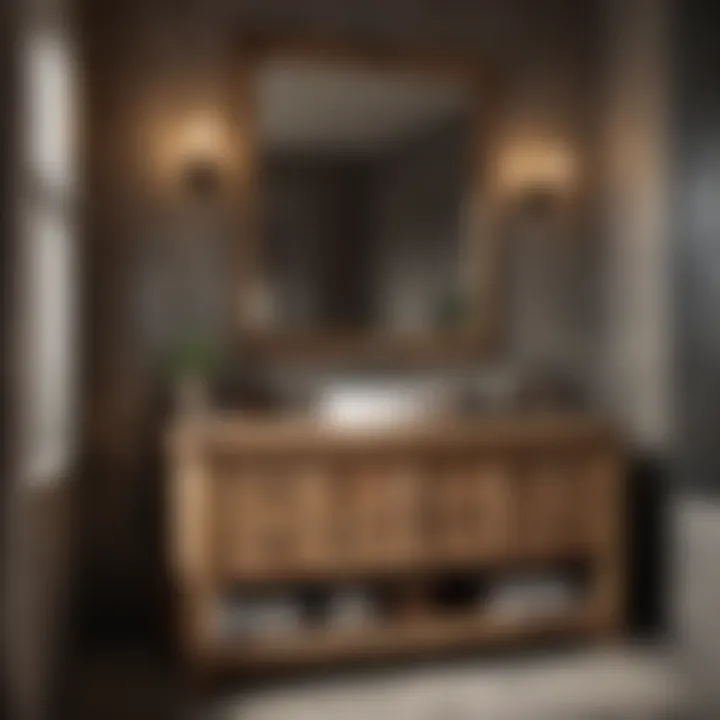
Mirrors and lighting add dual functions: enhancing the ambiance and improving usability. The mirror is often a focal point. Its positioning and size have a direct impact on the perception of space. A well-placed mirror can expand the visual area, making the bathroom appear larger.
On the other hand, durable lighting fixtures should be highlighted for their key characteristics. Proper lighting is vital for clarity during tasks like shaving or applying cosmetics. Integrated LED lights or sconces are popular fixtures due to their energy efficiency and capacity to add stylish undertones. However, balancing aesthetics with illumination remains essential for effectiveness.
Understanding the full spectrum of components enables one o create an informed decision as they explore the various choices for bathroom vanities in Duluth, MN and how they align with specific needs and styles.
"A well-installed vanity can greatly change the dynamics of a bathroom, providing utility as well as a sense of style. Proper selection reduces stress during daily routines."
This detailed comprehension serves as a stepping stone to navigate through current trends and select the perfect vanity that suits the unique needs reflected in Duluth's diverse aesthetic and historical landscapes.
Current Trends in Duluth, MN
Understanding current trends in bathroom vanities is crucial for those considering renovations or upgrades. This section will provide insight into the styles, color schemes, and materials that are gaining popularity in Duluth, MN. Knowledge of these trends may aid homeowners in making informed design decisions that resonate with their personal taste and the regional environment.
Popular Styles
Modern
Modern bathroom vanities are known for their sleek lines and minimalist design. These vanities often feature streamlined shapes and a reduced clutter aesthetic. Choosing a modern style enhances a bathroom's overall look and promotes a sense of space. A key characteristic of modern vanities is the use of functional materials. Highlights include quartz or granite countertops paired with bright, clean cabinetry. The sophistication and low-maintenance appeal are prominent reasons for the popularity of modern styles among Duluth homeowners.
Modern vanities provide a balance of utility and chic style, making them appealing in both small and large bathrooms.
Rustic
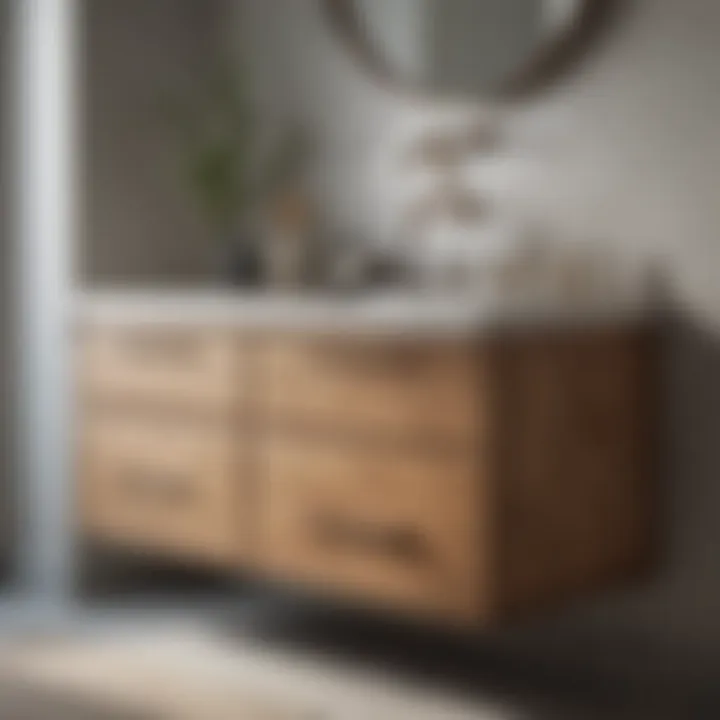
Rustic bathroom vanities hold a charm that reflects natural elements and organic aesthetics. These vanities typically incorporate materials like reclaimed wood or stone, connecting with Duluth's outdoor beauty. A visible grain pattern or distressed finish adds character, contributing to a homey and warm atmosphere. This style is particularly favored by homeowners who seek a cozy and inviting space. However, maintenance can be a consideration due to wood’s susceptibility to moisture and humidity.
Traditional
Traditional bathroom vanities often feature more ornate designs and intricate woodwork. Utilizing solid woods and classic styles, these vanities embody an everlasting elegance. Commonly found in shades of cherry and oak, they also often incorporate decorative hardware, giving them a refined touch. A primary strength of traditional vanities is their timeless appeal, allowing them to seamlessly integrate into various home designs. Nevertheless, this can require more upkeep, as older designs may not always accommodate modern plumbing optimally.
Color Schemes and Finishes
Color choices and finishes play a significant role in defining a bathroom’s ambiance. Each palette brings its unique character to a space, allowing homeowners to create an environment that reflects their personal style.
Neutral Tones
Neutral tones in bathroom vanities offer a calming and sophisticated approach to design. Shades of white, beige, and grey create a versatile backdrop suitable for a variety of other colors. This is especially auseful feature in Duluth, where homes often reflect natural hues. Neutral palettes promote longevity in design trends, preventing the space from feeling dated. These tones also pair well with diverse fixtures, allowing for future style changes without a complete overhall.
Bold Colors
Bold colors are making waves in bathroom designs by promoting individuality. Bright yellows, deep greens, or even navy can turn a vanity into a centerpiece. Whether as an accent piece or prim foliage, they invite a sense of adventure. While they require significant discernment in selection, bold colors energize the space. However, they may risk limiting the appeal during resale unless carefully chosen to maintain compatibility with prevailing styles.
Natural Finishes
Natural finishes focus on highlighting the material's original beauty. Incorporating untreated wood or stone enables the natural color and texture to shine. These finishes often resonate well with sustainability-focused homeowners. This organic approach can strengthen the connection to Duluth’s natural surroundings, but may necessitate more careful maintenance to preserve aesthetics and integrity over time.
Selecting the Right Vanity
Choosing the right bathroom vanity is a critical aspect of enhancing both the function and aesthetic of a bathroom. This decision will influence the overall layout, usage, and ambiance of the space. Selecting the correct vanity means considering size, material, and functionality relative to individual needs and preferences.
Size and Space Considerations
When picking a vanity, it’s essential to assess the available space in the bathroom. Consider both the footprint and the overall dimensions of the room.
- Measure Carefully: Take accurate measurements to ensure that the vanity fits the designated area without crowding the room.
- Functional Traffic Flow: Evaluate whether the chosen vanity allows for easy movement within the space. Restricted areas may influence daily routines.
- Proportions: Larger vanities may seem appealing but ensure they do not overwhelm the existing layout.
This consideration is not just about looks but functionality, making the right choice pivotal.
Material Selection
The materials used in a vanity can impact appearance and performance. Selecting the optimal material involves understanding the unique properties of various options available.
Wood
Wood is a popular choice among homeowners for many reasons. Its sturdiness and aesthetic appeal can provide a warm atmosphere in the bathroom.
- Characteristics: Solid wood typically stands out for its enduring durability.
- Benefits: A wooden vanity serves well in terms of aesthetics, offering numerous styles and customization options.
- Disadvantages: Due to its susceptibility to moisture, it needs proper sealing and care. Unprotected wood in a humid area may warp or rot.
Metal
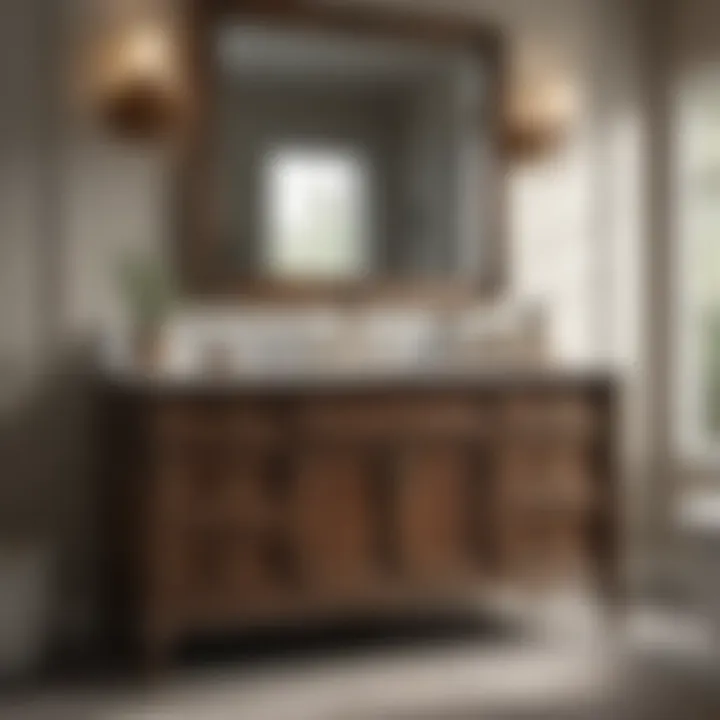
Metal offers a modern take on bathroom vanities. Silver finishes can lend a sleek edge that is appealing. Available in various styles, metal can suit contemporary tastes efficiently.
- Characteristics: Stainless steel is a frequently chosen option due to its resilience against water and humidity.
- Benefits: It is low-maintenance, durable, and often designed with unique structures.
- Disadvantages: Metal can conuct heat, meaning a cold feel on contact, which might deter some homeowners.
Composite Materials
Composite materials are gaining popularity for their versatility and strength. These materials combine different substances to create a durable yet often more affordable option.
- Characteristics: Composite vanities can mimic the appearance of natural wood or marble yet offer improved resistance to water.
- Benefits: They are frequently less expensive than solid hardwood options, providing a budget-friendly alternative without a major compromise on style.
- Disadvantages: Depending on the manufacturer, quality can vary significantly. It’s essential to choose reputable brands for longevity and satisfaction.
Functionality vs Aesthetics
Balancing functionality and aesthetics is vital while choosing a vanity. A stunning piece may capture attention but should not compromise usability. Functional vanities typically include adequate storage, user-friendliness, and fittings suited to your needs. Take into account the following:
- Storage Capacity: Determine your storage needs before settling on a design. Cluttered spaces require well-organized cabinetry.
- Ease of Use: Access to sinks and mirrors should not be obstructed by the vanity design itself.
- Matching Your Style: The vanity must complement the bathroom's overall theme.
Finding the right balance can transform the bathroom, maximizing happiness and use of space.
Local Retailers and Showrooms
Local retailers and showrooms play a critical role in the pursuit of ideal bathroom vanities. They offer various options that suit the unique preferences and styles of Duluth residents. By exploring local stores, customers can physically test various products, ensuring comfort and aesthetic appeal.
Furthermore, buying locally fosters community support. Local retailers are often well-versed in regional designs and materials that can withstand Duluth's climate. Understanding the conditions in which products will be used can greatly enhance their longevity. Visiting such stores provides an opportunity to speak with knowledgeable staff who can assist in choosing the best vanity to meet specific needs.
Notable Stores in Duluth
Specialty Bath Stores
Specialty bath stores in Duluth are unique places that focus specifically on bathroom solutions. They provide access to high-quality vanities that are often not available in generic home improvement centers. The key characteristic of these stores is their tailored selection. Unlike larger home improvement chains, specialty stores curate a focused range of vanities, emphasizing artisanal features or exclusive designs.
This targeted approach is beneficial for homeowners looking for distinctive pieces to match their personal style. A unique feature of specialty bath stores is the ability to find exclusive products representative of current design trends. However, improved options may come at higher price points, which could be a potential disadvantage for budget-conscious shoppers.
Home Improvement Centers
Home improvement centers, such as Home Depot or Lowe's, provide a broader selection of vanities that cater to a variety of budgets and styles. They centralize resources for not just decor, but mechanical and physical renovation products. This is their main strength: convenience. Customers can find everything needed for a bathroom remodel in one location—vanities, fixtures, tiles, and tools.
A unique aspect of these centers is carrying standard models that fit most conventional bathroom layouts. This can be advantageous for those who prefer blends rather than personalized options. On the downside, the scale of choice can be overwhelming, and the selection may lack the originality that specialty stores offer.
Online Options and Comparisons
In today's digital age, online shopping has transformed how individuals explore and purchase bathroom vanities. Websites often feature extensive catalogs that may not match local inventories. Online platforms also allow for easy price comparisons across different retailers. This accessibility enables customers to review designs and features from multiple stores swiftly without geographical limitations.
Importantly, online retailers also showcase customer reviews, aiding potential buyers in making informed decisions. It is essential, however, to consider shipping and return policies where the complexity may deter some shoppers. Balancing convenience and personal preference when selecting between local and online options remains integral for homeowners tackling bathroom renovations.
Installation Process
The installation process is a vital aspect of incorporating a bathroom vanity. A well-executed installation not only enhances the aesthetic appeal of the bathroom but also ensures that the vanity functions optimally. Effective installation can prevent future complications like water damage, misalignment, or insufficient support.
When approaching a new bathroom vanity, one must consider its placement, plumbing connections, and the structural integrity of the surrounding area. Additionally, knowing whether to pursue a DIY approach or enlist professional assistance gives critical insights into the time and cost expectations.
DIY Installation vs Professional Help
Deciding between can be challenging. DIY installation can prove to be cost-effective. Homeowners may feel accomplished after completing a project on their own, and it provides hands-on experience with tools and plumbing elements. However, this approach requires adequate knowledge of plumbing and carpentry, considering some aspects may become overwhelming. Once the vanity is in place, any missteps can lead to costly repairs in the future.
On the other hand, turning to professional installers presents a safer route. Experts possess the knowledge and experience to navigate complex plumbing fixtures and unexpected issues that may arise. They are familiar with Duluth's building codes and climate considerations, ensuring long-lasting installations. The initial investment for hiring professionals may seem steep but can pay off in the long term, avoiding future maintenance.
Whatever route one chooses, it is crucial to conduct thorough research and planning before starting the installation journey.
Common Installation Challenges
The installation journey may come with some challenges, regardless of the chosen method. Being prepared to confront these challenges can lead to a smoother experience. Here are some common obstacles:
- Alignment: Ensuring the vanity is level is essential for both aesthetics and functionality. Misalignment can lead to overflowing sinks or misaligned countertops.
- Dimensions: It's crucial to measure the space accurately, accounting for door swings and adjacent fixtures. A mismatch between the vanity's dimensions and available space can be physically constraining.
- Plumbing issues: Existing plumbing configurations do not always align perfectly when replacing vanities. It's vital to ensure proper connectivity to avoid leaks.
- Weight distribution: It's important to consider odd weight distributions based on countertop materials. Heavier materials like marble may necessitate additional supports.
Attentive planning can mitigate many of these challenges before beginning the installation. Homeowners should prepare themselves and accept that not everything may go as expected. Having a solutions-based mindset can ease stress during this transformative process.
Maintenance and Care Tips
Proper maintenance and care of bathroom vanities are essential for extending their lifespan and keeping them visually appealing. Homeowners in Duluth, MN, face unique challenges due to the regional climate, making it necessary to adopt specific techniques to protect their investments. Understanding the best practices for care can help prevent damage from moisture, temperature fluctuations, and everyday wear. When bathroom vanities are properly maintained, not only does their functionality improve, but they also enhance the aesthetic appeal of the entire space.
Cleaning Recommendations
Regular cleaning is crucial for any bathroom, including the vanities. Here are a few guidelines to follow:
- Use mild, non-abrasive cleaners to prevent damage to surfaces. Popular options might be a mixture of vinegar and water or a dedicated surface cleaner like Method or Seventh Generation.
- For natural stone countertops, it is vital to follow the manufacturer's recommendations. This usually involves using a pH-balanced cleaner.
- Use soft cloths or sponges when cleaning to avoid scratching finishes, especially for wood surfaces.
- Pay attention to the sink area where soap scum and buildup tend to accumulate. Regular cleaning will minimize staining and maintain hygiene, which is vital in any household.
In Duluth, where moisture can lead to increased wear, it is advised to ensure that cleaning is performed regularly, perhaps even weekly. This effort will have direct impacts over time.
Preventative Maintenance
Taking measures to prevent damage to bathroom vanities can save significant time and money. Considerations include:
- Regular inspections: Each month, check for loose hardware, signs of water damage, or mold growth. Early detection of issues will lead to quick fixes, preventing larger repairs from becoming necessary.
- Applying sealants: For countertops made from porous materials, applying a quality sealant every 12 to 18 months helps protect against spills and stains. Choose products like Tiles & More Stone Sealer for best results.
- Managing humidity: Duluth can have humid and damp conditions, making it essential to use exhaust fans or dehumidifiers to manage moisture levels in bathrooms. This precaution helps deter mold and keeps vanity materials intact.
- Avoiding storage of harsh chemicals: Limit exposure to hair sprays, cleaning solutions, and other potentially damaging sources to help retain the decor's structure.
Adhering to these preventative measures can ultimately result in fewer total expenses over the years. Being proactive means more graceful oaerating and longer-lasting enjoyment.
_
Sustainability in Bathroom Vanities
Sustainability has emerged as a critical consideration in various home improvement projects, including bathroom vanities. The importance of using sustainable practices in this area is profound, particularly in localities like Duluth, MN, where weather conditions can impact material performance and durability. Homeowners are increasingly mindful of their environmental footprint. By prioritizing sustainability, they not only enhance their living spaces but also contribute positively to the larger ecological landscape.
Key elements include optimal resource usage and lifecycle assessment of materials.
Eco-Friendly Materials
When considering bathroom vanities, using eco-friendly materials offers notable benefits. These materials are typically sourced from sustainable practices and minimize harm to the environment.
There are several options to explore:
- Bamboo: This is a fast-growing resource that offers strength and resilience. Its lightness is an added advantage, making it more manageable for construction and design.
- Reclaimed Wood: Supporting the idea of reusing materials, reclaimed wood reduces the need for new lumber and presents unique textures and histories. Each piece often carries its own story.
- Low-VOC Finishes: Volatile Organic Compounds (VOCs) are chemicals released during the use of certain products. Using low-VOC paints and finishes helps improve indoor air quality without sacrificing aesthetics.
Minimizing toxins and embracing natural materials can elevate living spaces while protecting health and wellness.
By opting for these options, homeowners can create aesthetically pleasing and more ecologically responsible spaces.
Energy-Efficient Lighting
In addition to material choices, lighting plays an essential role in creating a sustainable bathroom environment. Energy-efficient lighting integrates both functionality and environmental responsibility.
Several styles and technologies are available. For example:
- LED Bulbs: These bulbs have a longer lifespan and consume less energy than traditional incandescent bulbs. Their versatility allows them to fit various design themes.
- Motion Sensors: Implementing motion-activated switches can lead to substantial energy savings by ensuring lights are only on when needed.
- Natural Light Maximization: Where possible, including larger windows or skylights can invite natural light, reducing the reliance on artificial sources, specifically during daylight hours.
Prioritizing such practices not only reduces environmental impact but also lowers utility bills over time, merging aesthetics and function.
When considering the ongoing trends and priorities of bathtub renovations, focusing on sustainability allows homeowners in Duluth to enhance their environment while also contributing positively to the community.
Future Trends in Bathroom Design
The evolution of bathroom design continues to reflect broader trends in technology, sustainability, and consumer preferences. Understanding these future trends is essential, as they influence many aspects of bathroom vanities, from functionality to aesthetics. Staying informed allows homeowners to make choices that enhance their bathroom while adapting to lifestyle changes and environmental responsibilities.
Smart Vanities
Smart vanities represent a pivotal shift in bathroom design. These modern installations integrate technology seamlessly into everyday routines. The key features of smart vanities include:
- Integrated smart mirrors equipped with touch controls
- LED lighting adjustments tied to circadian rhythms
- Bluetooth speakers or charging ports for convenience
- Built-in anti-fog systems that enhance usability
This technology not only elevates user experience but also promotes energy efficiency. Smart vanities often come with sensors that monitor usage, leading to optimized function without unnecessary energy drain.
Notably, Duluth's climate can magnify the benefits of smart features. For instance, mirrors that adapt to temperature and humidity can help prevent mold accumulation, making routine upkeep easier. As homeowners gradually embrace smart technology in kitchens, bathrooms comfortably follow suit, delivering both intelligence and elegance to these intimate spaces.
Integrating Technology
The use of advanced technology in bathroom design allows homeowners to create more tailored environments. Various components, including touchless faucets, heated floors, and advanced shower systems, offer both luxuries and practical benefits.
Several factors to consider include:
- User Preferences: Adjustable settings allow individuals to customize their experience.
- Sustainability: Technology, such as water-saving features or energy-efficient lighting, can reduce overall consumption, benefiting both the planet and utility bills.
- Aesthetic Cohesion: Innovative technology can also match or enhance existing decor styles.
Here are common ways homeowners can incorporate technology in their bathrooms:
- Voice-Activated Controls: Users control aspects like lighting or music with simple voice commands.
- Mobile App Integration: Manage bathroom systems remotely, allowing for preferable conditions before walking into the space.
- Smart Showerheads: These devices monitor water flow rates, alerting users to minimize excessive consumption.
The future in bathroom vanities enhances both function and pleasure—a synthesis of practicality that responds to the complexities of modern living.
As we integrate these future trends in bathroom design, it becomes increasingly clear that thoughtful innovation need not sacrifice aesthetics. Instead, it should focus on advancing function while maintaining elegance.