Expert Guide: Transform Your Bathroom Into a Stunning Shower Space

Materials:
- Waterproofing membrane (quantity: based on area measurements)
- Floor drainage system (size: according to bathroom dimensions)
- Wall-mount showerhead (chosen based on personal preference)
- Wall tiles (quantity: depending on wall square footage)
- Grout and tile adhesive (calculated based on tile area)
DIY Steps:
- Prepare the Bathroom: Start by removing existing fixtures and ensuring the space is clear and ready for renovation.
- Install Waterproofing Membrane: Measure and cut the membrane to fit the shower area, ensuring complete coverage to prevent leaks.
- Establish Floor Drainage: Position and install the floor drainage system, ensuring proper slope for efficient water drainage.
- Mount Showerhead: Securely attach the wall-mount showerhead, following manufacturer instructions for best results.
- Tile the Walls: Apply tile adhesive and carefully affix wall tiles, ensuring even spacing and alignment throughout.
- Grout the Tiles: Fill the gaps between tiles with grout, wiping off excess for a clean and polished finish.
Technical Aspects:
- Tools: Utility knife, trowel, tile cutter, grout float, spirit level
- Timing: Allow adhesive to dry overnight before grouting, ensure proper curing times for all materials
- Critical Techniques: Maintain consistent tile spacing, double-check levelness, apply even pressure during grouting
DIY Project Process:
- Installation Method: Follow the specified sequence for each step, ensuring a systematic approach for a successful conversion.
- Troubleshooting Tips: If tiles are misaligned, gently adjust before adhesive sets; if drainage slope is off, reposition accordingly.
Congratulations, you’ve now transformed your bathroom into a stunning shower space! Enjoy your new oasis of relaxation.
Introduction
When considering a bathroom to shower conversion, one embarks on a significant transformation that can greatly enhance the functionality and aesthetics of a home. This article serves as a detailed guide to navigating the complexities of this conversion process, from initial planning stages to the final touches of the project. By delving into the nuances of this conversion, individuals can gain insights into the crucial factors that contribute to a successful and stylish bathroom to shower transformation.
Understanding the Concept
Advantages of Bathroom to Shower Conversion
The advantages of opting for a bathroom to shower conversion are manifold. One of the key benefits is the efficient utilization of space. Showers generally take up less room compared to traditional bathtubs, making them an ideal choice for smaller bathrooms or for homeowners looking to maximize space efficiency. Additionally, showers are considered more accessible and convenient, especially for individuals with mobility concerns. By replacing a bathtub with a shower, you can create a more user-friendly environment that caters to diverse needs. Moreover, showers are known for their water-saving capabilities, promoting eco-friendly practices within the household. In this article, the emphasis is on highlighting how a bathroom to shower conversion can not only streamline the bathroom layout but also enhance the overall user experience.
Importance of Proper Planning
Setting Clear Objectives
Setting clear objectives is the cornerstone of a successful bathroom to shower conversion project. By clearly defining your goals and expectations from the outset, you can streamline the entire process and ensure that the end result aligns with your vision. Whether aiming to enhance functionality, improve accessibility, or simply revamp the aesthetic appeal, setting clear objectives provides a roadmap for the project. This article intricately explores why setting clear objectives is essential in achieving a successful conversion while also shedding light on how it contributes to the overall project's cohesiveness.
Considering Budget Constraints
Budget constraints play a pivotal role in determining the scope and scale of a bathroom to shower conversion. It is imperative to analyze your financial limitations and allocate resources judiciously to avoid overspending. By considering budget constraints early on, homeowners can make informed decisions regarding material choices, design elements, and construction costs. While budget constraints may pose challenges, they also encourage creative solutions and resourcefulness, ultimately leading to a more cost-effective conversion. Within the context of this article, the significance of factoring in budget constraints is underscored as a practical consideration that influences decision-making throughout the conversion process.
Key Considerations
Determining Space Availability
Determining space availability is a crucial step in the bathroom to shower conversion process. Assessing the available space helps in determining the feasibility of installing a shower, considering factors such as clearance requirements, functional layout, and design possibilities. Whether working with a compact bathroom or a spacious area, understanding the spatial constraints informs the overall design and layout decisions. This article delves into the nuances of space availability considerations, emphasizing the impact it has on shaping the final outcome of the conversion project.
Assessing Plumbing and Electrical Needs
Assessing plumbing and electrical needs is a fundamental aspect of a bathroom to shower conversion. Ensuring that the existing plumbing and electrical systems are compatible with the new shower installation is essential for a seamless transition. From evaluating water supply connections to addressing electrical outlets near wet areas, this meticulous assessment minimizes potential challenges and ensures the safety and functionality of the new shower setup. By exploring the intricacies of plumbing and electrical considerations, this article sheds light on the technical aspects that underpin a successful conversion project.
Design Phase
The Design Phase is a crucial aspect of the ultimate bathroom to shower conversion process. It sets the foundation for the overall aesthetic, functionality, and practicality of the newly transformed space. In this article, the Design Phase encompasses a meticulous approach to optimizing layout and selecting materials that will ensure a successful and satisfying conversion.
Optimizing Layout
In the journey towards an exquisite bathroom to shower transformation, optimizing the layout plays a pivotal role in achieving a seamless and efficient design. Maximizing space efficiency is a key consideration within this realm, focusing on the strategic utilization of every inch of the available area. By carefully planning the layout to enhance functionality without compromising comfort, homeowners can create a shower space that feels expansive and organized.
Maximizing Space Efficiency involves smart storage solutions, integrating sleek fixtures, and creating a harmonious flow within the bathroom. The distinctive characteristic of this approach lies in its ability to transform even compact bathrooms into spacious retreats. Its advantage in this article stems from addressing common space constraints and demonstrating how strategic design choices can maximize perceived space.
Another essential element in the Design Phase is the Incorporation of Accessibility Features. These features ensure that the newly converted shower space remains inclusive and convenient for all users, regardless of mobility or ability restrictions. Highlighting the importance of accessibility not only enhances usability but also adds a layer of safety and comfort to the design.
Embracing Incorporating Accessibility Features in this article showcases a commitment to creating a functional and accommodating shower space for users of all ages and capabilities. The unique feature of this aspect is its seamless integration of accessibility elements without compromising the overall aesthetic appeal or design vision. By considering accessibility from the initial planning stages, homeowners can future-proof their shower space and enhance its usability.
Selecting Materials
Selecting the right materials is a critical component of the Design Phase when converting a bathroom into a shower area. Choosing durable and water-resistant options is paramount to ensuring longevity and practicality in the new space. By prioritizing materials that can withstand the moist environment of a shower, homeowners can enjoy a low-maintenance and aesthetically pleasing outcome.
When it comes to Choosing Durable and Water-Resistant Options, the focus is on materials that resist mold, corrosion, and moisture damage. This selection contributes significantly to the longevity of the shower space and minimizes the need for frequent repairs or replacements. The key characteristic of these materials lies in their ability to maintain their quality and appearance even in high-moisture environments, making them a prudent choice for this article.
Exploring Aesthetic Possibilities adds a creative dimension to the material selection process, allowing homeowners to infuse their unique style into the shower design. By considering different textures, colors, and finishes, individuals can tailor the look and feel of the shower space to align with their preferences. This exploration opens up a realm of design possibilities, from sleek modern finishes to rustic charm.
The unique feature of Exploring Aesthetic Possibilities is its transformative effect on the overall ambiance of the shower space. By delving into creative material choices, homeowners can elevate the aesthetics of their bathroom to shower conversion, creating a personalized and visually appealing retreat. While aesthetics play a significant role, it is essential to balance visual appeal with the practicality and durability of the selected materials, ensuring a harmonious blend of style and functionality.
Construction Process
In the transformation journey of converting a bathroom into a shower space, the Construction Process stands as a pivotal phase that ensures the successful realization of the project. This section delves into the intricate details of executing the construction phase with precision and excellence.
The Construction Process encompasses a series of essential tasks that involve both demolishing existing structures and installing new elements to create the desired shower space. This step requires meticulous planning and skilled execution to guarantee a seamless transition from a traditional bathroom to a modern and functional shower area. From the demolition stage to the final touches, every aspect of the Construction Process contributes significantly to the overall outcome of the project.
One of the key considerations during the Construction Process is carefully assessing the existing bathroom layout and making necessary modifications to accommodate the new shower features. Proper planning and execution are crucial to ensure that the construction phase progresses smoothly and achieves the desired results. Additionally, attention to detail and adherence to high-quality standards are paramount in delivering a shower conversion that is both visually appealing and functional.
Demolition and Preparation
Removing Existing Fixtures
The first step in the Demolition and Preparation stage involves removing existing fixtures such as the bathtub, sink, toilet, and other unnecessary elements from the bathroom space. This process is essential to create room for the new shower features and optimize the layout for better functionality. Removing existing fixtures is a critical aspect of the Construction Process as it paves the way for a fresh start and allows for a more efficient use of space.
The removal of old fixtures not only clears the way for the installation of modern shower amenities but also helps in identifying any underlying issues such as plumbing problems or structural damage. By taking out outdated elements, homeowners can revamp their bathroom space and create a contemporary shower area that meets their specific requirements. The decision to remove existing fixtures is driven by the desire to upgrade the bathroom and enhance its overall aesthetics and utility.
Structural Assessment
In the context of a bathroom to shower conversion project, conducting a thorough structural assessment is paramount to ensure the safety and longevity of the new shower installation. Structural assessment involves evaluating the integrity of the existing framework, walls, and flooring to determine their suitability for the upcoming construction activities. This step is crucial in identifying any underlying structural weaknesses or defects that may need to be addressed before proceeding with the shower installation.
A comprehensive structural assessment helps in identifying potential challenges that could impact the overall quality and durability of the newly constructed shower space. By assessing the structural elements of the bathroom, homeowners can make informed decisions regarding necessary repairs or reinforcements to guarantee a sturdy and stable shower enclosure. Investing time and resources in a detailed structural assessment is instrumental in creating a reliable and long-lasting shower area that meets safety standards and homeowner expectations.
Completion and Finishing Touches
In the realm of bathroom to shower conversion, the Completion and Finishing Touches phase holds significant importance as it puts the final seal of elegance and functionality on the project. This section is where the meticulous attention to details shines, ensuring that every element of the new shower space is not only visually appealing but also fully operational. From inspecting workmanship to ensuring functionality, this phase ensures that the conversion project reaches its pinnacle of success.
Quality Assurance
Inspecting Workmanship
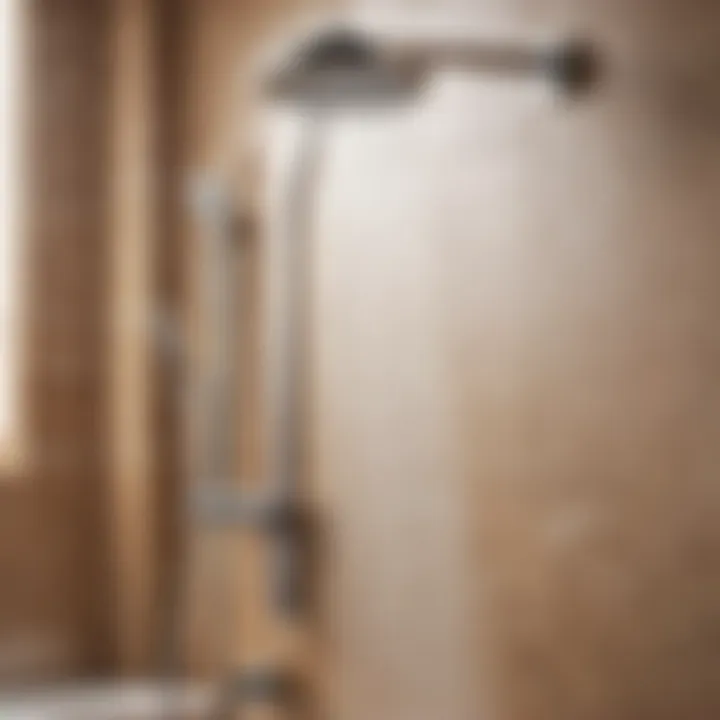
Inspecting Workmanship is a critical aspect of the Completion and Finishing Touches stage. It involves a detailed examination of the construction quality and the precision with which the shower features have been installed. By scrutinizing the craftsmanship, any potential flaws or defects can be identified and rectified, guaranteeing a high-quality end result. The key characteristic of Inspecting Workmanship lies in its ability to uphold industry standards and ensure that the shower conversion meets the homeowner's expectations seamlessly. This meticulous process not only enhances the overall aesthetics of the shower space but also contributes to its long-term durability and functionality. Inspecting Workmanship is a popular choice for this article as it underscores the commitment to excellence in every aspect of the conversion process.
Ensuring Functionality
Ensuring Functionality is another vital component of the Completion and Finishing Touches phase. This aspect focuses on more than just the visual appeal of the new shower space; it delves into guaranteeing that all plumbing and electrical systems operate flawlessly. By verifying the functional aspects of the shower features, such as water pressure, drainage, and lighting, this step ensures that the converted bathroom not only looks impressive but also functions efficiently. The distinctive feature of Ensuring Functionality is its dedication to making the shower space not just beautiful but also practical and user-friendly. While it adds an extra layer of assurance to the project, ensuring that every component works as intended, it may entail minor adjustments to optimize performance. Overall, Ensuring Functionality plays a crucial role in fine-tuning the shower conversion, catering to both aesthetic and practical considerations.
Personalization and Detailing
Adding Decorative Elements
Adding Decorative Elements is a key aspect of personalizing the shower space. From selecting stylish fixtures to incorporating artistic touches, this element elevates the visual appeal of the bathroom conversion. The emphasis lies in choosing decorative elements that complement the overall theme, adding a touch of luxury or style to the shower area. By carefully integrating decorative accents like mosaic tiles, elegant faucets, or ornate mirrors, homeowners can create a personalized and inviting shower space that reflects their taste and lifestyle. The unique feature of Adding Decorative Elements is its ability to transform a basic shower area into a sophisticated oasis, enhancing the overall ambiance of the bathroom. While this customization adds charm and character to the space, it may require a keen eye for design and coordination to achieve a cohesive look.
Customizing Features
Customizing Features allows homeowners to tailor the shower space to their specific needs and preferences. Whether it involves adding niche shelving for storage, installing a rainfall showerhead for a spa-like experience, or incorporating smart technology for convenience, customizing features enables a personalized shower experience. The key characteristic of Customizing Features is its focus on creating a bespoke shower space that aligns with the homeowner's lifestyle and requirements. By integrating unique elements like seating options, adjustable lighting, or custom cabinetry, this customization enhances the functionality and comfort of the shower area. While offering an array of benefits in terms of usability and comfort, customizing features may involve additional costs or specialized installation requirements. Overall, customization adds a distinctive touch to the shower conversion, making it truly tailored to the homeowner's preferences and usage patterns.
Final Thoughts
In the challenging journey of converting a bathroom into a shower space, the final phase of completing the project marks a crucial stage that should not be overlooked. The Final Thoughts section encapsulates the essence of the entire transformation process and underscores the importance of attention to detail and quality assurance. It serves as the concluding chapter of the project, emphasizing the significance of meticulous finishing touches and personalization to achieve a successful and aesthetically pleasing outcome.
Maintenance Tips
Cleaning Recommendations
Delving into the realm of Cleaning Recommendations in the context of a bathroom to shower conversion, it becomes evident that maintaining a pristine shower space is paramount to its longevity and functionality. The specific aspect of Cleaning Recommendations focuses on the choice of cleaning products and methods that not only ensure cleanliness but also preserve the quality of materials used in the renovation. The key characteristic of utilizing gentle yet effective cleaning solutions resonates throughout this article as it aligns with the goal of sustaining the new shower space's appeal and durability. Furthermore, the unique feature of eco-friendly cleaning alternatives presents environmentally conscious individuals with a suitable option that harmonizes with the overarching theme of modernity and sustainability in this conversion process.
Regular Inspection Practices
Transitioning to the facet of Regular Inspection Practices, this aspect plays a fundamental role in the longevity and functionality of the revamped shower space. Regularly inspecting the plumbing, fixtures, and structural integrity of the shower guarantees early detection of potential issues, thus mitigating the risk of costly repairs or damages in the future. The key characteristic of proactive maintenance highlighted by Review Inspection Practices emphasizes a preventative approach that safeguards the investment made in the bathroom to shower conversion. Additionally, the unique feature of personalized inspection checklists tailored to the specific design and requirements of the shower space enhances the overall effectiveness of maintenance efforts, ensuring that no crucial element goes unnoticed.
Enhancing Overall Home Value
Impact on Property Resale Potential
Discussing the impact on Property Resale Potential within the context of a bathroom to shower conversion sheds light on the financial returns and market appeal associated with such a renovation. The specific aspect of analyzing how the conversion influences the property's resale value underscores the importance of strategic home improvement projects in increasing market competitiveness. The key characteristic of boosting resale potential by modernizing and optimizing essential spaces like the bathroom resonates throughout this article as a valuable investment in the property's overall worth. Moreover, the unique feature of leveraging upgraded amenities and trendy design elements in the shower space enhances the property's attractiveness to potential buyers, ultimately translating into a higher resale value that reflects the effort and thought put into the conversion.
Aesthetic Appeal
Exploring the element of Aesthetic Appeal in the realm of bathroom to shower conversion, it becomes evident that visual appeal plays a pivotal role in enhancing the overall ambiance and desirability of the revamped space. The specific aspect of focusing on aesthetics not only elevates the shower's visual allure but also contributes to the overall satisfaction and enjoyment of the renovated area. The key characteristic of balancing aesthetics with functionality highlighted by Aesthetic Appeal reflects a harmonious blending of beauty and practicality that resonates with discerning homeowners seeking both style and substance in their living spaces. Furthermore, the unique feature of customizable design elements and decorative accents allows for personal expression and creativity, ensuring a unique and tailored shower space that stands out for its aesthetic charm and individuality.