
Comprehensive Guide to 68 Inch Double Sink Bathroom Vanity Tops


Materials:
When embarking on the project of installing a 68 inch double sink bathroom vanity top, having the right materials is essential for a successful result. Below is a list of materials needed for this undertaking.
- Vanity Top: A pre-cut 68 inch double sink vanity top made from the material of your choice (e.g., granite, quartz, marble).
- Sinks: Two under-mount or drop-in sinks.
- Faucets: Two matching faucets that fit your sink type.
- Sink Strainer: Sized for your particular sink type.
- Silicone Sealant: For waterproofing the seams between the sink and the vanity top.
- Plumber's Putty: To create a seal around the sink edges.
- Plywood: For additional support under the vanity top if needed.
- Screws: For securing the sinks to the vanity and attaching any additional mounting brackets.
- Levelling Compound: If the floor is uneven, this will help level the vanity.
- Miscellaneous Tools:
- Measurements: 68 inches wide, 22 inches deep (standard).
- Dimensions: Standard sink opening generally around 16-20 inches in diameter.
- Connections: Check for compatibility with supply lines.
- Quantity: 1 small container should suffice.
- Dimensions: 3/4 inch thickness, cut to the size of the vanity.
- Tape Measure.
- Drill with appropriate bits.
- Screwdriver.
- Level.
- Caulking Gun.
With this material checklist in hand, you can efficiently proceed to the next phase of the project.
DIY Steps: Detailed Instructions
Now that the materials are gathered, it’s time to break down the installation process into clear, concise steps. Follow the detailed instructions below:
- Preparation:
- Measure and Mark:
- Cut Sink Openings:
- Install the Sinks:
- Place the Vanity Top:
- Seal the Edges:
- Attach Faucets:
- Final Checks:
- Ensure the area is clean and ready for installation. Remove any old vanity or sink that might be present.
- Shut off the water supply to the current sink.
- Use the tape measure to confirm that the new vanity top will fit the vanity base.
- Mark the placement for the sinks and the faucet on the new vanity top.
- If your vanity top isn’t pre-cut, carefully cut the sink openings according to the manufacturer’s specifications. Use a jigsaw or a similar tool for precision.
- Apply plumber's putty around the edge of the sink openings.
- Insert the sinks and press them into place. Ensure they are level before securing them with screws.
- Lift the vanity top and place it onto the vanity base. Ensure it sits evenly and check for level.
- Once the vanity top is in place, apply silicone sealant around the sink openings and where the vanity top meets the wall.
- Install the faucets according to the manufacturer instructions. Connect them to the water supply lines before turning the water back on.
- Turn the water back on. Check for leaks around the sinks and faucets. Make adjustments as needed.
After completing these systematic steps, you should find yourself one step closer to enjoying your new double sink vanity.
Technical Aspects
Understanding the technical details of the installation will enhance both the process and the outcome. To take your project further, consider these elements:
- Tools Needed:
- Timing:
- Critical Techniques:
- Drill (with appropriate bits).
- Screwdriver (preferably a power screwdriver to save time).
- Level (to ensure even placement).
- Caulking Gun (for sealant application).
- The entire installation process may take between 4-6 hours, depending on your experience level and if any additional prep is required.
- Always confirm that all measurements are accurate before cutting.
- Use a level after placing each component to ensure proper installation.
DIY Project Process: Sequential Steps
Following a logical sequence when installing your vanity will ensure fewer mistakes. Stick to these steps to maintain order and efficiency:
- Preparation of the area.
- Measurement confirmations.
- Sink cutting if necessary.
- Sink installation.
- Vanity top positioning.
- Faucet and plumbing connections.
- Sealing and cleaning.


Troubleshooting Tips
While installing a double sink vanity, common issues may arise:
- If your sink doesn’t fit: Double-check the measurements before cutting. Adjust if necessary.
- If leaks occur: Ensure that all connections are tight. Reapply plumber's putty where necessary.
- If the vanity is uneven: Adjust the height with leveling feet or filler strips to balance the structure.
Ensuring that every step is taken carefully will yield a satisfying result in your bathroom transformation.
Prolusion to Double Sink Bathroom Vanities
Double sink bathroom vanities have become a significant element in modern bathroom design. Their popularity stems from the blend of functionality and aesthetics they provide. These vanities are not just a place for washing hands or brushing teeth; they serve a variety of essential functions that enhance daily routines while complementing the overall design of the bathroom.
Overview of Bathroom Vanity Functions
The primary function of a bathroom vanity is to offer storage and surface area. They often house the sink(s), making them a focal point in the room. Beyond serving as a mere sink stand, double sink vanities allow multiple users to utilize the bathroom efficiently. This is particularly beneficial in households with several members, providing convenience during busy mornings. Furthermore, they can feature cabinets or drawers to conceal toiletries and cleaning supplies, ensuring a tidy environment.
Moreover, these vanities can play a critical role in maintaining the aesthetic appeal of the bathroom. By choosing a design that reflects personal tastes, they can help in creating a serene or stylish ambiance.
Defining the Inch Double Sink Specification
The standard dimension of 68 inches for double sink vanities is significant for various reasons. This measurement typically accommodates the needs of average-sized bathrooms. It creates a balance between space and utility, fitting well in medium to large bathrooms without overwhelming the area.
A 68 inch vanity usually includes two sinks, allowing two individuals to use it at the same time. This is ideal for couples or families, as it reduces wait times and improves the flow of everyday activities. The width ensures enough counter space for toiletries, decorative items, and personal effects, contributing to a well-organized bathroom.
"Choosing the right size for a double sink vanity can change the functionality of your bathroom significantly."
Advantages of Double Sink Vanities
In today’s fast-paced world, having a double sink vanity is more than just a luxury; it has become a necessity for many households. The significance of double sinks in a bathroom extends beyond mere aesthetics, influencing daily routines and interactions. By exploring the advantages of double sink vanities, homeowners can make informed decisions about the functionality and style of their bathrooms.
Increased Functional Space
One of the primary advantages of 68 inch double sink vanities is the increased functional space they offer. A double sink setup allows multiple users to utilize the bathroom simultaneously without conflict. This is particularly useful in busy households where time is of the essence during morning routines.
Having two sinks means that family members can brush their teeth, wash their faces, or engage in other personal care routines side by side. This efficiency helps streamline the daily ritual, reducing wait times and frustrations associated with single-sink options. It is essential to consider how this functional space can impact the overall flow and usability of the bathroom.
Enhanced Bathroom Convenience
The convenience provided by a double sink vanity cannot be overstated. When two sinks are available, tasks such as handwashing become simpler and quicker, especially during peak usage times like mornings and evenings. This convenience is not just about sharing space; it also plays a role in maintaining a peaceful household.
In addition, double sink vanities make it easier to incorporate organizational features such as extra storage under the sinks. These features are ideal for stowing away toiletries and cleaning supplies, allowing the bathroom to stay tidy and well-organized. Households can benefit immensely from this convenience, enabling smoother daily operations.
Aesthetic Appeal in Design
Aesthetic appeal is another compelling factor in choosing a double sink vanity. Designs of 68 inch double sink vanities vary widely, offering homeowners a range of styles and finishes to suit their tastes. From modern, minimalist designs to timeless traditional styles, double sink vanities can be a statement piece in the bathroom.
The visual impact of a double sink setup can elevate the overall look of the space, creating a luxurious environment. Furthermore, when paired with the right materials like granite or quartz, they exude sophistication and elegance. Homeowners should consider their design aspirations as they explore various options, ensuring that their choice complements the rest of their home structure.
"A double sink vanity can transform not just functionality, but also the ambiance of your bathroom, making it a key element in your renovation plans."
Materials for Vanity Tops
When it comes to selecting the right vanity top for your 68 inch double sink bathroom, the materials used are pivotal. Each material brings its own attributes, advantages, and characteristics. Understanding these will help in making an informed choice that fits your requirements and preferences.
Granite: Durability and Sophistication
Granite tops are renowned for their durability and natural beauty. As a natural stone, granite can withstand the rigors of daily use without scratching or chipping easily. It adds a sophisticated look to the bathroom, elevating the overall design. Maintenance requires sealing to prevent stains but is otherwise quite straightforward. The unique patterns in each slab make every installation one-of-a-kind, appealing to those who appreciate individuality in design.
Quartz: Engineered Performance
Quartz surfaces are engineered stone products, created from 90% to 95% crushed natural stone. This makes quartz non-porous and resistant to stains, bacteria, and moisture. Its engineered nature means better control over patterns and colors compared to natural stones. Homeowners often prefer quartz for its low maintenance and consistent appearance. It’s also versatile enough to fit various design aesthetics, enhancing its appeal in contemporary bathrooms.
Marble: A Luxury Choice
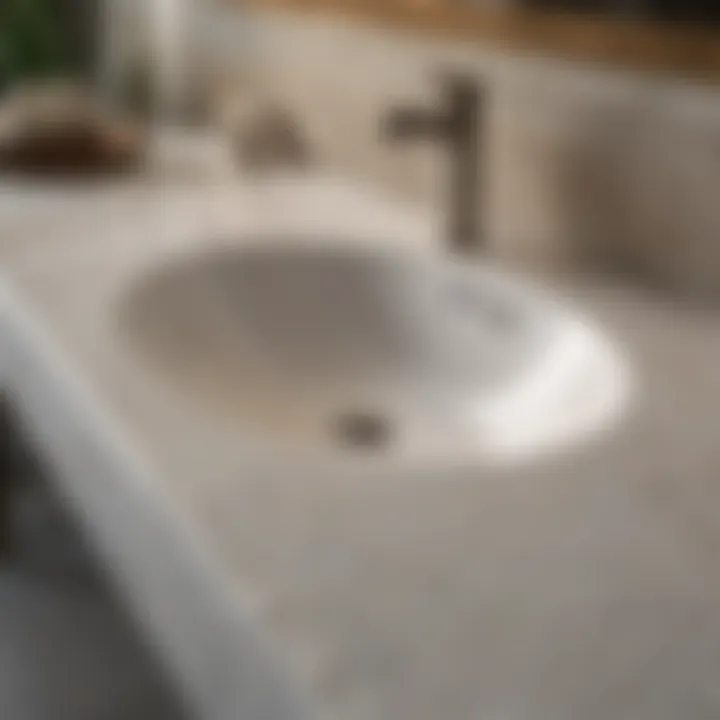
Marble is often associated with luxury and elegance. Its unique veining adds a classic touch to any bathroom. However, it is more porous than other materials, which means it is more susceptible to stains and requires regular upkeep. Its timeless appeal makes it a common choice for those looking to create a high-end atmosphere. Careful consideration is necessary when selecting marble, particularly regarding its maintenance needs versus aesthetic desires.
Laminate: Budget-Friendly Options
For budget-conscious homeowners, laminate tops present a cost-effective alternative. Available in a wide range of colors and patterns, laminate can mimic the look of natural stone without the associated costs. It is lightweight, easy to install, and simple to clean, making it a practical choice. However, it may not be as durable as stones like granite or quartz, and it’s important to be aware that it is less heat resistant.
Solid Surface: Seamless Design Potential
Solid surface materials like Corian offer a seamless appearance ideal for modern bathrooms. They can be molded into various shapes, allowing for unique designs that enhance aesthetics. Solid surfaces are non-porous and easy to maintain. Scratches can be sanded out, which adds to their longevity. Although they may not possess the same natural beauty as stones, they provide a high level of functionality, making them a popular choice in contemporary setups.
Styles of Inch Double Sink Bathroom Vanity Tops
The style of 68 inch double sink bathroom vanity tops plays a significant role in defining the overall aesthetic and function of a bathroom. A well-chosen style can fluctuate between reflecting personal taste and seamlessly blending with existing decor. Style influences appearance, practicality, and even the emotional tone of the space. Understanding various styles helps homeowners make informed decisions that enhance their bathroom functionality and visual appeal.
Contemporary Designs
Contemporary designs are characterized by clean lines, minimalistic elements, and a focus on simplicity. This style often features sleek materials like quartz or polished granite that contribute to a modern look. These vanity tops typically emphasize functionality, with spacious surfaces for everyday items, making them ideal for busy bathrooms. Furthermore, contemporary designs may incorporate integrated sinks for a seamless layout. Homeowners often appreciate that this style complements various color palettes and fixtures, making it adaptable for future renovations or alterations.
Traditional Styles
Traditional styles bring warmth and a sense of timelessness to the bathroom. They often showcase materials such as natural stone or classic finishes. Vanity tops in this style might include intricate edge profiles and warm colors that evoke opulence and comfort. This aesthetic often pairs well with detailed cabinetry and vintage fixtures. For homeowners who favor a classic look, traditional styles enhance a bathroom's charm and coherence, providing a familiar and inviting atmosphere.
Rustic Aesthetics
Rustic aesthetics focus on natural beauty and ruggedness. Vanity tops made of reclaimed wood or textured stone highlight organic materials that contribute to a unique, crafted appearance. These tops often reflect the imperfections and variations in material that enhance their appeal. Rustic styles create a warm, homey environment, often suited for country or farmhouse themed bathrooms. When selecting a rustic vanity top, consider harmony with other elements, such as open shelving or exposed beams, to achieve a cohesive look.
Sleek Modern Finishes
Sleek modern finishes signify refinement and elegance. They often employ materials with glossy surfaces, mirror-like qualities, or innovative composites. Vanities with such finishes reflect light, enhancing the perception of space and cleanliness. They are usually low-maintenance and durable, appealing to homeowners who prioritize a polished, upscale look without excessive upkeep. Sleek modern finishes commonly pair with bold color choices or striking hardware, making them a compelling focal point in contemporary bathroom design.
Considering your own style preferences is crucial when selecting a 68 inch double sink bathroom vanity top. Aligning your choice with your overall vision can transform a functional space into one that truly reflects your personality and taste.
Considerations for Selecting a Vanity Top
When selecting a vanity top for a 68 inch double sink bathroom vanity, various factors come into play. These considerations not only impact the aesthetic appeal but also the functionality and durability of the chosen surface. Understanding each factor ensures a well-informed decision that aligns with both personal and practical requirements.
Assessing Personal Style Preferences
Personal style plays a crucial role in the selection of a vanity top. Each homeowner has a unique vision for their bathroom space. This vision can be influenced by overall design trends or distinct preferences. For example, a homeowner may favor a classic, traditional look with warm colors and intricate patterns, while another may opt for a minimalist or modern aesthetic with clean lines and bold materials.
To identify personal style, consider what appeals most when shopping for home decor. Visit design blogs or platforms like Pinterest to gather inspiration. Look for textures, colors, and finishes that resonate. Create a mood board to visualize how various elements work together. It's also important to remember that functionality should not take a backseat to appearance. The vanity top must accommodate everyday use without compromising style.
Evaluating Bathroom Space
Before selecting a vanity top, it is vital to evaluate the available space in the bathroom. Measure the vanity area carefully, considering factors such as length, width, and height. Ensure that the chosen vanity top not only fits the physical space but also complements the overall layout of the bathroom.
Consider how the vanity top interacts with other fixtures in the bathroom. The color and material of the countertop should harmonize with floors, cabinets, and walls. For example, if your bathroom has a neutral palette, a bold countertop may add a touch of character without overwhelming the space. Additionally, search for features such as overhang, which can affect movement and usability.
Budgeting for Quality and Features
Budget is a significant element in purchasing decisions. Before diving into options, set a clear budget that reflects your financial capabilities. Vanity tops vary widely in cost, influenced by material, design, and brand.
Incorporate essential features into your budget. By understanding the qualities of materials like granite, quartz, or laminate, you can prioritize what matters most. For instance, if durability and ease of maintenance are key factors, investing in a high-quality quartz top may be wise, despite a higher initial cost. Alternatively, if you're working within a tight budget, laminate surfaces might offer practical solutions without compromising on style.
"Setting a realistic budget helps streamline the selection process and avoids potential overspending."
Installation Considerations
Installing a 68 inch double sink bathroom vanity top requires careful planning and consideration. This stage is as vital as choosing the right materials and styles for your sink. Proper installation can affect the functionality and longevity of your vanity top. A poorly installed countertop may lead to leaks or misalignment, which could affect the overall appearance and usability of your bathroom. Therefore, understanding installation considerations is essential for homeowners.
Requirements for Preparation and Space


Prior to installation, adequate preparation is crucial. Here are some points to consider:
- Space Measurement: Measure the area where the vanity will go. Ensure you have the correct dimensions of the vanity itself, along with enough room for the sinks and faucets.
- Leveling the Base: Before placing the vanity top, the vanity base must be even. Use a level to check the surface and make any necessary adjustments. An uneven base can result in cracked countertops.
- Plumbing Considerations: Have the plumbing assessed before installing the new top. You may need to relocate plumbing fixtures if they do not align with the new sink placements.
- Access to Electrical Outlets: If you plan on using technology features such as lighted mirrors or touch faucets, verify that electrical outlets are accessible in the vicinity.
- Ventilation: Consider ventilation requirements, especially if you are using materials that may emit fumes during the installation process, such as adhesives or sealants.
Taking these preparatory steps can facilitate a smoother installation experience.
Choosing Professional Installation vs. DIY
When it comes to installing a 68 inch double sink bathroom vanity top, homeowners face the decision to either opt for professional installation or prefer a do-it-yourself (DIY) approach. Both options come with their benefits and considerations:
- Professional Installation:
- DIY Approach:
- Expertise: Professionals have the skills and experience to ensure the vanity top is installed correctly. They minimize the risk of errors that could arise from inexperience.
- Tools and Equipment: They possess the necessary tools, which might not be available easily to an average homeowner. This leads to a more efficient installation process.
- Warranty: Many professional services come with a warranty. This covers potential issues post-installation, providing homeowners peace of mind.
- Cost-Effectiveness: Opting to install the vanity top yourself can save money on labor costs. This might be attractive if you're working with a tight budget.
- Flexibility: DIY means you can work on your own schedule. You can set aside time at your convenience without relying on a contractor's availability.
- Learning Opportunity: If you are interested in home improvement, a DIY project can serve as a valuable learning experience.
Ultimately, the decision between professional installation and DIY should stem from your level of comfort with home improvement tasks, the complexity of the installation, and your budget. Each choice has its own set of implications that may impact the final result.
Maintenance and Care for Vanity Tops
The importance of maintenance and care for vanity tops cannot be overstated. Proper upkeep ensures that the aesthetics of your bathroom remain intact while extending the life of the countertop material. Each type of vanity top, from granite to laminate, presents its own set of care guidelines. Understanding these specifics helps avoid common pitfalls associated with wear and tear, making it essential for homeowners.
Additionally, regular maintenance can prevent costly repairs or replacements in the long run. Establishing a cleaning routine not only enhances the visual appeal of the vanity top but also promotes hygiene within this frequently used space.
Ultimately, diligent care bolsters functionality while preserving the value of your bathroom design.
Cleaning Protocols for Various Materials
Cleaning protocols vary significantly based on the material of your vanity top. Here’s a concise guide to help you navigate the best practices:
- Granite: Use a soft cloth or sponge with mild soap and warm water. Avoid abrasive cleaners and acidic substances.
- Quartz: Similar to granite, a mixture of soap and water works best. Quartz is non-porous, so it resists staining, making it easier to clean.
- Marble: This requires more caution. Use pH-neutral cleaners and always dry the surface to prevent water spots. Acidic cleaners can etch the surface.
- Laminate: Wipe with a damp cloth and mild detergent. Do not use scouring pads as they can scratch the surface.
- Solid Surface: Use soapy water for daily cleaning, and a soft cloth can help remove scratches with a gentle touch.
Following these guidelines will help maintain the beauty and integrity of your vanity top across various materials.
Preventive Care and Damage Avoidance
Preventive care is crucial in maintaining the quality of your vanity tops. Here are steps to take to minimize potential damage:
- Coasters and Mats: Always use coasters under glasses and mats under hot items to prevent rings and burns.
- Immediate Spill Management: Clean spills as soon as they occur to avoid stains, particularly with porous materials like granite and marble.
- Sealing: For porous materials, regular sealing helps maintain their resistance against stains. Check with the manufacturer for recommended sealing frequency.
- Avoid Heavy Impacts: While countertops are durable, they can chip. Avoid dropping heavy objects on the surface.
- Regular Inspections: Periodically check for chips, cracks, or signs of wear. Early detection often leads to easier repairs.
By integrating these preventive measures, homeowners can prolong the life of their vanity tops, ensuring they remain an attractive feature in their bathrooms.
"Regular maintenance not only preserves the aesthetic but also enhances the longevity of vanity tops."
With an understanding of cleaning protocols and preventive care, homeowners can foster a space that reflects both style and practicality.
Trends in Bathroom Vanity Design
As bathroom design continues to evolve, trends in vanity designs reflect broader lifestyle changes and advancements in technology and sustainability. Understanding these trends is crucial for homeowners and designers alike. It helps align choices with aesthetic preferences and practical needs, ensuring that the bathroom remains a functional and inviting space.
Sustainable Materials Usage
Sustainability has become a key focus in home renovations. Sustainable materials in bathroom vanity tops not only contribute to an eco-friendly approach but also enhance the overall appeal of the bathroom. Materials like reclaimed wood, recycled glass, and low-VOC (volatile organic compounds) finishes are gaining popularity. They offer unique aesthetics while reducing environmental impact.
The advantages of incorporating sustainable materials include:
- Durability: Many sustainable options, such as quartz and recycled composites, offer long-lasting performance.
- Health benefits: Low-VOC materials improve indoor air quality, reducing health risks associated with traditional materials.
- Cost-effectiveness: While initial costs may vary, the long-term benefits of durability and reduced maintenance can lead to savings over time.
Choosing to use sustainable materials can significantly enhance the value of a home. Buyers increasingly prioritize green features, making it a sound investment. Furthermore, using these materials showcases a commitment to environmental responsibility, which can resonate well in a community concern about conservation.
Smart Technology Integration
Integrating smart technology in bathroom vanities transforms how homeowners interact with their spaces. Smart vanities offer features like integrated LED lighting, touchless faucets, and smart mirrors that can display information such as weather or news updates. These innovations cater to modern lifestyles, combining convenience with style.
Some notable benefits of smart technology integration include:
- Convenience: Smart features simplify daily routines, allowing for hands-free operation and easier accessibility.
- Energy efficiency: Many smart devices are designed to minimize energy consumption, contributing to lower utility bills.
- Enhanced functionality: Advanced features, but simple interfaces offer improved user experience, making routine tasks more pleasant and manageable.
Overall, integrating smart technology into bathroom vanity designs is becoming essential. It reflects a shift toward modernizing spaces to meet the demands of a fast-paced lifestyle while maintaining functionality and elegance.